
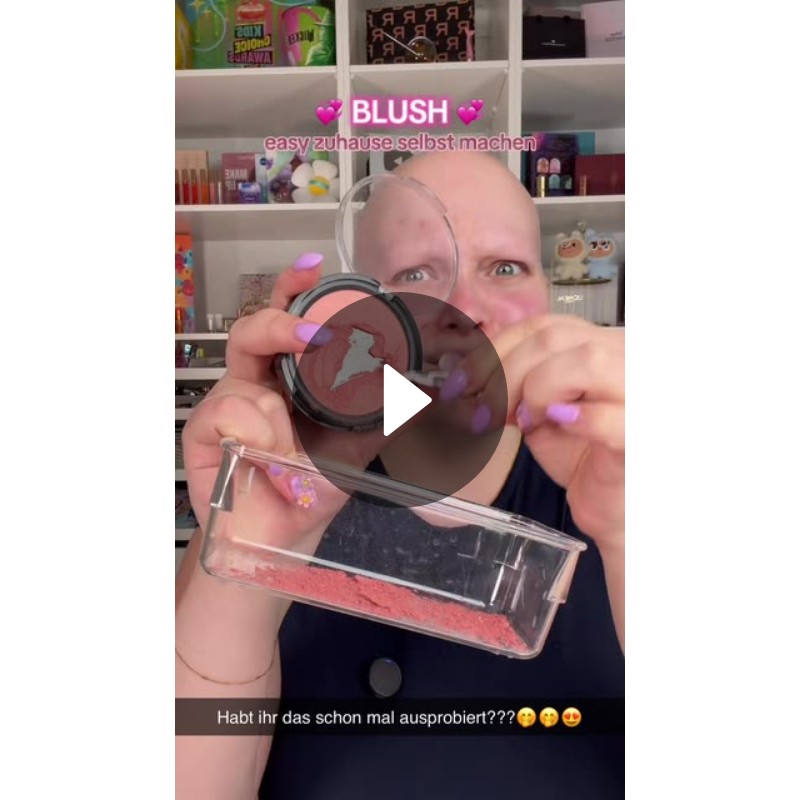
The intersection of sustainability and beauty has sparked a new wave of “beauty hacking,” where consumers repurpose existing cosmetic products to create custom shades and textures. One such trend has gained traction through social media, specifically via a tutorial by makeup artist Paula (@paula.plsi) on Snapchat, which demonstrates how to create custom blush at home using old eyeshadow.
While the appeal of reducing waste and achieving a bespoke color is high, the practice of mixing cosmetic formulations outside of a controlled laboratory environment raises crucial questions about chemistry and skin safety. For many, this is a creative way to breathe life into unused palettes; for dermatologists and cosmetic chemists, We see a reminder of the precision required in product formulation.
As the “DIY beauty” movement grows, understanding the difference between a professional formulation and a home-made mixture is essential for maintaining skin health and avoiding adverse reactions.
The Mechanics of the Eyeshadow-to-Blush Hack
The process demonstrated by Paula involves taking eyeshadows—typically in pink, peach, or terracotta tones—and transforming them into a cheek product. In most iterations of this hack, the powder is either applied directly to the cheeks with a brush or mixed with a carrier agent, such as a facial moisturizer, a drop of oil, or a clear cosmetic gel, to create a cream or liquid blush.
This approach taps into the desire for “customized beauty,” allowing users to match their blush exactly to their eyeshadow for a monochromatic look, a popular trend in contemporary makeup artistry. By repurposing “old” products, users also align themselves with a more sustainable consumption model, attempting to minimize the amount of makeup that ends up in landfills.
Cosmetic Chemistry: Why Formulation Matters
From a technical perspective, eyeshadow and blush may seem similar because they both rely on pigments and binders. However, the skin on the eyelids is significantly thinner and more sensitive than the skin on the cheeks. The ingredients used in eyeshadows are formulated specifically for that area.

Cosmetic formulations are carefully balanced to ensure stability, preservative efficacy, and skin compatibility. When a user mixes a powder eyeshadow with a third-party moisturizer or oil, they are altering the chemical equilibrium of the product. This can lead to several issues:
- Preservative Dilution: Preservatives are calculated based on the specific volume of a product. Adding external ingredients can dilute these preservatives, potentially allowing bacteria or mold to grow within the mixture.
- Ingredient Incompatibility: Certain ingredients in a face cream may react with the pigments or binders in an eyeshadow, leading to “pilling” (where the product clumps on the skin) or uneven color distribution.
- Pigment Migration: Some eyeshadow pigments are designed to adhere to the eyelid and may not blend as seamlessly into the pores of the cheek, potentially highlighting skin texture rather than smoothing it.
Safety and Dermatological Considerations
The primary concern with creating custom blush at home is the risk of contact dermatitis or allergic reactions. Because the cheeks are exposed to more environmental stressors than the eyelids, applying a non-formulated mixture can sometimes trigger sensitivity.

the “old” eyeshadow mentioned in the tutorial introduces the risk of using expired products. Cosmetics have a limited shelf life, often indicated by a “period after opening” (PAO) symbol (a small open jar icon). Using expired pigments can lead to irritation or infections, as the preservatives break down over time. For guidance on managing skin reactions and product safety, the American Academy of Dermatology provides extensive resources on identifying irritants and maintaining a healthy skin barrier.
Experts recommend that anyone attempting a DIY makeup hack perform a “patch test” first. This involves applying a small amount of the custom mixture to the inside of the wrist or behind the ear and waiting 24 to 48 hours to ensure no redness, itching, or swelling occurs before applying it to the face.
Sustainability vs. Safety in Modern Beauty
The drive to repurpose makeup is a positive step toward reducing the environmental impact of the beauty industry. However, there is a fine line between sustainable creativity and compromising skin health. The beauty industry is currently seeing a shift toward “multi-use” products—sticks or creams specifically formulated to be safe for both the eyes, lips, and cheeks—which offer the same monochromatic convenience without the risks associated with home-mixing.

For those looking to minimize waste, the safest route remains using products for their intended purpose or investing in certified multi-use cosmetics that have undergone rigorous stability and safety testing.
Key Takeaways for DIY Beauty
- Check Expiration Dates: Never repurpose makeup that has passed its PAO (period after opening) date.
- Patch Test Always: Test any home-mixed product on a small area of skin before full application.
- Avoid Contamination: Use clean, sanitized tools when mixing products to prevent introducing bacteria.
- Prioritize Multi-Use Products: Look for professionally formulated “cheek and lip” or “all-over” tints for a safer alternative to DIY hacks.
As the beauty community continues to experiment with new ways to customize their looks, the balance between innovation and safety remains paramount. While the creative appeal of a custom blush is undeniable, the science of dermatology suggests that caution is the best accessory.
We invite our readers to share their experiences with beauty hacks in the comments below. Have you tried repurposing your makeup, or do you prefer sticking to professional formulations?