
The sight of hundreds of people camping on concrete pavements, some sleeping in makeshift tents and others waiting for hours in the sweltering heat, is usually reserved for the launch of the latest smartphone or a limited-edition sneaker drop. Recently, however, this level of consumer intensity has shifted to the world of horology, specifically surrounding the retail outlets of the Swiss watchmaker Swatch in major Middle Eastern hubs like Riyadh and Dubai.
What began as a strategic business collaboration has evolved into a social phenomenon. In Riyadh, video evidence has captured scenes of extreme congestion, with crowds spilling into the streets as enthusiasts vied for a chance to purchase highly coveted timepieces before they officially hit the shelves. This surge in demand represents more than just a passion for watches; it is a masterclass in the “democratization of luxury” and the powerful psychology of scarcity.
As a financial journalist who has spent nearly two decades analyzing global market trends, I find this intersection of high-fashion prestige and mass-market accessibility fascinating. The chaos witnessed in Saudi Arabia and the United Arab Emirates is not merely a retail glitch, but a calculated result of a brand strategy that bridges the gap between the unattainable world of “haute horlogerie” and the accessible consumer market.
For the global observer, these queues signal a shift in how luxury is consumed in the GCC (Gulf Cooperation Council) region, where the desire for status symbols is meeting a new, younger generation of collectors who value “hype” and “drops” as much as they value craftsmanship.
The Riyadh Rush: When Retail Becomes a Campout
The scenes unfolding in Riyadh have become a focal point for discussions on modern consumer behavior. Reports and viral footage show a level of desperation rarely seen for a brand traditionally associated with affordable, colorful plastic watches. The congestion reached a point where individuals were seen lying on the ground outside Swatch branches, treating the retail storefront like a high-stakes event.
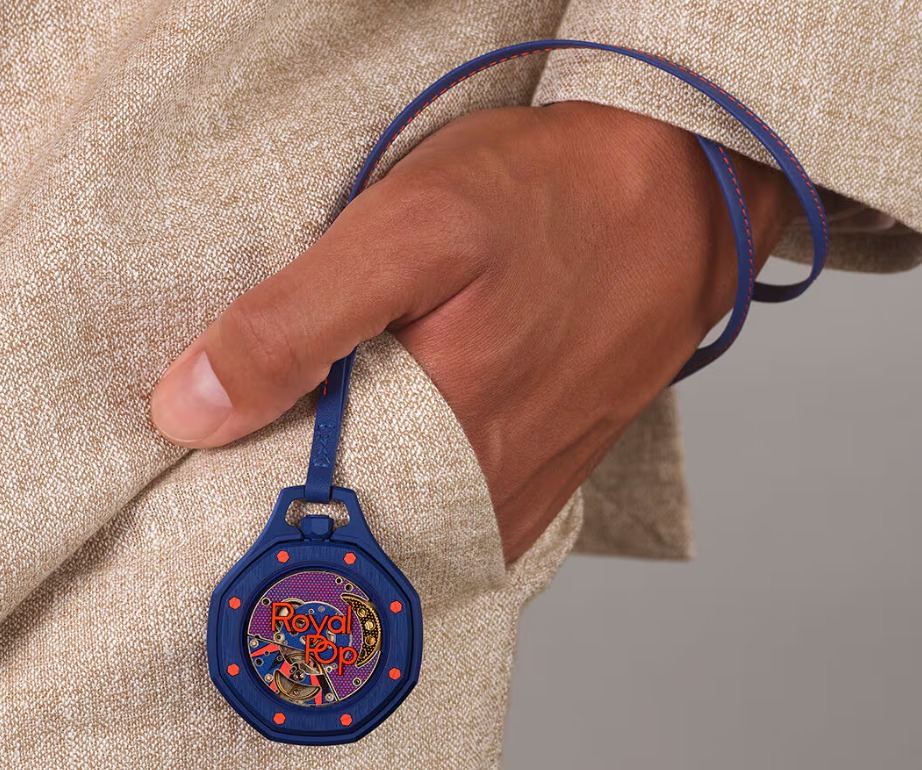
This behavior is largely driven by the release of collaboration pieces—most notably those involving Swatch and luxury giants like Audemars Piguet. By blending the prestige of a legendary Swiss luxury house with the accessibility of Swatch, the company created a product that feels like an entry point into an exclusive club. For many in the queue, the goal is not just ownership, but the social capital that comes with securing a limited-edition piece.
The financial incentive also plays a critical role. In the world of “hype-beast” collecting, the retail price is often just a starting point. The secondary market for these collaborations frequently sees prices skyrocket immediately after a sell-out, turning a retail purchase into a short-term investment. This speculative trading fuels the urgency, transforming a simple shopping trip into a competitive race.
Chaos in Dubai: The Breaking Point of Demand
The volatility of this demand was further highlighted in Dubai, where the scale of the crowds reportedly led to the cancellation of sales for certain Swatch x Audemars Piguet models. When the volume of people exceeds the capacity of the retail space to maintain safety and order, the “drop” model can backfire, leading to operational shutdowns.
In the UAE, specific models have been reported at price points ranging between 1,530 and 1,640 AED. While Here’s significantly higher than a standard Swatch, it remains a fraction of the cost of a genuine Audemars Piguet Royal Oak, which can cost tens of thousands of dollars and often requires a long-standing relationship with a boutique to even be allowed to purchase one.

This pricing strategy is a brilliant piece of economic positioning. By pricing the product in a “premium yet attainable” bracket, Swatch captures a demographic that is too wealthy for basic watches but cannot yet access the upper echelons of luxury. This “middle-luxury” segment is currently one of the fastest-growing areas of retail in the Middle East.
- Democratized Luxury: Collaborations allow mass-market consumers to own a piece of luxury heritage.
- Speculative Value: The secondary market drives “camping” behavior as buyers seek to flip watches for profit.
- Operational Strain: Extreme demand in cities like Dubai has led to sales cancellations due to overcrowding.
- Regional Trend: The GCC region shows a high propensity for “drop culture,” blending traditional luxury with modern streetwear trends.
The Economics of the ‘Drop’: Why It Works
From an economic perspective, Swatch is utilizing a strategy known as “artificial scarcity.” By limiting the quantity of specific models and releasing them in waves, they create a perceived value that far exceeds the material cost of the watch. This is a departure from the traditional Swatch model of the 1980s, which focused on high-volume, low-cost accessibility.
The collaboration with Audemars Piguet is particularly potent because it leverages “brand haloing.” The prestige of the AP name rubs off on the Swatch product, while Swatch provides AP with a way to engage with a younger, more diverse audience without diluting its own ultra-exclusive image. It is a symbiotic relationship: AP gains cultural relevance among Gen Z and Millennials and Swatch gains a level of prestige it could never achieve on its own.
the psychological impact of the queue itself serves as free marketing. When a passerby in Riyadh sees a crowd of people sleeping on the ground for a watch, the perceived value of that watch increases instantly. The queue is not just a result of demand; it is a tool to generate more demand.
The Impact on the Luxury Ecosystem
This trend raises captivating questions about the future of the luxury watch market. Traditionally, luxury was defined by exclusivity and the difficulty of acquisition. Now, we are seeing the rise of “accessible exclusivity.”
For the traditional luxury houses, this is a risky game. If a brand becomes too accessible, it risks losing the allure that makes it luxury in the first place. However, by using a partner like Swatch as a “buffer,” high-end brands can experiment with mass-market appeal without risking their primary brand equity. The “MoonSwatch” phenomenon proves that there is a massive global appetite for luxury-inspired products that don’t require a six-figure bank account.
What This Means for the Future of Retail
The events in Riyadh and Dubai are a harbinger of a broader shift in global retail. We are moving away from the “always-available” model toward an “event-based” retail economy. In this model, the act of buying is transformed into a social event—a challenge to be overcome.
For retailers in the Middle East, the lesson is clear: the experience of the purchase is now as important as the product itself. However, as seen in Dubai, there is a fine line between “exciting hype” and “dangerous overcrowding.” The next evolution of this trend will likely involve a hybrid of physical and digital “drops” to manage crowds while maintaining the sense of urgency.
As we look forward, the industry will be watching for the next collaboration. Whether Swatch partners with another prestige house or pivots to a different luxury sector, the blueprint for success has been established: combine an unattainable legacy with an attainable price point, limit the supply, and let the crowds do the marketing.
The next confirmed checkpoint for the industry will be the upcoming quarterly earnings reports from the Swatch Group, which will likely reveal the exact financial impact of these high-profile collaborations on their bottom line.
What are your thoughts on the “hype” economy? Is the thrill of the chase part of the value, or is this simply consumerism taken to an extreme? Let us know in the comments below.