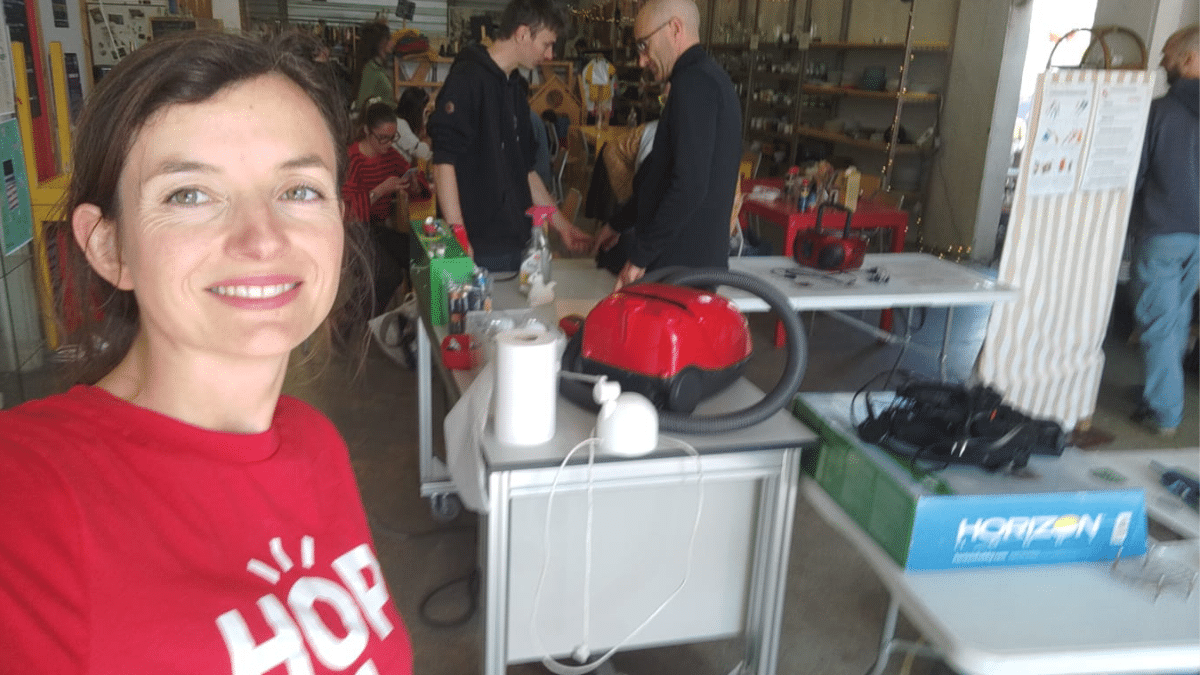
Organizers can register their repair events for the 2026 Journées Nationales de la Réparation (JNR) through the official registration portal managed by the HOP (Héritage et Objectifs Plastiques) network. The initiative provides a centralized platform to promote community-led repair workshops, aiming to reduce waste and extend the lifespan of consumer goods across France.
The Journées Nationales de la Réparation serves as a national mobilization event that coordinates hundreds of local workshops. According to the HOP network, the program is designed to democratize access to repair skills and encourage a transition toward a circular economy. By listing an event, organizers gain visibility through the national map, which allows citizens to locate the nearest repair point based on their geographic area.
For the 2026 cycle, the HOP team provides a suite of practical tools and organizational guides to assist new and returning hosts. These resources cover logistics, safety protocols for handling electronics, and communication strategies to attract local participants. The registration process requires organizers to specify the types of objects they can repair—such as small appliances, textiles, or electronics—to ensure the public map remains accurate and useful.
Registration Requirements and the HOP Toolkit
To list an event for the 2026 edition, organizers must complete a registration form detailing the event’s location, dates, and the specific expertise of the volunteers present. The HOP network emphasizes that the event is open to a wide range of actors, including established “Repair Cafés,” municipal associations, and independent collectives. According to official JNR guidance, the primary goal is to create a network of solidarity where knowledge is shared freely between the “repairer” and the owner of the object.
The HOP team provides “fiches pratiques” (practical sheets) to streamline the organization process. These documents offer guidance on securing a venue, managing crowd flow, and ensuring that the event adheres to safety standards. Because repair events often involve electrical tools and soldering equipment, the toolkit includes checklists for fire safety and electrical compliance to protect both volunteers and the general public.
Registration for the 2026 events typically opens several months in advance of the actual dates to allow for national promotion. Organizers are encouraged to use the provided digital assets—such as logos and social media templates—to maintain a consistent visual identity across the country, which helps the JNR brand remain recognizable to the public.
Impact on Circular Economy and Waste Reduction
The JNR initiative aligns with broader European and French legislative efforts to combat “planned obsolescence.” By facilitating the repair of household items, the program directly reduces the volume of waste sent to landfills. According to data from the HOP network, these events not only divert physical waste but also shift consumer behavior by proving that many “broken” items are easily fixable with basic tools and guidance.
The social impact of these events is a core component of the HOP strategy. The workshops act as hubs for social cohesion, bringing together different generations—often pairing retired technicians with younger, eco-conscious citizens. This intergenerational transfer of skills is a documented outcome of the Repair Café movement, which the JNR scales to a national level.
From a policy perspective, the 2026 events occur in a climate of increasing regulation regarding the “Right to Repair.” The French government has previously introduced the “Repairability Index” (Indice de réparabilité) to inform consumers about how easy a product is to fix before they purchase it. The JNR events provide a practical application of this index, as volunteers often encounter the specific design hurdles that the index aims to highlight.
Practical Steps for Event Organizers
Organizers seeking to join the 2026 program should follow a specific sequence of actions to ensure their event is successfully indexed on the national map:
- Identify a Venue: Secure a space with adequate lighting, ventilation, and access to power outlets.
- Recruit Volunteers: Gather a team of “repairers” with diverse skills (e.g., sewing, electronics, woodworking).
- Submit Registration: Fill out the official HOP registration form with precise event timing and location.
- Consult the Toolkit: Review the “fiches pratiques” to ensure all safety and logistical bases are covered.
- Promote Locally: Use the JNR communication kit to alert the local community via social media and physical posters.
The HOP network manages the verification of these events to prevent ghost listings and ensure that the public finds active, staffed workshops. Once an event is validated, it appears on the interactive map, which serves as the primary discovery tool for thousands of French citizens during the national repair days.
For those organizing for the first time, the HOP team recommends starting with a limited scope of repairable items. This prevents the workshop from becoming overwhelmed and ensures that volunteers can provide quality attention to each single object brought in by the public.
The next official update regarding the specific 2026 calendar dates and the opening of the registration portal will be announced via the HOP network’s official communication channels. Organizers are encouraged to monitor these updates to secure their spot on the national map.
Do you have experience organizing a repair café or a community workshop? Share your tips or ask questions in the comments below.
Worth a look