Maintaining muscle mass is often dismissed as a concern for athletes or bodybuilders, but for the general population, it is a fundamental pillar of long-term health and independence. As we age, the body undergoes a progressive loss of muscle mass, strength and function known as sarcopenia. While frequently attributed to “old age,” this condition is not an inevitable destiny, but rather a biological process that can be managed, slowed, and in many cases, reversed through targeted intervention.
The impact of sarcopenia extends far beyond aesthetics. A decline in muscular integrity increases the risk of falls, fractures, and a significant loss of autonomy. Simple daily tasks—such as rising from a chair, climbing stairs, or opening a jar—can become daunting challenges when the body lacks the necessary strength to execute them. This loss of function is particularly acute in those with chronic conditions, such as diabetes or cardiovascular diseases, which can accelerate the degradation of muscle tissue.
Understanding the keys to stop muscle mass loss requires a holistic approach that integrates strength training, specific nutritional targets, and a commitment to daily physical activity. By focusing on the synergy between “the bricks” (protein) and “the trigger” (exercise), individuals can maintain their physical capabilities well into their later decades.
The process of muscle loss typically begins much earlier than most expect. Research indicates that natural aging can lead to a loss of between 3% and 8% of muscle mass per decade starting as early as age 30 according to nutritional experts. However, this decline is often accelerated by sedentary lifestyles and protein deficiencies, making early prevention critical for lifelong mobility.
The Nutritional Foundation: Protein and Amino Acids
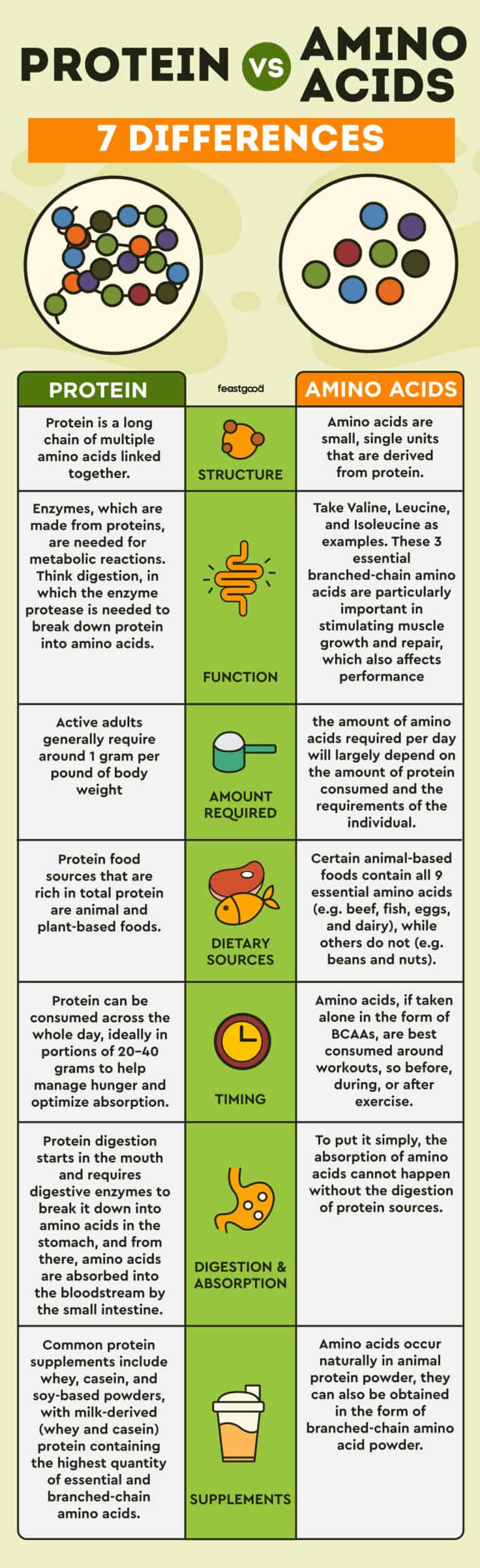
Protein serves as the primary building block for muscle tissue. Without adequate intake, the body cannot synthesize new muscle fibers or repair existing ones, leading to a state of muscle wasting. The required amount of protein varies significantly based on age, weight, and activity levels. For general adults, a baseline of 0.8 g/kg of body weight is often cited, but for those over 50 or individuals who are physically active, the recommendation increases to between 1.2 and 1.5 g/kg to maintain muscle function.
For those actively engaged in strength training, these requirements can climb even higher. Some evidence suggests a range of 1.6 to 2.2 g of protein per kg of body weight per day to maximize muscle synthesis for those exercising. The timing of intake is as important as the total amount; dividing protein across three to four meals throughout the day is recommended to optimize the body’s ability to build muscle.
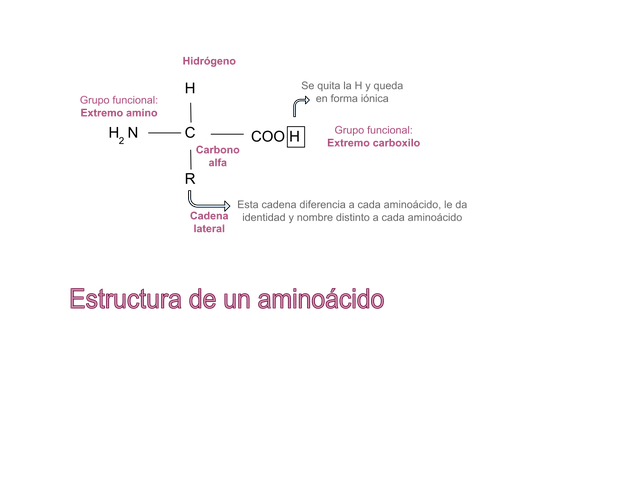
Priority should be given to high biological value proteins, which provide a complete profile of essential amino acids. Recommended sources include:
- Lean meats and fish
- Eggs and low-fat dairy
- Whey or plant-based protein supplements for those unable to meet daily goals through whole foods
Beyond total protein, specific amino acids play a regulatory role. Leucine, found in high concentrations in whey, eggs, and meat, is particularly critical because it activates the mTOR pathway, which is the primary biological trigger for muscle growth as a catalyst for synthesis. While branched-chain amino acid (BCAA) supplements exist, experts emphasize that total daily protein intake remains more impactful than isolated BCAA supplementation.
The Role of Strength Training and Daily Activity
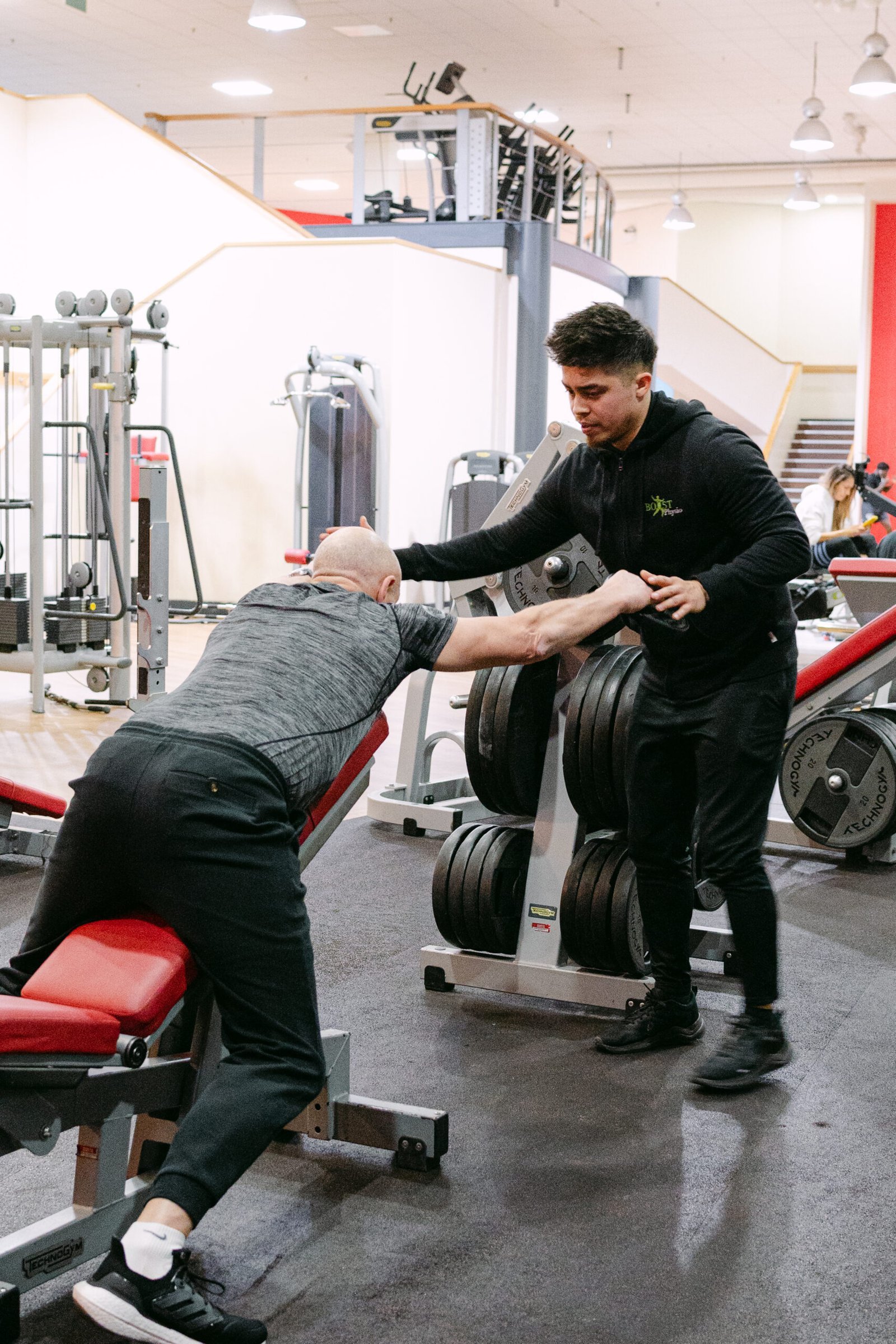
Nutrition provides the raw materials, but strength training provides the stimulus. Without a physical demand placed on the muscles, the body has little incentive to maintain or build new tissue. Resistance exercise is the most effective way to counteract the effects of sarcopenia, as it forces the muscle fibers to adapt and strengthen.
A comprehensive approach to activity should include both structured strength training and general daily movement. Sedentary behavior is one of the primary accelerators of muscle weakness. Integrating “active habits” into the day—such as taking the stairs or walking—helps maintain baseline function, but these must be paired with weight-bearing exercises to actually build mass.
The goal of a strength program for preventing muscle loss is consistency and progressive overload. This means gradually increasing the resistance or the number of repetitions to ensure the muscle continues to be challenged. Even simple movements, when performed with resistance, can prevent the loss of autonomy and reduce the risk of falls and fractures associated with muscle atrophy.
Essential Micronutrients: Vitamin D and Bone Health
While proteins and exercise are the primary drivers of muscle maintenance, micronutrients provide the necessary support system. Vitamin D is particularly vital, as it influences muscle contraction, overall strength, and balance. A deficiency in Vitamin D is closely linked to increased muscle weakness and a higher frequency of falls, especially in older populations contributing to instability.
Because Vitamin D supports both muscular and skeletal health, it works in tandem with calcium to prevent the fractures that often accompany sarcopenia. Ensuring adequate levels through sunlight exposure or supplementation, under medical guidance, is a key component of a comprehensive prevention strategy.
Key Takeaways for Preventing Muscle Loss
- Protein Intake: Aim for 1.2 to 1.5 g/kg for those over 50, or up to 2.2 g/kg for active individuals.
- Distribution: Spread protein intake across 3-4 meals to maximize muscle protein synthesis.
- Strength Training: Incorporate regular resistance exercises to stimulate muscle growth.
- Amino Acid Focus: Prioritize leucine-rich foods like eggs and lean meats to trigger growth pathways.
- Micronutrient Support: Maintain adequate Vitamin D levels to support balance and contraction.
the fight against sarcopenia is a lifelong commitment to movement and nutrition. By addressing these factors early—well before the age of 50—individuals can significantly preserve their quality of life and maintain their independence. For those already experiencing loss, a combination of high-protein dieting and a structured strength program remains the most effective path toward recovery.
Consulting with a nutritionist or a healthcare provider is recommended to design a plan tailored to specific age, weight, and medical history, ensuring that protein increases are safe for the individual’s renal function and overall health.
As medical research continues to evolve, updates on nutritional guidelines for the aging population are typically released through national health agencies and geriatric associations.
Do you have a routine for maintaining muscle mass, or are you looking to start one? Share your experiences or questions in the comments below.
Worth a look