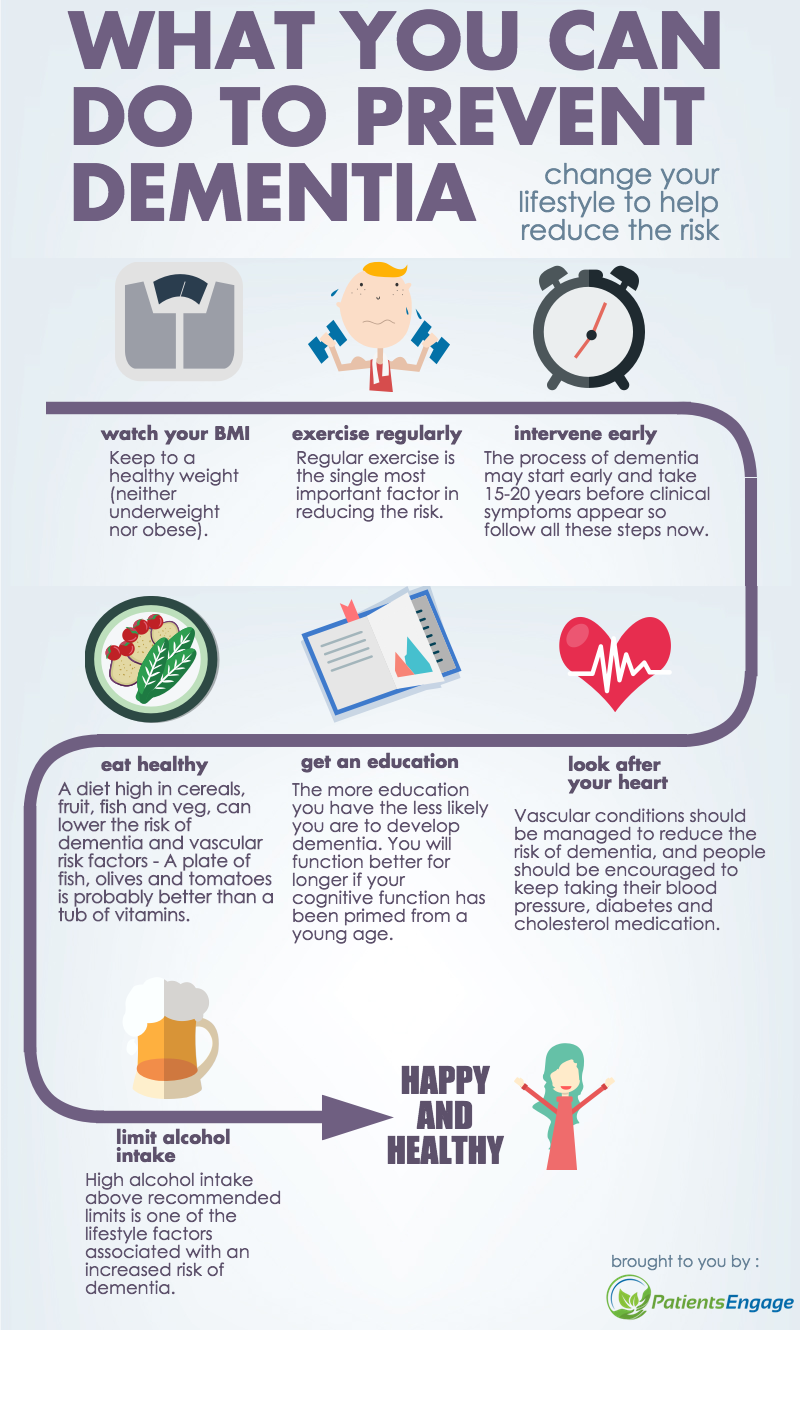
When it comes to protecting brain health and reducing the risk of dementia, evidence increasingly shows that lifestyle choices may offer stronger protection than newly developed medications. This insight emerges from growing research emphasizing prevention through daily habits rather than relying solely on pharmaceutical interventions. As populations age globally, understanding what truly works to maintain cognitive function has become a pressing public health priority.
The German Alzheimer Society highlights that even as new drug treatments receive significant attention, non-pharmacological approaches consistently demonstrate measurable benefits in large-scale studies. These include regular physical activity, balanced nutrition, cognitive engagement, social interaction, and management of cardiovascular risk factors such as hypertension, and diabetes. Unlike medications that may slow progression after symptoms appear, lifestyle modifications target the underlying processes years before clinical onset.
Recent analysis of dementia trends in Germany reveals a notable pattern: despite an aging population, age-adjusted dementia incidence has remained stable or even declined slightly in certain regions over the past decade. Researchers attribute this trend partly to improved management of vascular risk factors and increased awareness of preventive strategies. This suggests that population-level health improvements can translate into meaningful reductions in dementia burden.
Experts emphasize that no single habit guarantees protection, but the combination of multiple healthy behaviors creates a synergistic effect. For instance, combining aerobic exercise with a Mediterranean-style diet and sustained mental stimulation has been associated with better cognitive outcomes than any single factor alone. These findings reinforce the importance of accessible, low-cost interventions that individuals can integrate into daily life.
Emerging technologies are beginning to support these efforts, with wearable devices and digital tools helping individuals monitor activity levels, sleep quality, and heart health — all factors linked to brain resilience. While such innovations show promise for early detection and personalized feedback, experts caution that technology should complement, not replace, foundational lifestyle practices.
Public health initiatives across Europe are increasingly focusing on midlife prevention, recognizing that changes made decades before symptom onset offer the greatest potential impact. Programs promoting physical activity in communities, improving access to nutritious foods, and reducing social isolation are being evaluated for their long-term effects on cognitive aging.
As research continues, the message remains clear: while medical advances are valuable, the most powerful tools against dementia may already be within reach — through consistent, everyday choices that support brain health across the lifespan.