
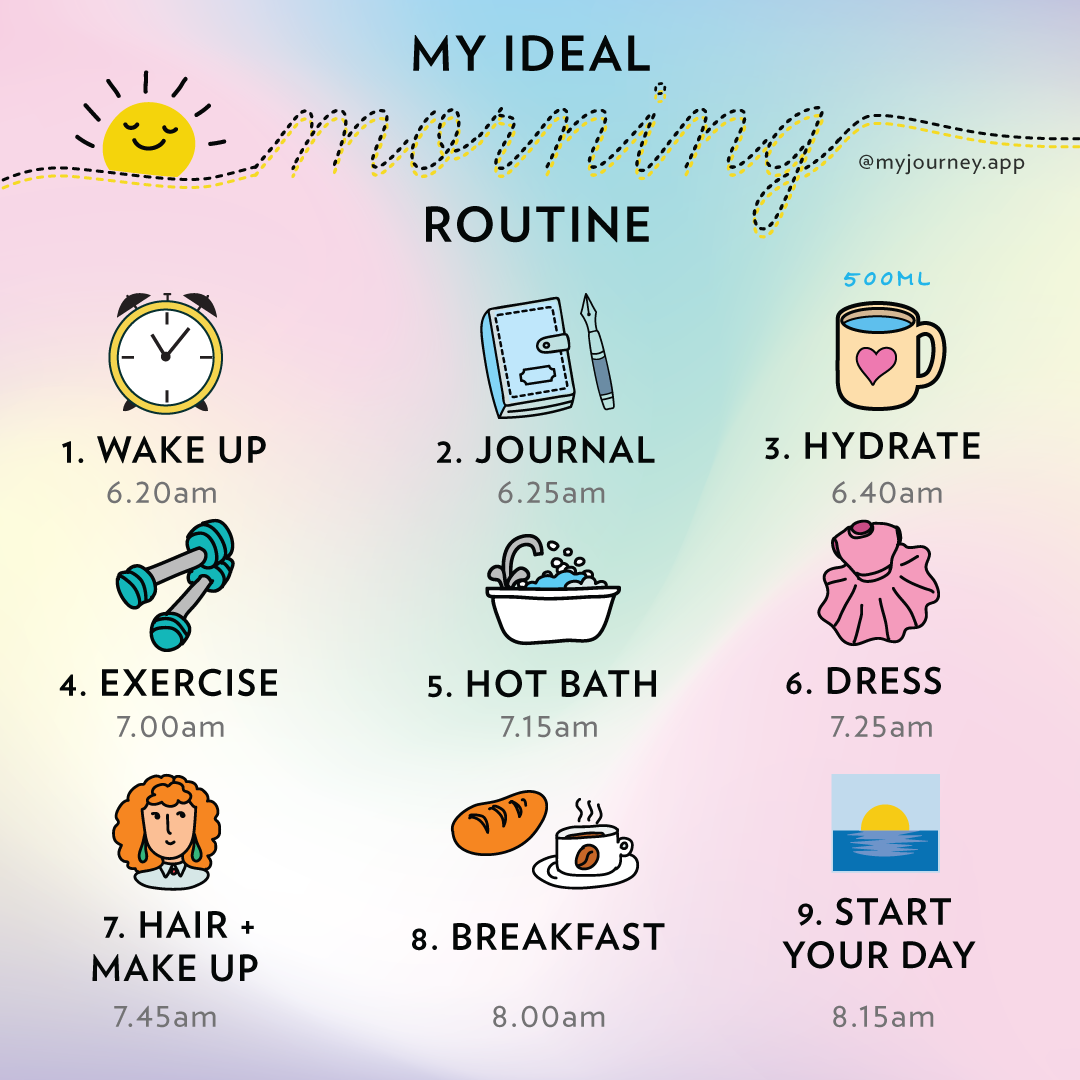
Maintaining a consistent sleep schedule and energy levels throughout the work week is a common challenge for many households. While many individuals turn to caffeine or sleep-tracking hacks to manage morning fatigue, health experts emphasize that foundational lifestyle habits—such as avoiding the “snooze” button and staying properly hydrated—are more effective for long-term vitality. Understanding the biological impact of fragmented sleep and the role of hydration in cognitive function is essential for those looking to improve their daily alertness.
For families and professionals alike, the struggle to feel refreshed on a Monday morning often stems from sleep patterns established over the weekend. According to guidance on healthy sleep hygiene, the temptation to rely on “fragmented sleep”—often caused by hitting the snooze button repeatedly—can significantly hinder an individual’s ability to function optimally during the day. Rather than attempting to “catch up” on rest through cycle-based alarm hacks, which lack rigorous scientific validation, health professionals recommend rising immediately when the alarm sounds to stabilize the body’s internal clock.
The Role of Hydration and Movement in Morning Energy
Beyond sleep consistency, physiological factors play a major role in how we start the day. Fatigue is frequently a primary symptom of mild dehydration, a condition that is also closely linked to fluctuations in mood and cognitive performance. Establishing a habit of consuming water immediately upon waking can help rehydrate the body after a night of rest. For those who remain sluggish, maintaining consistent water intake throughout the day—rather than relying solely on caffeinated beverages—serves as a more sustainable method to prevent lethargy, as noted by health researchers.
Physical movement also serves as a natural stimulant. During REM sleep, the body enters a state of atonia, or muscle paralysis, which can leave the body feeling stiff upon waking. Gentle stretching or yoga can increase circulation, effectively delivering oxygen and vital nutrients to the muscles and brain. This simple physical intervention helps transition the body from the stillness of sleep to the activity of the morning, providing a more balanced energy boost than over-caffeination, which can often lead to anxiety or jitteriness.
Managing Long-Term Health Risks
While daily energy management is a priority for many, proactive health monitoring is equally important for long-term well-being. For adults aged 30 to 79, clinicians use standardized tools to assess cardiovascular health. The PREVENT (Predicting Risk of Cardiovascular Disease EVENTs) equations, updated by the American Heart Association and the American College of Cardiology, allow healthcare providers to estimate 10- and 30-year risks for cardiovascular disease, including heart failure and stroke. These assessments are derived from validated populations and help determine when lifestyle counseling or therapeutic interventions, such as lipid-lowering therapy, are necessary for primary prevention, as detailed in the 2026 ACC/AHA Guideline.
The transition toward more personalized preventive care highlights the importance of individual health metrics. Unlike older models, current risk assessment tools now incorporate body mass index (BMI) to better estimate heart failure risks and have moved away from race-based variables to provide a more inclusive analysis. For individuals categorized as having a 10-year ASCVD risk of 3% or higher, the guidelines suggest that health behavior counseling and discussions regarding pharmacotherapy are critical steps in managing future health outcomes.
Practical Steps for Sustained Vitality
To summarize, achieving a balanced start to the week requires a combination of behavioral discipline and awareness of physical needs. By focusing on these core areas, individuals can improve their daily performance and overall wellness:

- Consistency: Avoid the snooze button to prevent fragmented sleep, which disrupts your ability to function throughout the day.
- Hydration: Prioritize water intake immediately upon waking to combat the cognitive and mood-related effects of dehydration.
- Circulation: Utilize gentle movement or stretching to wake up muscles that were inactive during REM sleep.
- Preventive Screening: Consult with a healthcare provider regarding your long-term cardiovascular health using updated risk assessment frameworks like the PREVENT equations, which now provide a more comprehensive view of heart health for adults aged 30 to 79.
As health guidelines continue to evolve, staying informed through verified medical sources remains the best strategy for personal health management. If you have questions about your specific risk profile or how to adjust your daily routine, schedule an appointment with your primary care provider to discuss a plan tailored to your lifestyle. We encourage our readers to share their own strategies for maintaining energy in the comments below.