
Consumers exploring flexible hardware options can now examine device rental structures for popular computing and mobile hardware. According to consumer technology reports, major manufacturers and authorized retail partners increasingly offer hardware subscription pathways, letting users access premium devices through structured monthly payments rather than traditional upfront purchases.
This evolving acquisition model alters how everyday users and professionals equip themselves with mobile technology. Instead of paying full retail costs immediately for flagship devices, buyers can evaluate operational lease agreements that bundle hardware upgrades, and in some cases, device protection services into a recurring fee structure.
Industry analysts note that these subscription frameworks appeal particularly to users who prefer upgrading their equipment every twelve to twenty-four months. By shifting from outright ownership to service-based utilization, buyers avoid the hassle of reselling aging hardware on secondary markets when newer generations launch.
Understanding Hardware Subscription Models
Hardware leasing and subscription programs operate differently from traditional carrier financing or standard consumer credit lines. When customers enter a device subscription agreement, they typically pay a fixed monthly fee for a set duration, such as one or two years. At the end of the term, participants usually choose between upgrading to the latest model, returning the device, or occasionally purchasing the hardware outright for a residual fee.

Financial analysts emphasize that while monthly out-of-pocket costs drop significantly compared to upfront purchases, the long-term cumulative expense can exceed standard retail pricing if subscriptions continue indefinitely without hardware refreshes. Consumers must calculate the total cost of ownership over a multi-year period before committing to recurring device fees.
Furthermore, these programs often require strict adherence to device condition guidelines. Because the hardware remains the property of the leasing provider or financial partner, normal wear and tear is typically accepted, but excessive damage or screen cracks can trigger substantial repair fees or invalidate return options at the end of the contract term.
Market Impact and Consumer Considerations
The expansion of tech leasing reflects a broader economic shift toward the subscription economy, where access takes precedence over permanent possession. Software services, entertainment media, and now physical hardware all follow similar recurring-revenue patterns that provide predictable cash flow for manufacturers while lowering the barrier to entry for budget-conscious buyers.
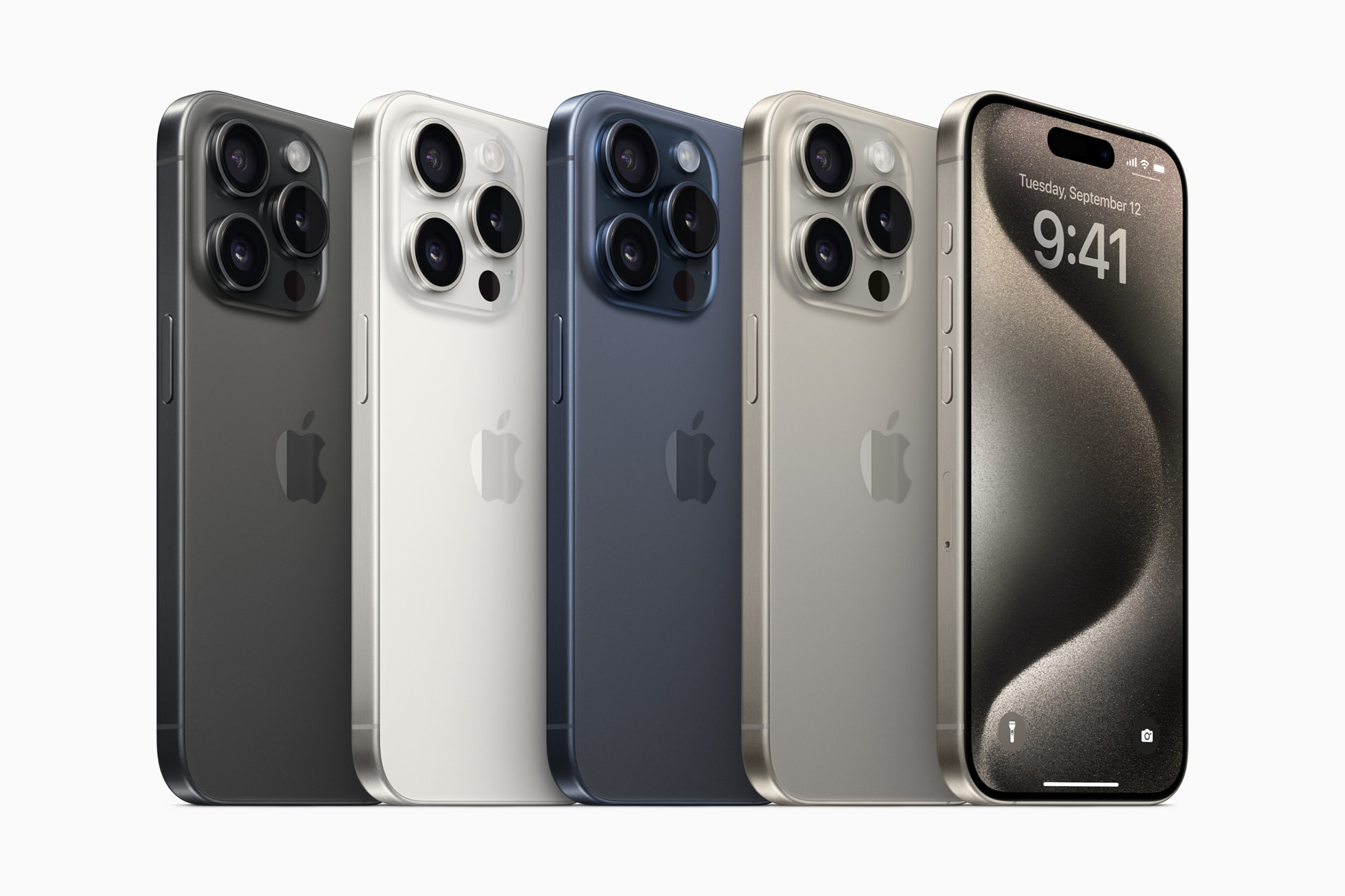
Independent technology reviewers advise shoppers to review contract terms carefully, paying close attention to cancellation policies, insurance coverage inclusions, and upgrade eligibility windows. Authorized retail channels and official manufacturer portals provide detailed terms outlining what happens if a device is lost, stolen, or damaged during the active subscription period.
As consumer interest in sustainable technology management grows, device rental programs also support circular economy initiatives. Returned hardware undergoes professional refurbishment, diagnostic testing, and resale or component recycling, reducing electronic waste compared to devices sitting unused in household drawers.
Next Steps for Interested Buyers
Shoppers wanting to evaluate current hardware subscription availability can visit official manufacturer support pages or authorized retail storefronts to compare monthly rates against traditional purchase options. Reviewing up-to-date program terms directly from primary providers ensures clarity on pricing, eligibility, and end-of-term requirements before signing any agreement.
What are your thoughts on shifting from device ownership to hardware subscriptions? Share your experiences or questions in the comments below.
Related reading