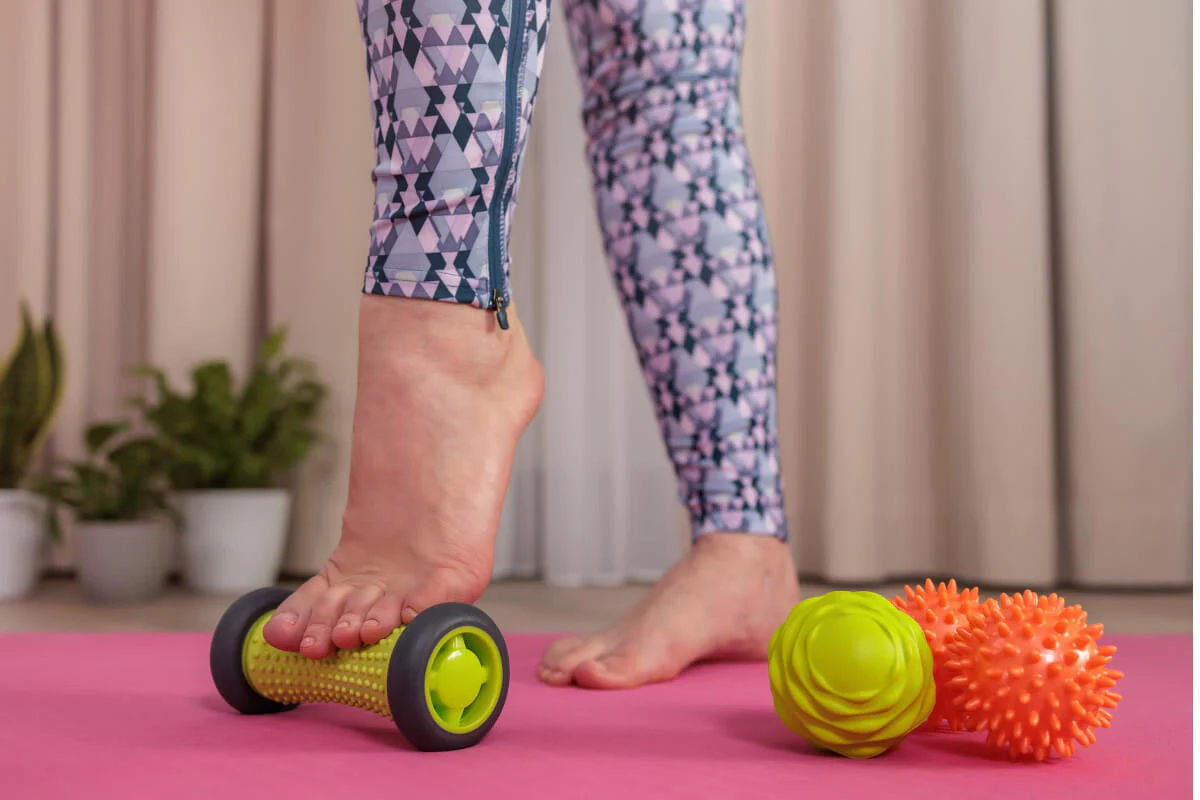
Foam rolling has become a popular self-care technique for managing muscle tension and discomfort, particularly for individuals seeking accessible ways to address everyday aches. As interest in at-home wellness practices continues to grow, understanding how to use a foam roller effectively and safely is essential. This guide provides evidence-based insights into foam rolling for pain relief, drawing from verified sources and expert recommendations to help readers make informed decisions about incorporating this tool into their routines.
The practice involves using a cylindrical foam device to apply pressure to specific muscle groups, a method often referred to as self-myofascial release. While many people turn to foam rolling for relief from back pain, neck stiffness, or sore legs, it’s important to approach the technique with proper form and awareness of individual limitations. Research suggests that when performed correctly, foam rolling may improve flexibility, reduce delayed onset muscle soreness, and enhance recovery after physical activity—though individual results can vary based on factors like frequency, duration, and underlying health conditions.
For those experiencing discomfort in the upper or lower back, foam rolling can be a useful component of a broader self-care strategy when used appropriately. However, it is not a substitute for professional medical advice, especially for individuals with chronic pain, injuries, or specific health concerns. Consulting with a healthcare provider or physical therapist before beginning any new self-treatment regimen is strongly recommended to ensure safety and suitability for one’s personal health profile.
How Foam Rolling Works for Muscle Relief
Foam rolling targets the fascia—the connective tissue surrounding muscles—and aims to alleviate tension through sustained pressure and movement. When applied correctly, this pressure may help increase blood flow to the area, reduce muscle tightness, and improve range of motion. The sensation during rolling is often described as uncomfortable but not painful; sharp or intense pain should be avoided, as it may indicate improper technique or an underlying issue requiring professional evaluation.
Experts suggest focusing on major muscle groups such as the calves, quadriceps, hamstrings, glutes, and upper back, while avoiding direct pressure on the lower back or spine. Instead, individuals experiencing lower back discomfort are often advised to roll surrounding areas like the hips and thighs, which can indirectly support lumbar relief. Proper form includes moving slowly, maintaining core engagement, and breathing steadily throughout the process to prevent strain.
Duration and frequency matter: most guidelines recommend spending 30 to 90 seconds per muscle group, with sessions lasting no more than 10 to 15 minutes total. Over-rolling or applying excessive pressure can lead to bruising or increased soreness, so moderation is key. Beginners may start with shorter sessions and softer foam rollers before progressing to firmer densities as tolerance improves.
Best Practices for Safe and Effective Use
To maximize benefits and minimize risks, several best practices should be followed when using a foam roller. First, always warm up lightly before rolling—such as with gentle walking or dynamic stretches—to prepare the muscles for pressure application. Rolling cold muscles may increase the risk of discomfort or ineffective results. Second, avoid rolling over joints, bones, or areas with recent injury unless specifically directed by a qualified professional.
Posture and body positioning are critical. For example, when rolling the upper back, individuals should support their head with their hands, retain knees bent, and lift the hips slightly to maintain control. When targeting the legs, it’s important to keep the core engaged and avoid letting the lower back sag. Using a mirror or recording oneself can help assess form, especially when learning new techniques.
Hydration also plays a role in recovery; drinking water before and after foam rolling may support tissue health and fluid circulation. Combining foam rolling with other recovery strategies—such as stretching, strength training, or low-impact activities like yoga or swimming—can enhance overall musculoskeletal resilience. There is no one-size-fits-all approach, and individuals should adjust their routine based on how their body responds.
When to Avoid Foam Rolling
While foam rolling is generally safe for many people, certain conditions warrant caution or avoidance. Individuals with osteoporosis, deep vein thrombosis, severe varicose veins, or open skin wounds should consult a healthcare provider before use, as pressure application could exacerbate these issues. Those with rheumatoid arthritis, fibromyalgia, or other inflammatory conditions may also need to modify their approach or avoid rolling during flare-ups.
Pregnant individuals should exercise particular caution, especially when rolling the abdomen, lower back, or inner thighs, and should seek guidance from a prenatal care specialist or pelvic floor therapist. Similarly, anyone experiencing numbness, tingling, or unexplained pain during or after rolling should discontinue use and seek medical evaluation to rule out nerve compression or other underlying concerns.
It’s also important to recognize that foam rolling addresses symptoms rather than root causes. Persistent or worsening pain despite self-care efforts may indicate a need for diagnostic imaging, physical therapy, or other clinical interventions. Relying solely on foam rolling for chronic or debilitating discomfort without professional assessment could delay appropriate treatment.
Choosing the Right Foam Roller
Foam rollers vary in density, texture, and size, each suited to different needs and experience levels. Softer rollers are often recommended for beginners or those with sensitive tissues, as they provide gentler pressure. Medium-density rollers offer a balance of comfort and effectiveness for general use, while firmer options are typically preferred by athletes or individuals with higher pain tolerance seeking deeper tissue work.
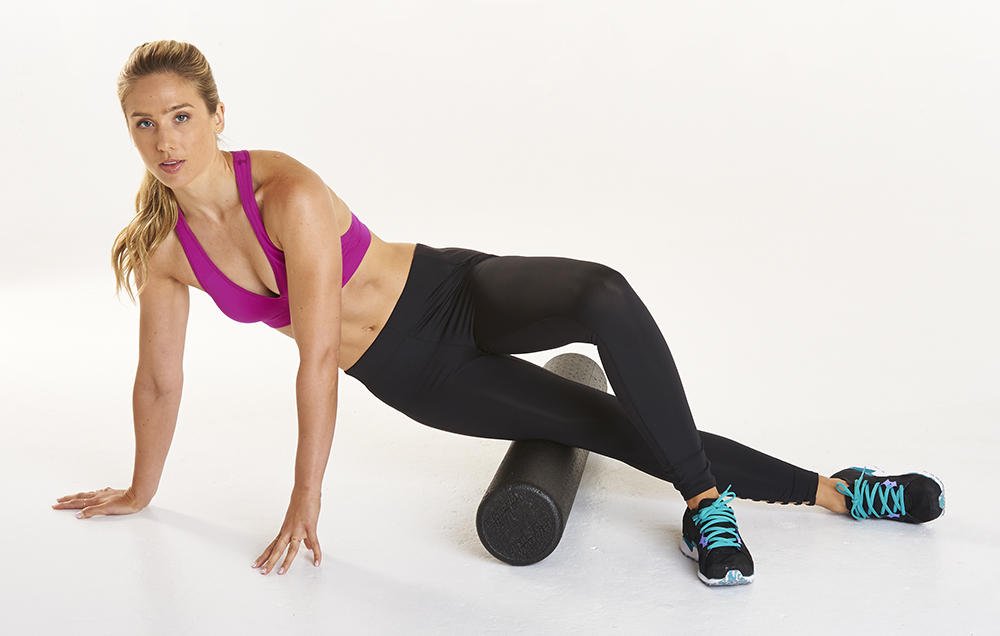
Surface texture also influences the experience: smooth rollers provide even pressure, whereas ridged or grid-patterned designs may mimic the sensation of massage therapy by targeting specific points more intensely. Some rollers incorporate vibration technology, though evidence on added benefits remains limited and inconclusive. Length and diameter matter too—longer rollers (around 36 inches) offer stability for full-back work, while shorter or travel-sized versions suit targeted limb use.
Material quality affects durability and hygiene. High-density ethylene-vinyl acetate (EVA) or polypropylene foam resists deformation and is easier to clean than lower-quality alternatives. Regardless of choice, inspecting the roller regularly for cracks, tears, or loss of shape ensures consistent performance and safety over time.
Integrating Foam Rolling into a Wellness Routine
For best results, foam rolling should be viewed as one component of a holistic approach to musculoskeletal health rather than a standalone solution. Pairing it with regular strength training helps build muscular support around joints, reducing strain over time. Flexibility work—such as static stretching or yoga—complements rolling by maintaining gains in range of motion. Cardiovascular activity promotes circulation, which aids in tissue repair and recovery.
Consistency yields better outcomes than sporadic use. Incorporating foam rolling a few times per week, or even daily for brief sessions, may help maintain tissue quality and prevent the buildup of tension. Many individuals find it helpful to roll after workouts to ease post-exercise soreness or in the evening to promote relaxation before sleep. Others use it proactively on rest days to support recovery and readiness for future activity.
listening to one’s body is paramount. Adjusting pressure, duration, or frequency based on comfort and response ensures the practice remains beneficial rather than counterproductive. When in doubt, seeking guidance from a certified fitness professional, physical therapist, or sports medicine specialist can provide personalized recommendations tailored to individual goals, limitations, and health status.
Keep reading