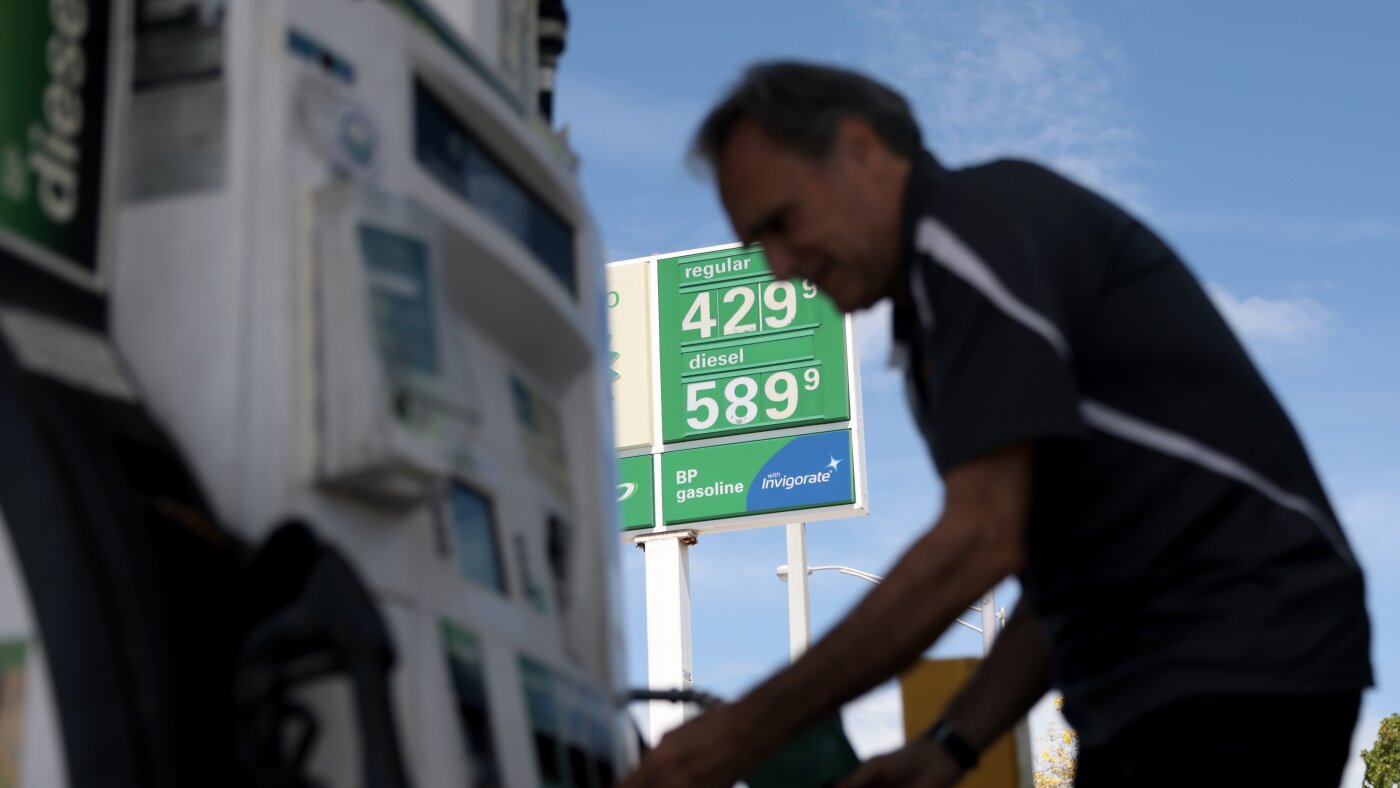
American motorists are facing a sharp increase in fuel costs, with national gasoline prices now averaging above $4 per gallon. The sudden spike has left many drivers searching for ways to reduce their spending at the pump as the cost of living continues to press on households across the United States.
The current volatility is largely attributed to geopolitical instability. Specifically, conflict involving Iran has begun to boost gasoline prices, as disruptions to global oil supplies lead to higher crude oil costs WSJ. This trend has shifted the economic landscape for many Americans who, as recently as January, had seen cheap gasoline serve as a welcome offset to high grocery prices.
The rapid climb in prices has also reignited a political firestorm. According to data from AAA, as of March 20, the average price of a gallon of regular gas stood at $3.912—the highest level since October 2022 USA TODAY. This represents an increase of more than $1 per gallon since the beginning of February.
As drivers grapple with these costs, the conversation has shifted toward practical survival strategies: whether to change driving habits, transition to electric vehicles, or reduce vehicle dependency entirely.
The Political Fallout of Rising Fuel Costs
The surge in prices has created a challenging environment for the Trump administration, which campaigned heavily on affordability during the 2024 election. In a reversal of previous political trends, stickers featuring President Trump’s image with the phrase “I did that” have begun appearing on gas pumps—a tactic previously used by critics of the Joe Biden administration to highlight high energy costs USA TODAY.
President Trump has addressed the situation by stating that a temporary rise in gas prices is a necessary cost to eliminate threats from Iran USA TODAY. But, this stance has not fully shielded the administration from political pressure. GOP anxiety has spiked over rising energy prices as the midterms approach, with concerns that the issue could become a liability Politico.
Industry analysts note that gas prices were a “saving grace” for the administration in January, but the combination of inflation and the cost of living has turned that bright spot into a “highly dark spot” USA TODAY.
Strategies for Reducing Fuel Expenditures
With national averages exceeding $4 per gallon, American consumers are exploring various methods to mitigate the impact on their monthly budgets. The options range from immediate behavioral changes to long-term investment in new technology.
Adjusting Driving Habits
One of the most immediate ways drivers are attempting to save is by altering how they operate their vehicles. Reducing speed and avoiding aggressive acceleration can improve fuel efficiency. Many are also looking at reducing non-essential trips or consolidating errands to minimize the number of miles driven.
The Transition to Electric Vehicles (EVs)
The volatility of oil prices, driven by conflicts in regions like Iran, has increased the appeal of electric vehicles. By removing the reliance on gasoline, EV owners are insulated from the fluctuations of the global crude oil market. However, the transition depends heavily on the availability of charging infrastructure and the upfront cost of the vehicles.
Reducing Vehicle Dependency
For those in urban areas, the rise in gas prices is prompting a shift toward alternative transportation. This includes an increase in the use of public transit, ride-sharing, or cycling. For some, the goal is to avoid driving entirely for daily commutes to avoid the “sticker shock” at the pump.
Understanding the Global Impact on U.S. Prices
To understand why prices are rising so sharply, We see necessary to gaze at the global energy supply chain. Crude oil is a globally traded commodity; instability in major producing regions directly affects the price at local stations in cities like Miami, Florida.
The current conflict involving Iran has created a risk premium in the oil market. When there is a perceived threat to the flow of oil through critical shipping lanes or a risk of production decreases, prices typically rise. This geopolitical tension is the primary driver behind the recent increase of over $1 per gallon seen since February USA TODAY.
This volatility underscores the ongoing tension between national security objectives—such as eliminating Iranian threats—and the economic reality of fuel affordability for the average citizen.
Key Takeaways on Current Gas Price Trends
- Price Surge: National gas averages have climbed above $4 per gallon, with some regions like Florida seeing similar or higher spikes.
- Timeline: Prices have risen by more than $1 per gallon since the start of February 2026.
- Primary Cause: Conflict and strikes involving Iran have disrupted global oil supplies and increased crude costs.
- Political Impact: Rising costs have led to a resurgence of “I did that” protest stickers targeting the current administration.
- Consumer Response: Drivers are weighing options between driving slower, switching to electric vehicles, or reducing driving altogether.
As the situation in Iran continues to evolve, the energy market remains volatile. The next critical checkpoint for consumers and policymakers will be the ongoing monitoring of global oil supply levels and the administration’s continued strategy regarding Iranian threats.
We invite our readers to share their experiences in the comments below: How are rising fuel costs affecting your daily commute, and what strategies are you using to save at the pump?