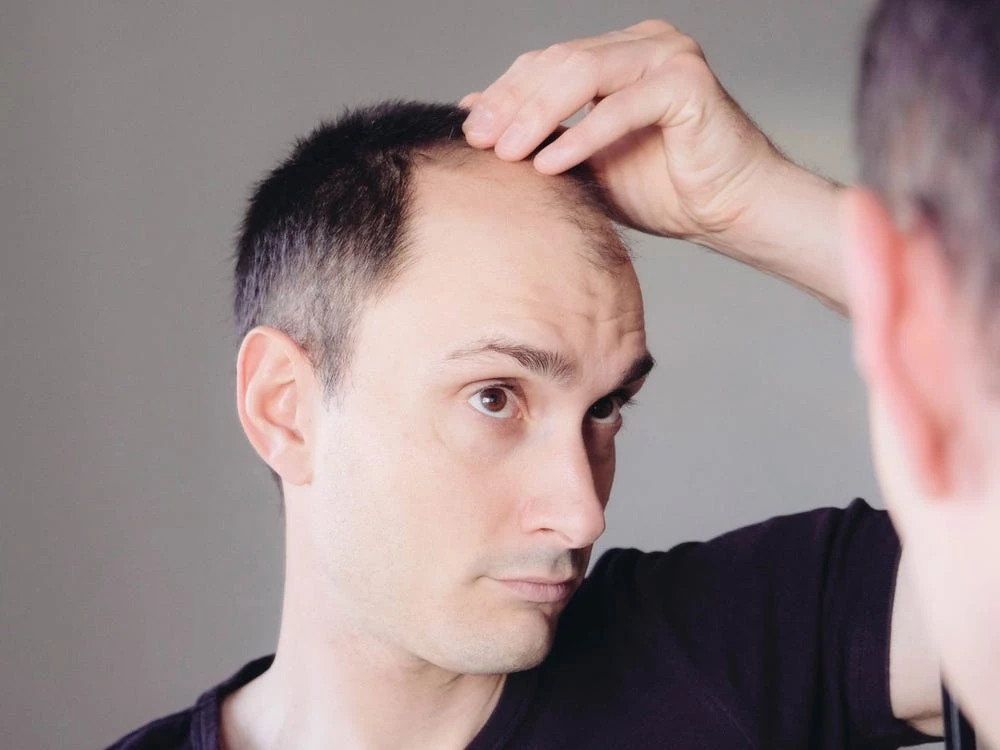
Men can slow or prevent male pattern baldness using FDA-approved medications like minoxidil and finasteride, alongside lifestyle adjustments and surgical interventions, according to the Mayo Clinic. While permanent reversal of genetic hair loss remains elusive, early intervention is cited by medical professionals as the most effective way to preserve existing hair follicles.
Androgenetic alopecia, the clinical term for male pattern baldness, affects a significant portion of the global male population. It occurs when follicles shrink due to the influence of dihydrotestosterone (DHT), a byproduct of testosterone. This process, known as miniaturization, leads to thinner, shorter hairs that eventually stop growing altogether.
The American Academy of Dermatology notes that the effectiveness of these treatments depends heavily on when they are started. Once a follicle has completely miniaturized and the scalp becomes smooth, topical or oral medications generally cannot regrow hair in that specific area.
What are the most effective medical treatments for male hair loss?
Minoxidil, available over-the-counter as a foam or solution, is one of the most widely used preventatives. According to the U.S. Food and Drug Administration (FDA), minoxidil works by widening blood vessels to improve blood flow to the follicle and stimulating growth. It is typically applied twice daily to the scalp.
Finasteride is a prescription medication that targets the hormonal cause of hair loss. It works by inhibiting the enzyme 5-alpha reductase, which prevents the conversion of testosterone into DHT. The NHS states that finasteride can stop further hair loss and, in some cases, regrow hair, though it requires a prescription due to potential side effects involving sexual function.
For those who do not respond to medication, follicular unit extraction (FUE) and follicular unit transplantation (FUT) offer surgical alternatives. These procedures move healthy follicles from the back or sides of the head to the thinning areas. Surgeons use these methods to create a more natural hairline or fill in bald spots.
How does lifestyle impact hair thinning and prevention?
While genetics drive most male pattern baldness, environmental and lifestyle factors can accelerate the process. Chronic stress can trigger a condition called telogen effluvium, which pushes hair follicles into a resting phase prematurely, causing sudden shedding. The Mayo Clinic suggests that managing stress through exercise and sleep can mitigate this specific type of loss.

Nutrition plays a supporting role in follicle health. Deficiencies in iron, zinc, and protein can lead to brittle hair and increased shedding. A diet rich in omega-3 fatty acids and vitamins A, C, and E supports scalp health, though these cannot override the genetic predisposition to androgenetic alopecia.
Physical trauma to the scalp, such as tight hairstyles or harsh chemical treatments, can cause traction alopecia. This is a form of hair loss caused by repeated pulling or tension on the hair roots, which can lead to permanent follicle damage if the tension is not removed.
What are the risks and limitations of hair loss treatments?
No single treatment is a guaranteed cure. Minoxidil may cause scalp irritation or dryness in some users. Finasteride carries a risk of side effects, including decreased libido or erectile dysfunction, which occur in a small percentage of men. Medical providers emphasize the need for a professional diagnosis to ensure the hair loss isn’t caused by an underlying autoimmune disease or thyroid disorder.
Low-level laser therapy (LLLT) is another option, using specific wavelengths of light to stimulate cellular activity in the follicle. While some FDA-cleared devices exist, the American Academy of Dermatology notes that results vary significantly between individuals and are often less dramatic than surgical options.

The most critical factor in prevention is the timing of the intervention. Because DHT gradually shrinks the follicle over years, starting treatment during the first signs of thinning—such as a receding hairline or a widening part—yields better results than attempting to regrow hair from a completely bald area.
Patients seeking treatment should consult a board-certified dermatologist to determine the specific cause of their hair loss and develop a tailored medication plan. The next step for most men experiencing thinning is a scalp examination and blood test to rule out nutritional deficiencies or hormonal imbalances.
Do you have questions about specific treatments or your own experience with hair loss? Share your thoughts and questions in the comments below.