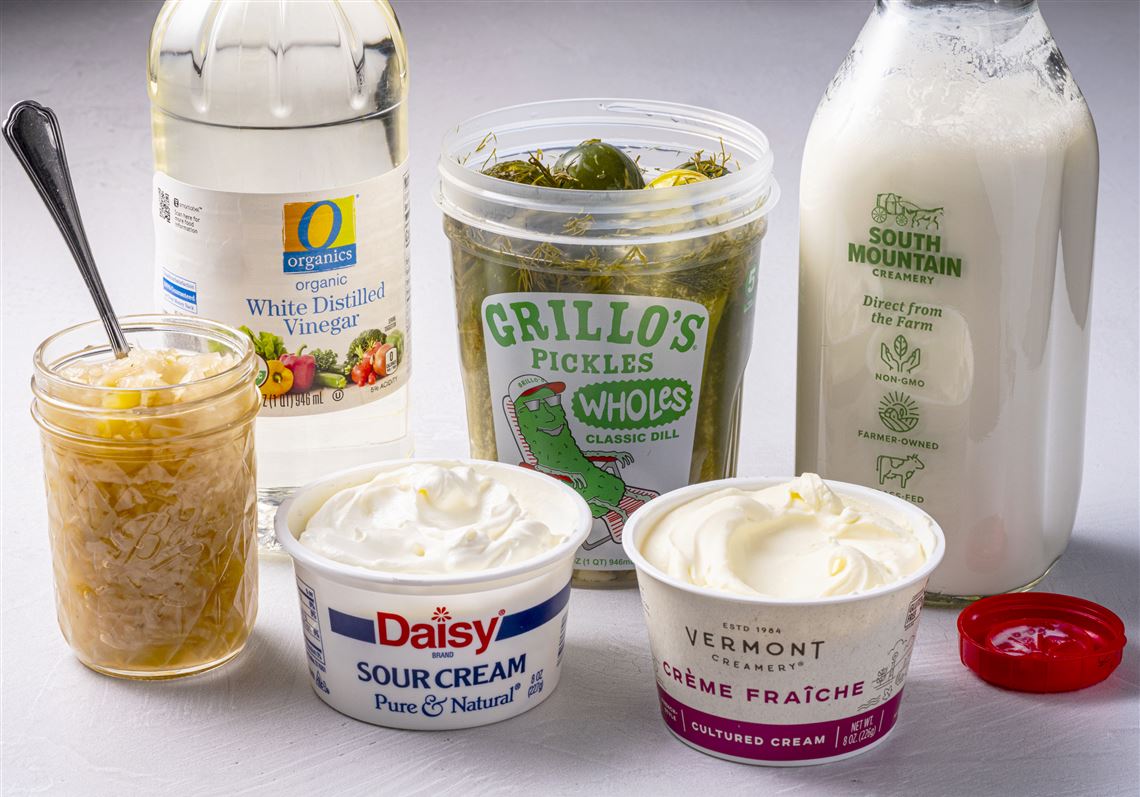
Understanding how sour ingredients unlock a world of flavor in home cooking is a fundamental skill that transforms basic meals into balanced, professional-grade dishes. By integrating acidic elements—such as citrus juices, vinegars, or fermented dairy—home cooks can effectively counteract heaviness, cut through fats, and brighten the overall profile of a dish. This technique, often employed by chefs to provide “lift” to a recipe, serves as a vital tool for those aiming to elevate their everyday kitchen repertoire without requiring complex culinary training.
The science behind flavor balance relies heavily on the interplay between the five basic tastes: sweet, salty, bitter, sour, and umami. According to culinary research, sourness acts as a palate cleanser, stimulating saliva production and making the taste buds more receptive to other flavors. When a dish feels “flat” or lacks complexity, a small addition of acid often provides the necessary contrast to bring the remaining ingredients into focus.
The Role of Acid in Balancing Culinary Profiles
Acidity serves as a corrective measure in the kitchen, particularly when a dish suffers from an excess of salt or richness. For example, adding a splash of lemon juice or a dash of vinegar can brighten a heavy cream sauce or a rich meat stew. This practice is supported by culinary experts who note that acid interacts with fat molecules, preventing them from coating the tongue and dulling the perception of other spices and aromatics. Consistent application of this principle allows for more nuanced seasoning, as the acid pulls the disparate elements of a meal together into a cohesive whole.
Beyond simple brightness, sour ingredients introduce depth through fermentation. Products like yogurt, kefir, and various vinegars contain complex flavor compounds that contribute to the “umami” profile of a dish. When incorporated into marinades or dressings, these ingredients not only tenderize proteins—as the acid denatures the surface-level structures of meat—but also create a more robust flavor foundation that persists through the cooking process.
Practical Techniques for Incorporating Sourness
Home cooks can easily implement these flavor-enhancing strategies using common pantry staples. A common pitfall in home cooking is the under-use of acid during the seasoning process. Chefs often recommend adding acid in stages: once during the initial preparation to build a base note, and again at the end of the cooking process to “brighten” the final presentation. This two-stage approach ensures that the sourness is fully integrated while maintaining its characteristic sharpness.

Specific applications include:
- Citrus Zest and Juice: Use fresh lemon, lime, or orange juice to finish roasted vegetables or grilled fish. The zest provides aromatic oils, while the juice provides the necessary acidity.
- Vinegar Varieties: Experiment with different types of vinegar, such as apple cider for sweetness, red wine for robustness, or rice vinegar for a cleaner, more subtle acidity.
- Fermented Dairy: Incorporate plain yogurt or sour cream into soups, sauces, or dressings to introduce a creamy, tangy element that balances spicy or salty components.
Why Flavor Balance Matters for Everyday Cooking
Mastering the use of sour ingredients is essential for creating satisfying meals with limited time. When a dish is properly balanced, the need for excessive salt or sugar is significantly reduced. This is a critical factor in healthy cooking, as relying on acidity allows the natural flavors of high-quality ingredients to shine without the need for heavy seasoning. By focusing on the “sour” component of a dish, cooks can achieve a restaurant-quality result that feels fresh, vibrant, and well-composed.

For those looking to refine their technique, the most reliable method is to taste the dish at every stage of the cooking process. If a flavor seems to be lingering too long on the tongue or feels overwhelming, a small amount of acid is often the missing link. This iterative process of tasting and adjusting is the hallmark of skilled cooking and the most effective way to learn how different ingredients interact with the palate.
As home cooking continues to evolve, the emphasis on balancing flavors remains a constant objective for culinary enthusiasts. While new techniques and ingredients emerge, the fundamental role of acidity as a flavor enhancer remains unchanged. For further updates on culinary trends and techniques, readers are encouraged to monitor upcoming features on our site. We welcome your thoughts on how you use acidity in your own kitchen; please share your favorite tips and experiences in the comments section below.
Keep reading