
Google is quietly reshaping how billions of people interact with the internet—one search at a time. The tech giant’s latest advancements in artificial intelligence are poised to transform its flagship product, the Google Search engine, into something far more conversational and intuitive. No longer just a tool for keyword-based queries, Google Search is evolving to handle complex, natural-language questions with the fluency of AI chatbots like ChatGPT or Anthropic’s Claude. But what does this shift mean for users, businesses, and the future of online discovery? And how will Google balance innovation with the risks of misinformation in an era where search results are generated dynamically by AI?
For decades, Google’s dominance in search has rested on its ability to parse billions of web pages, rank them by relevance, and deliver snippets of information in milliseconds. But as users increasingly turn to AI-powered assistants for answers—whether through voice queries on smartphones or chat interfaces—Google is betting that the next frontier lies in making search feel more like a conversation than a transaction. The company has been testing AI-driven search features for years, but recent leaks and internal announcements suggest a major overhaul is underway, one that could redefine how people access information in the digital age.
The stakes are high. With over 92% of global internet users relying on Google Search monthly, any changes to its core functionality ripple across industries—from e-commerce and journalism to education and legal research. The question isn’t just whether Google’s AI search will work, but how it will shape the internet’s ecosystem, from SEO strategies to the highly nature of online truth.
How Google’s AI Search Will Change the Way You Ask Questions
Google has long experimented with integrating AI into search, but recent developments suggest a more ambitious vision: turning the search engine into a proactive tool that understands context, intent, and even follow-up questions. Unlike traditional search, which relies on static indexing of web pages, Google’s new AI models are trained to generate responses dynamically, much like a human would. This shift aligns with broader trends in AI, where companies are moving beyond retrieval-based systems (like returning links) to generative AI, which create original content based on user queries.
One of the most significant changes is the ability to ask multi-turn questions—meaning users can engage in a back-and-forth conversation with Google Search, refining their queries based on previous answers. For example, instead of typing “best running shoes for flat feet 2026” and then clicking through multiple results, a user might ask:
“What are the best running shoes for flat feet?”
“Show me options under $150.”
“Which of these has the best arch support according to expert reviews?”
Google’s AI would then synthesize information from across the web—not just returning links, but summarizing key points, comparing products, and even citing sources. This mirrors the functionality of chatbots but with the added layer of Google’s vast knowledge graph, which connects entities, facts, and relationships in real time.
From Keywords to Conversations: The Shift in Search Behavior
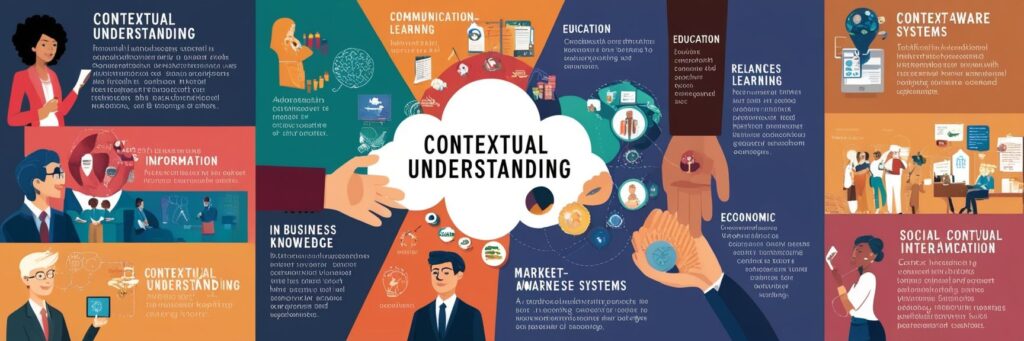
This transformation isn’t just about convenience—it’s about rethinking the fundamental interaction between users and machines. Traditional search engines treat queries as isolated requests, but AI-powered search understands that questions often build on each other. For instance:
- Contextual Understanding: If you search for “best Italian restaurants in San Francisco,” an AI-driven search could remember your location and preferences (e.g., “vegetarian-friendly”) from previous interactions.
- Follow-Up Clarifications: If your initial query is ambiguous (e.g., “how to fix a leaky faucet”), the AI might ask, “Do you mean a dripping faucet or a running one?” before providing step-by-step instructions.
- Multi-Modal Responses: Future iterations could combine text, images, and even videos—imagine asking, “Show me how to assemble this IKEA shelf,” and receiving a step-by-step visual guide embedded in the search results.
Google has already rolled out some of these features in beta. For example, its Search Generative Experience (SGE), introduced in 2023, allows users to ask complex questions and receive AI-generated summaries before clicking through to traditional search results. While still in testing, early feedback suggests users appreciate the ability to get quick answers without sifting through pages of links.
Who Stands to Gain—and Who Might Lose?
The implications of this shift are vast, touching nearly every sector that relies on discoverability. Here’s how different stakeholders might be affected:

- Consumers: The biggest winners are likely everyday users who value speed and simplicity. AI search could make information more accessible, especially for complex topics like medical advice or legal research. However, there’s a risk of over-reliance on AI-generated summaries, which may lack depth or context compared to original sources.
- Businesses and Publishers: Websites that rank highly in traditional search could see their traffic shift if users no longer need to visit them for answers. Publishers may need to adapt by creating AI-optimized content that aligns with how search engines generate responses. E-commerce sites, in particular, may benefit from AI-driven product comparisons and recommendations.
- SEO Professionals: The rules of search engine optimization (SEO) are likely to evolve. Keywords may matter less if AI understands semantic meaning, while factors like Expertise, Authoritativeness, and Trustworthiness (E-A-T) could become even more critical for ranking.
- Advertisers: Google’s ad revenue—over $240 billion in 2025—relies heavily on search ads. If AI search reduces the need for clicks, advertisers may need to pivot to other formats, such as AI-generated ad copy or interactive search experiences.
The Risks: Misinformation, Hallucinations, and the Death of the Link?
While the potential benefits of AI search are substantial, the risks cannot be ignored. One of the biggest concerns is the possibility of hallucinations—where AI-generated responses confidently assert facts that don’t exist. Unlike traditional search, which links to verifiable sources, AI search might present information as authoritative even if it’s incorrect or fabricated.
Google has acknowledged this challenge, emphasizing that its AI models are trained to cite sources and provide transparency about when information is generated by AI versus pulled from the web. However, critics argue that the bar for accuracy may be lower than with human-curated content. For example:
- In a 2024 study by Stanford University, researchers found that AI-generated search summaries sometimes included incorrect or outdated information, particularly for niche or rapidly changing topics.
- There’s also the risk of filter bubbles, where AI search reinforces users’ existing beliefs by prioritizing familiar sources over diverse perspectives.
- Finally, the rise of AI search could reduce traffic to publishers, particularly for smaller sites that rely on organic search for visibility.
Google has taken steps to mitigate these risks, such as:
- Labeling AI-generated content clearly (e.g., “Information generated by AI” disclaimers).
- Providing links to sources for key facts within AI-generated responses.
- Partnering with fact-checkers and media organizations to improve accuracy.
Yet, as AI models become more sophisticated, the line between helpful summaries and misleading information may blur. Users will need to develop new habits—such as cross-referencing AI answers with original sources—to ensure they’re getting reliable information.
What’s Next for Google Search?
Google has not yet announced a full-scale rollout of its AI search overhaul, but leaks and internal testing suggest it’s moving quickly. Here’s what we know so far:
- Expanded AI Features: Google is testing more advanced AI interactions, including the ability to draft emails, create spreadsheets, or even book appointments directly from search results. This blurs the line between search and productivity tools.
- Voice and Visual Search: AI will play a bigger role in voice assistants (like Google Assistant) and visual search (e.g., uploading a photo of a plant to identify it).
- Personalization at Scale: Google’s AI could use user data more dynamically to tailor results, though this raises privacy concerns.
One of the most anticipated updates is the potential integration of Google DeepMind’s AI models, which could enable search to handle highly technical or specialized queries—such as scientific research or legal analysis—with greater accuracy.
When Can Users Expect These Changes?
Google has not set a firm timeline for a global rollout, but based on recent testing:
- AI-generated summaries and multi-turn conversations are already available in beta for some users in the U.S. And Europe.
- A broader release could come as early as mid-2026, though Google typically rolls out major updates gradually to monitor impact.
- Users in other regions may see incremental changes first, such as improved language support for non-English queries.
For the latest updates, users can monitor:
- Google’s official AI blog.
- Announcements in the Google Search Help Center.
- Beta testing programs for early access to new features.
Key Takeaways: What This Means for You
As Google’s AI search evolves, here’s what you need to know:
- Search will feel more like talking to an expert. Instead of typing rigid keywords, you’ll ask open-ended questions and refine them naturally.
- Answers may come faster—but verify them. AI summaries save time, but critical information should always be cross-checked with original sources.
- Publishers and businesses must adapt. SEO strategies will shift toward AI-friendly content, and user engagement may depend on how well sites integrate with AI-driven discovery.
- Privacy and misinformation are major concerns. Google’s ability to handle personal data responsibly—and its commitment to accuracy—will determine user trust.
- The future of search is interactive. Expect more dynamic, multi-modal experiences, from voice commands to AI-assisted decision-making.
Final Thoughts: A New Era for Information
Google’s push into AI search marks a turning point in how humanity accesses information. For the first time, a search engine isn’t just a tool for finding answers—it’s becoming a collaborator, a guide, and sometimes even a critic. The changes ahead will test not only Google’s technical prowess but also its ability to navigate the ethical complexities of AI in daily life.
One thing is certain: the internet’s landscape is about to shift. Whether you’re a casual user, a business owner, or a tech enthusiast, staying informed—and skeptical—will be key to making the most of this transformation.
What do you think? Will AI search make your life easier—or will it complicate things further? Share your thoughts in the comments below, and don’t forget to follow World Today Journal for updates on how this story unfolds.