
For decades, psychologists have sought a reliable way to dismantle the invisible walls of prejudice. While the “contact hypothesis”—the idea that positive interaction between different groups reduces bias—has long been a cornerstone of social science, creating those interactions in a controlled, safe and scalable way has remained a challenge. Now, a new frontier in medical and psychological innovation is emerging: the use of virtual reality (VR) to shift how we perceive others.
The science of seeing differently through virtual reality leverages immersive technology to place individuals in scenarios that challenge their preconceived notions. By manipulating the digital environment and the identities of the people within it, researchers are discovering that VR can do more than just simulate a world; it can potentially rewire the automatic associations we hold about marginalized groups.
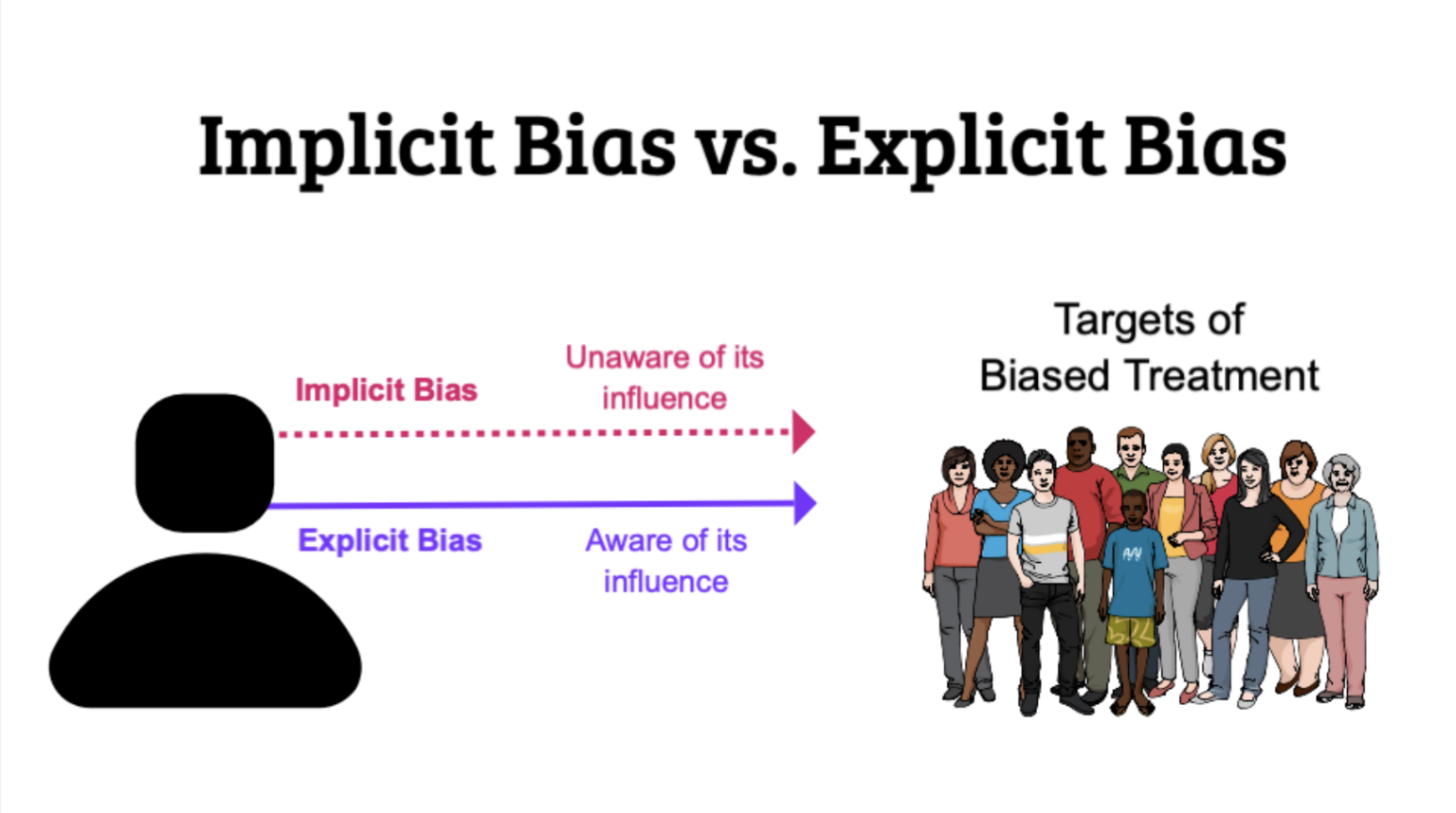
This intersection of technology and behavioral health is particularly promising because it addresses both explicit biases—the prejudices we consciously acknowledge—and implicit biases, the automatic, often unconscious associations that influence our split-second decisions. As we move toward a more fragmented social landscape, these immersive interventions offer a structured method for fostering empathy and understanding on a global scale.
The Mechanics of Immersion: How VR Tackles Bias
Virtual reality differs from traditional anti-bias training because it moves beyond passive learning. Instead of reading about discrimination or watching a video, participants inhabit a digital space where they can engage in meaningful intergroup interactions. This immersion allows researchers to design custom environments where variables are strictly managed, a feat nearly impossible in real-world social settings.
According to a systematic review published in PLoS One, VR is being utilized to study intergroup attitudes and the effectiveness of interventions designed to reduce prejudice. By creating these controlled encounters, scientists can observe exactly how a person’s attitude shifts when they interact with avatars representing different racial, cultural, or gender identities.
The power of this technology lies in its versatility. VR can be used to simulate the lived experience of another person, allowing a user to “witness” the world through a different lens, or it can be used to facilitate teamwork between people who might otherwise never meet. Both approaches aim to break the cycle of fear and lack of interaction that often fuels systemic discrimination.
Cooperation vs. Competition: The Role of Shared Goals
Not all VR experiences are created equal. Recent research suggests that the type of interaction within the virtual space significantly impacts the outcome. In a study conducted across Finland and Italy, researchers tested two distinct scenarios to determine how different social dynamics affect bias reduction.
The findings indicated that cooperative tasks in VR are more effective than competitive ones in improving attitudes toward minorities. When participants worked together with avatars representing members of a racial minority to achieve a common goal, the positive contact helped reduce biases. Conversely, competitive scenarios did not yield the same positive shifts in attitude.
This discovery reinforces the psychological principle that shared goals and mutual interdependence are key to breaking down stereotypes. When the focus shifts from “us versus them” to “we,” the immersive nature of VR amplifies the positive effects of the interaction, impacting both implicit and explicit biases.
Addressing the Complexity of Implicit Bias
One of the most challenging aspects of prejudice is that it often operates beneath the level of conscious awareness. Implicit bias refers to the automatic associations we craft, which can lead to discriminatory behavior even in individuals who believe they are unprejudiced.
VR provides a unique laboratory for studying these automatic responses. For instance, researchers have explored the behavioral dynamics of “shooter bias” in virtual reality, examining how race, the presence of a weapon, and distance influence a person’s threat perception and shooting dynamics. By analyzing these reactions in a simulated environment, scientists can better understand the triggers of implicit bias and develop targeted interventions to mitigate them.
The goal is not merely to identify these biases but to disrupt them. By repeatedly exposing users to positive, cooperative experiences with diverse avatars, VR can aid “overwrite” these automatic negative associations, leading to a more nuanced and empathetic understanding of others.
Key Takeaways on VR and Prejudice Reduction
- Immersive Interaction: VR creates controlled environments for meaningful intergroup contact, which is more scalable than traditional in-person setups.
- Cooperation is Key: Collaborative tasks in virtual spaces are significantly more effective at reducing bias than competitive interactions.
- Dual Impact: VR interventions can influence both explicit (conscious) and implicit (unconscious) prejudices.
- Controlled Variables: Researchers can manipulate specific factors, such as the race or status of an avatar, to study the exact drivers of threat perception and bias.
The Path Forward in Behavioral Innovation
As we continue to integrate immersive technology into public health and psychological practice, the focus is shifting toward the long-term sustainability of these effects. While a single VR experience can spark a shift in perspective, the challenge remains in ensuring that these changes translate into lasting behavioral shifts in the physical world.
The integration of VR into education and corporate training represents a potential leap forward in how society handles diversity and inclusion. Rather than relying on checklists or lectures, organizations could use cooperative VR modules to build genuine empathy and reduce the social fragmentation that often leads to conflict.
For those interested in the evolution of these studies, the ongoing research from institutions like the University of Helsinki and Aalto University continues to refine how immersive technology can be used to foster a more inclusive global society.
The next phase of this research will likely involve larger, longitudinal studies to determine how long the reduction in bias lasts after the headset is removed and how these virtual experiences influence real-world interactions with marginalized groups.
Do you believe immersive technology can truly change human nature, or is it simply a temporary tool? We invite you to share your thoughts in the comments below and share this article with your network to join the conversation on medical and psychological innovation.