While the FIFA World Cup is frequently celebrated as a unifying global spectacle, history confirms that international conflict has repeatedly intersected with the tournament, challenging the notion of sports as a neutral ground. From geopolitical boycotts to security threats, the intersection of war and soccer has remained a recurring theme for decades, as nations often use the world stage to signal diplomatic stances or protest ongoing violence.
The 2022 tournament in Qatar served as a recent example of these tensions. FIFA’s decision to exclude the Russian national team from the competition following the February 2022 invasion of Ukraine marked a significant intervention by the sport’s governing body in response to global geopolitical instability, according to Reuters. This move underscored how the tournament, despite its focus on athletics, often becomes an extension of state-level foreign policy.
Geopolitical Boycotts and Diplomatic Pressures
The use of the World Cup as a venue for protest is not a modern phenomenon. During the 1978 tournament held in Argentina, the country was under the control of a military junta led by General Jorge Rafael Videla. The regime faced intense international scrutiny over human rights abuses and the disappearance of thousands of dissidents, as documented by the Human Rights Watch. Despite calls from international activists to boycott the event, most nations participated, leading to debates that persist today regarding whether hosting such an event legitimizes authoritarian regimes.

Similarly, the 1970 tournament saw the so-called “Football War” between El Salvador and Honduras. While the conflict—a four-day war in July 1969—was rooted in long-standing tensions over land reform and migration rather than sports alone, the matches served as a catalyst for the violence, according to the Encyclopaedia Britannica. The escalation demonstrated how deep-seated national grievances can quickly erupt into armed conflict, even when the spark is a competitive soccer match.
Security Concerns and International Tensions
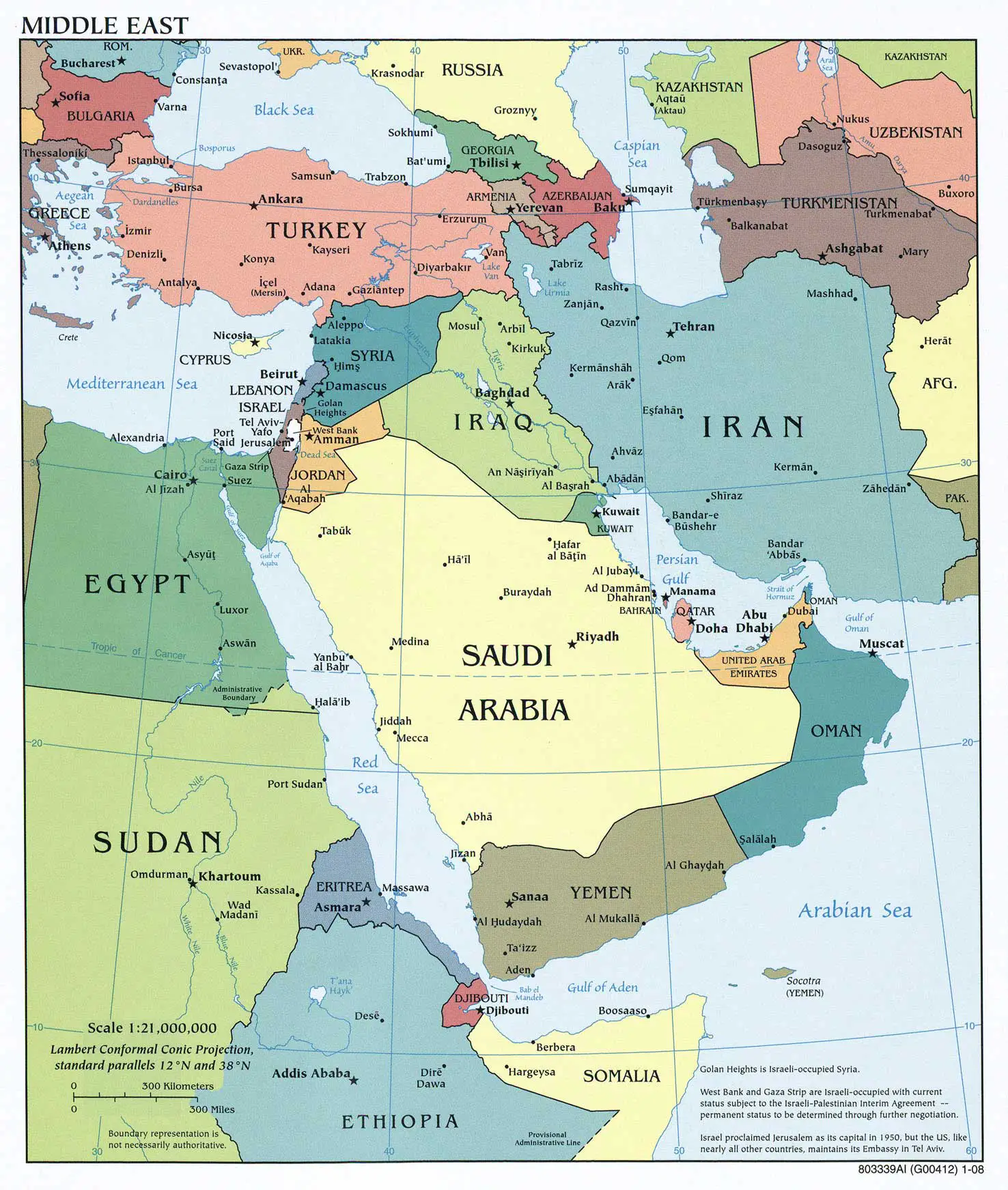
Beyond diplomatic boycotts, security has been a constant concern when conflicts loom. During the 2006 World Cup in Germany, the global political climate was heavily influenced by the aftermath of the 2003 invasion of Iraq and ongoing security challenges in the Middle East. Authorities implemented unprecedented security measures to protect teams and fans, according to reports from the New York Times. These measures highlighted the logistical reality of hosting a massive, high-profile event in a world where transnational threats remain a primary concern for host governments.
The 2018 World Cup in Russia also occurred against a backdrop of heightened tension between the host nation and several Western countries. Following the poisoning of Sergei Skripal in the United Kingdom in March 2018, several nations considered diplomatic boycotts of the tournament, though the teams themselves ultimately competed, as noted by the BBC. The event showcased the difficulty of balancing international sanctions with the commitments required by FIFA’s hosting contracts.
The Evolution of FIFA’s Neutrality Policy
FIFA has historically maintained a stance of political neutrality, often citing its statutes to avoid direct involvement in the domestic or international conflicts of member nations. However, the organization’s actions in recent years suggest a shift toward more active intervention when global norms are significantly challenged. According to the FIFA Statutes, the organization explicitly prohibits discrimination and promotes human rights, though the application of these rules remains a subject of intense debate among human rights organizations and football associations.
The challenge for future tournaments lies in the increasing pressure on athletes and teams to take a stand. As social media and global connectivity make the impact of war more visible to fans worldwide, the expectation for sports organizations to provide a moral response has grown. This tension between the “game” and the “geopolitics” remains one of the most complex aspects of modern international sport.
Looking Ahead: Future Tournaments
As preparations continue for the 2026 World Cup, to be hosted by the United States, Canada, and Mexico, the interplay between global conflict and sports will likely remain a focal point for international observers. FIFA’s next official update regarding participant eligibility and security protocols for the upcoming cycle is expected to be released during the next session of the FIFA Council, typically held in conjunction with major qualifying milestones. Readers are encouraged to monitor the official FIFA portal for updates on tournament regulations and to engage in the ongoing discussion regarding the role of sports in a polarized world.
Worth a look