

The global landscape shifted fundamentally in 2020, not merely because of a biological threat, but because the COVID-19 pandemic acted as a diagnostic tool for the world’s existing power structures. While the immediate crisis was medical, the aftermath has revealed a persistent and rigid architecture of global hegemony that continues to dictate the flow of resources, the narrative of recovery, and the nature of geopolitical conflict.
For many in the Global South, the pandemic was not an equalizer but a magnifier of systemic inequality. The disparity in healthcare access, the hoarding of life-saving technologies, and the uneven economic recovery have underscored a reality that scholars and policymakers are now grappling with: the era of Western-centric dominance did not end with the pandemic; in many ways, it has evolved into a more complex and contested form of power.
Christopher Ryan Mabuloq, an Associate Professor of Philosophy at Ateneo de Davao University in the Philippines, argues that the response to the pandemic exposed a deep-seated Western-centric mindset. According to this perspective, the global crisis highlighted a resource gap that was not accidental, but rather a byproduct of a world order designed to prioritize the stability and security of a few powerful nations over the collective survival of the global population.
This tension between the “Global North” and the “Global South” has now transitioned from the realm of public health into the arena of high-stakes geopolitics. As the world navigates the ripples of the pandemic and the ongoing volatility of conflicts such as the war in Ukraine, the question of who defines the “international order” has become the central conflict of the 21st century.
The Pandemic Mirror: Exposing Vaccine Nationalism and Resource Gaps
The most visible manifestation of global hegemony during the pandemic was the phenomenon of “vaccine nationalism.” While the scientific community achieved unprecedented speed in developing vaccines, the distribution of those doses mirrored historical patterns of colonial-era resource extraction and hoarding. High-income countries secured the vast majority of early doses through bilateral agreements with pharmaceutical companies, often purchasing far more than their populations required.
According to data from the World Health Organization (WHO), the disparity was stark: by the end of 2021, while some high-income nations had reached vaccination rates where boosters were being administered to healthy young adults, many low-income countries had not yet reached a 10% vaccination rate for their most vulnerable populations. This gap was not a failure of logistics, but a failure of political will and a reflection of a world where market power outweighs humanitarian necessity.
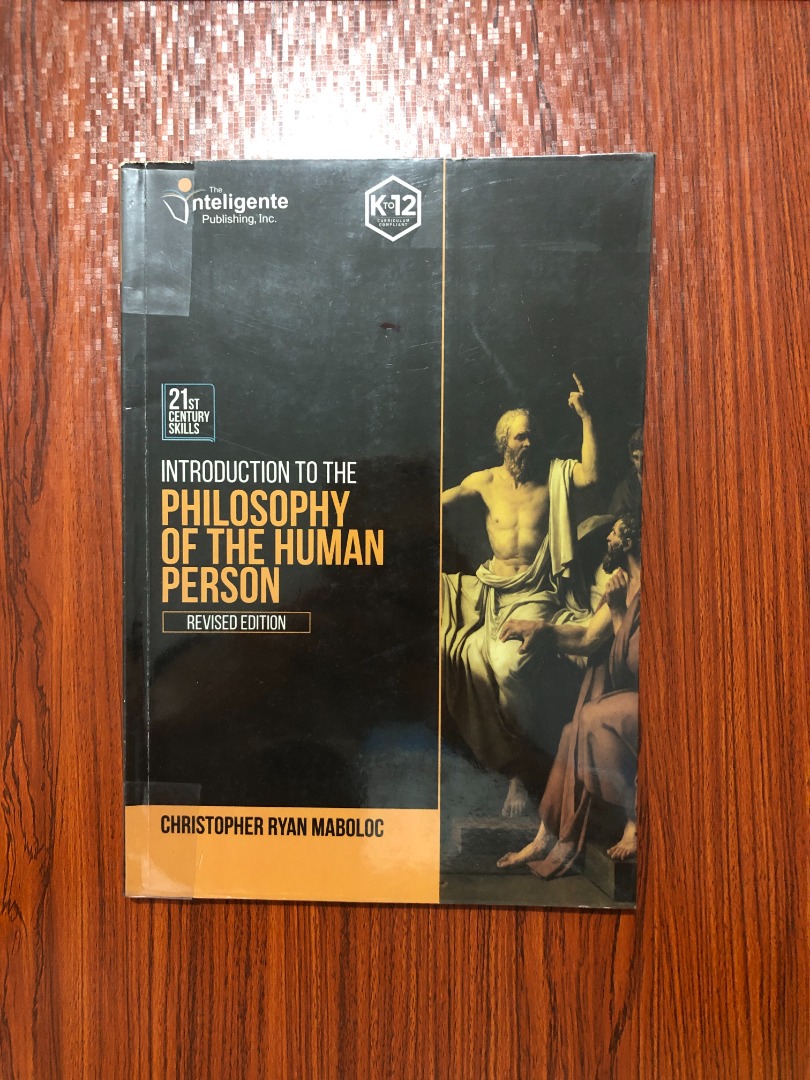
This resource disparity served as a practical demonstration of the “hegemony” discussed by Professor Mabuloq. In political philosophy, hegemony refers not just to the ability to coerce others through force, but to the ability to project a particular worldview as the “natural” or “universal” order. During the pandemic, the “universal” order was one where intellectual property rights for vaccines—protected by the TRIPS agreement under the World Trade Organization—were prioritized over the immediate need to save millions of lives in the Global South.
The refusal of several Western nations to support a temporary waiver on these patents, despite pleas from the WHO and numerous developing nations, illustrated that the mechanisms of global governance are often calibrated to protect the economic interests of the hegemon rather than the collective security of the planet.
The Philosophical Divide: Challenging Western-Centric Thinking
At the heart of this systemic inequality is what Mabuloq identifies as Western-centric thinking. This mindset operates on the assumption that the values, political systems, and economic models of the West are the gold standard to which all other nations must aspire. When this framework is applied to global crises, it often results in “top-down” solutions that ignore the local realities, cultural nuances, and specific needs of non-Western societies.
The pandemic response was frequently characterized by this approach. International aid was often conditional or structured in a way that reinforced the dependency of the Global South on Western institutions. Instead of fostering a truly multipolar system of medical production—where Africa, Southeast Asia, and Latin America would have the autonomous capacity to manufacture vaccines—the prevailing model remained one of charity and donation.
This “charity model” is a key component of maintaining hegemony. By positioning themselves as the benevolent providers of aid, dominant powers can maintain a moral high ground while avoiding the structural changes (such as technology transfers or debt forgiveness) that would actually empower developing nations to be self-sufficient. This dynamic ensures that the hierarchy of power remains intact even while the hegemon appears to be acting altruistically.
Challenging this mindset requires more than just a redistribution of resources; it requires a “decolonization” of global thought. This involves recognizing that We find multiple valid ways of organizing society and managing crises, and that the “universal” solutions proposed by the West are often specific to the historical and economic conditions of those nations.
From Health Crises to Geopolitical Conflict: The Ukraine Parallel
The transition from the pandemic to current geopolitical conflicts, most notably the war in Ukraine, reveals how the logic of hegemony continues to operate. The global response to the invasion of Ukraine has once again highlighted a double standard in how “international law” and “sovereignty” are applied depending on the strategic interests of the dominant powers.
Observers in the Global South have noted a striking contrast between the speed and scale of Western mobilization to support Ukraine and the relative indifference or delayed response to conflicts in Yemen, Ethiopia, or the Democratic Republic of the Congo. While the violation of sovereignty in Ukraine is rightly condemned, the selective application of these principles suggests that the “rules-based international order” is often a tool used by the hegemon to maintain its sphere of influence rather than a consistent legal framework.
the economic fallout of the Ukraine conflict—specifically the surge in food and energy prices—has disproportionately affected the same nations that suffered most during the pandemic. The disruption of grain exports from the Black Sea region pushed millions in Africa and Asia toward food insecurity, demonstrating that the Global South remains a peripheral casualty in the power struggles of the “Great Powers.”
This pattern confirms Mabuloq’s assertion that the era of hegemony is not ending but is instead shifting. The conflict is no longer just about one superpower versus another, but about the struggle of the periphery to survive and find agency in a world where the core still controls the levers of finance, technology, and diplomacy.
Toward a Multipolar World: What Happens Next?
The persistence of hegemony post-pandemic has sparked a growing movement toward “multipolarity.” This is the idea that global power should be distributed among multiple centers of influence, reflecting the actual economic and demographic realities of the 21st century. The rise of blocs like BRICS (Brazil, Russia, India, China, and South Africa, recently expanded to include others) is a direct response to the perceived failures of the Western-led order.
A truly multipolar world would require a fundamental shift in how global institutions operate. Key changes would include:

- Democratization of Global Governance: Reforming the UN Security Council and the IMF to give more voting power and representation to the Global South.
- Technology Sovereignty: Moving away from intellectual property regimes that block the production of essential medicines and green technologies in developing nations.
- Diversified Economic Networks: Reducing the reliance on a single reserve currency or a single financial system that can be used as a tool of political coercion.
- Pluralistic Diplomacy: Shifting from a “donor-recipient” relationship to a “partnership of equals” based on mutual respect for different political and cultural models.
The path to this new order is fraught with tension. The existing hegemon rarely relinquishes power voluntarily, and the emerging powers often bring their own versions of dominance. However, the lessons of the pandemic make it clear that the old model of a single-centered world is not only unjust but dangerous. In a hyper-connected world, a crisis in one region—whether a virus or a war—quickly becomes a global catastrophe if the response is dictated by the interests of a few rather than the needs of the many.
Key Takeaways on Global Hegemony Post-Pandemic
| Feature | Hegemonic Model (Western-Centric) | Multipolar Model (Decentralized) |
|---|---|---|
| Resource Distribution | Market-driven; prioritized by the “Core” nations. | Needs-based; localized production and autonomy. |
| Crisis Management | Top-down solutions; conditional aid. | Collaborative; respect for local context. |
| International Law | Selective application based on strategic interest. | Consistent application across all sovereign states. |
| Knowledge/Tech | Protected by strict IP and patent laws. | Open-source or shared for global public goods. |
As the world continues to recover from the pandemic and navigate an increasingly fragmented geopolitical landscape, the insights provided by scholars like Christopher Ryan Mabuloq serve as a necessary reminder. The “end of the pandemic” was not a return to the status quo, but the beginning of a critical reckoning with how power is distributed on Earth.
The next major checkpoint for this global shift will be the upcoming series of UN General Assembly meetings and the continuing negotiations regarding the “Pandemic Treaty,” which aims to create a legally binding framework for more equitable resource sharing in future health crises. Whether this treaty results in genuine structural change or remains a performative gesture will be the ultimate test of whether the world is moving toward a more just, multipolar future.
Do you believe the current global order is capable of reforming itself, or is a total systemic shift inevitable? Share your thoughts in the comments below and join the conversation on the future of global diplomacy.