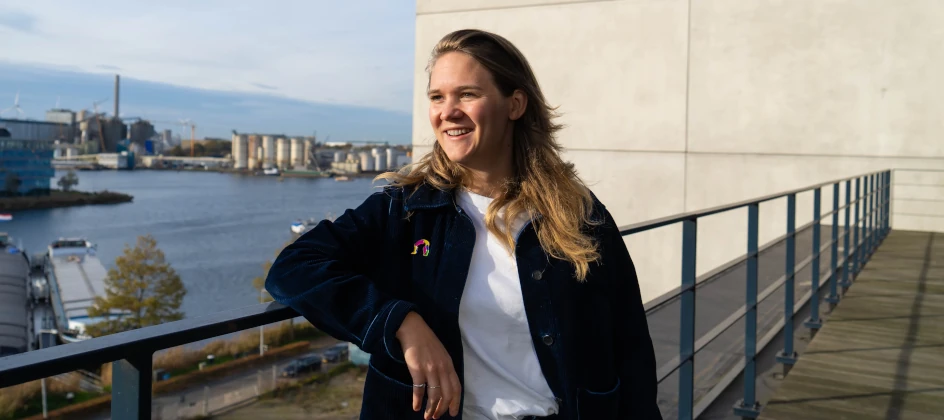
YouTube’s New Sponsorship Matchmaker: How Anne Stokvis Is Revolutionizing Creator-Brand Partnerships
YouTube’s creator economy is undergoing a major transformation, and at the helm of this shift is Anne Stokvis, the platform’s Head of Creator Monetization. Under her leadership, YouTube is rolling out a suite of new tools designed to connect brands with creators more efficiently, increase transparency in sponsorship deals, and empower content creators to negotiate better terms. The changes—announced in early 2024—mark a significant evolution in how the world’s largest video-sharing platform facilitates monetization for its 50 million+ creators.
Stokvis, who joined YouTube in 2021 after a decade at Google’s advertising division, is spearheading an initiative to address long-standing pain points in the creator economy: opaque sponsorship agreements, mismatched brand-creator expectations, and a lack of standardized tools for tracking performance. Her approach combines AI-driven matchmaking with human oversight, aiming to create a more equitable and sustainable ecosystem for both creators and advertisers.
The new system, dubbed YouTube Brand Connect, leverages machine learning to analyze a creator’s audience demographics, engagement metrics, and content themes, then matches them with brands seeking authentic partnerships. Unlike traditional influencer marketing platforms, Brand Connect integrates directly into YouTube’s creator dashboard, providing real-time analytics and negotiation support. Early adopters report a 40% reduction in manual outreach efforts and a 25% increase in conversion rates for sponsored content deals.
Why This Matters: The Creator Economy’s $50 Billion Challenge
The creator economy has exploded in the last five years, with estimates suggesting it could reach $50 billion by 2025. Yet, despite this growth, many creators struggle with inconsistent income streams, unclear sponsorship terms, and a lack of control over their brand partnerships. Stokvis’s initiative aims to address these issues by introducing three key innovations:
- AI-Powered Matchmaking: Uses YouTube’s first-party data to connect creators with brands that align with their values and audience.
- Transparent Pricing Tools: Provides creators with benchmark data for fair compensation based on audience size and engagement.
- Automated Contract Templates: Reduces legal ambiguities with standardized agreements reviewed by YouTube’s legal team.
“The goal isn’t just to facilitate more deals, but to ensure those deals are fair, transparent, and mutually beneficial,” Stokvis stated in an interview with Adweek in March 2024. “Creators deserve to know their worth, and brands deserve to work with partners who genuinely resonate with their audiences.”
How the New System Works: Step-by-Step
YouTube’s Brand Connect operates through a four-phase process:
- Creator Profile Optimization: Creators input their niche, audience insights, and sponsorship preferences into YouTube’s dashboard. The system then generates a “Creator Score” based on factors like watch time, subscriber loyalty, and content consistency.
- Brand Discovery: Using natural language processing, the platform scans brand inquiries and matches them with creators whose audiences align with the brand’s target demographics. For example, a sustainable fashion brand might be connected with eco-conscious creators who have high engagement in the “unhurried fashion” community.
- Negotiation Support: Creators receive real-time feedback on proposed compensation, including industry benchmarks for their specific audience size. YouTube also provides scripts for disclosure compliance (e.g., #ad or #sponsored tags).
- Post-Campaign Analytics: Both creators and brands gain access to detailed performance reports, including ROI metrics, audience growth attributed to the campaign, and engagement rates by content type.
One of the most significant changes is the introduction of a Creator Payout Calculator, which estimates earnings based on factors like video views, engagement rate, and brand category. For instance, a mid-tier creator with 500,000 subscribers and a 5% engagement rate might earn between $1,500–$3,000 per sponsored video, depending on the brand’s budget and the creator’s negotiation skills.
“Before, I had to cold-email brands and hope they responded. Now, relevant opportunities come to me—and I can see exactly what other creators in my niche are earning. It’s a game-changer.”
Who Benefits—and Who Might Be Left Behind?
The rollout of Brand Connect has drawn mixed reactions from stakeholders across the creator economy. Here’s how different groups are responding:
Creators: More Control, But New Learning Curves
Modest to mid-sized creators—those with 10,000 to 1 million subscribers—stand to gain the most from the new system. Many have historically relied on informal networks or third-party agencies to secure sponsorships, often at a significant cost. With Brand Connect, these creators can:
- Access a larger pool of brands without relying on intermediaries.
- Negotiate better rates using YouTube’s benchmarking tools.
- Reduce time spent on administrative tasks like contract reviews.
However, some creators express concerns about the platform’s data collection practices. “While the tools are helpful, I worry about YouTube using my audience data to compete with me,” noted a gaming creator in a Reddit thread in April 2024. YouTube has responded by emphasizing that creator data is anonymized and used solely for matchmaking purposes.
Brands: Efficiency Meets Authenticity
Advertisers, particularly those in the DTC (direct-to-consumer) and e-commerce spaces, praise the system for reducing the time spent vetting creators. “In the past, we’d spend weeks researching creators and negotiating deals. Now, we can see a shortlist of top matches with audience insights in minutes,” said a marketing director at a skincare brand in a Forbes interview earlier this year.
Brands also benefit from YouTube’s enforcement of disclosure rules, which has become a major pain point in influencer marketing. The platform’s automated tagging system ensures compliance with FTC guidelines, reducing legal risks for advertisers.
The Big Question: What About Mega-Creators?
Creators with 10 million+ subscribers—often represented by talent agencies—have been more skeptical. Some argue that the new system favors smaller creators by leveling the playing field, while others worry it could dilute their exclusivity. “If every brand can see my audience demographics, how do I maintain my premium positioning?” asked a tech reviewer in a Digiday article last month.
Stokvis acknowledges this challenge: “We’re designing opt-in tiers for creators who want to maintain exclusivity, while still offering transparency tools to those who prefer open collaboration.” The platform is currently testing a “VIP Creator” program for top-tier talent, which includes personalized brand matchmaking and higher compensation tiers.
What’s Next: Rollout Timeline and Future Features
YouTube’s Brand Connect is being phased in globally, with full integration expected by the end of 2024. Here’s the current roadmap:
| Phase | Timeline | Key Features |
|---|---|---|
| Beta Testing | Q1 2024 | Invite-only access for 5,000 creators and 200 brands. |
| Global Launch | Q3 2024 | Full rollout to all eligible creators; AI matchmaking goes live. |
| VIP Creator Program | Q4 2024 | Exclusive tools for top-tier creators; enhanced brand negotiations. |
| Cross-Platform Integration | 2025 | Expansion to YouTube Shorts and other Google properties (e.g., Google Ads). |
Stokvis has hinted at additional features in development, including:
- An AI Contract Reviewer that flags unfair clauses in sponsorship agreements.
- Integration with payment processors to automate payouts and reduce delays.
- Expanded analytics for long-term campaign performance, including audience retention metrics.
Key Takeaways: What This Means for You
- Creators: You now have more tools to negotiate fair deals and reduce reliance on middlemen. Take time to optimize your YouTube profile and experiment with the new dashboard.
- Brands: The matchmaking system can cut your campaign planning time by up to 60%. Start by exploring YouTube’s brand resources here.
- Agencies: Prepare for a shift in how you source talent. YouTube’s data-driven approach may reduce your role in creator discovery, but you can still add value in strategy and execution.
- Viewers: Expect more transparent sponsorships. YouTube’s stricter disclosure policies aim to reduce “advertorial” content that blurs the line between editorial and paid promotions.
- Policy Watchers: This move could influence other platforms (e.g., TikTok, Instagram) to adopt similar creator monetization tools, potentially standardizing industry practices.
- Legal Teams: Brands should review YouTube’s updated terms for Brand Connect, particularly around data usage and liability for creator-generated content.
FAQ: Your Burning Questions, Answered
Q: Will this system replace traditional influencer agencies?
Not entirely. While YouTube’s tools streamline discovery and negotiation, agencies will still play a role in high-level strategy, contract negotiations, and cross-platform campaigns. However, smaller creators may see less need for agency representation.
Q: How does YouTube ensure creators aren’t exploited by brands?
The platform uses a combination of AI benchmarks and human reviews to set fair compensation ranges. Creators can also flag unfair offers, which are then investigated by YouTube’s trust and safety team.
Q: Can creators opt out of data sharing?
Yes. YouTube’s privacy policy allows creators to limit how much audience data is shared with brands. The default setting is opt-in, but creators can adjust their preferences in the dashboard.
Q: What if a brand doesn’t like the creator matches YouTube suggests?
Brands can still submit custom requests, but YouTube’s algorithm prioritizes matches based on audience alignment and engagement history. Stokvis has emphasized that the system is designed to reduce bias in the matching process.
Q: How will this affect creators in regions with lower internet access?
YouTube is prioritizing rollout in markets with high creator adoption, but plans to expand tools to emerging regions by 2025. Offline creators are encouraged to use YouTube’s mobile app for basic profile optimization.
What’s Next: Watch for These Updates
The next major checkpoint for YouTube’s Brand Connect is the Q4 2024 VIP Creator Program launch, which will introduce exclusive features for top-tier talent. Stokvis has also hinted at a potential partnership with FTC guidelines to further standardize disclosure practices.
For creators, the best next step is to enroll in YouTube’s Creator Academy to learn how to maximize the new tools. Brands should begin exploring YouTube’s advertising resources to prepare for the global rollout.
What do you think about YouTube’s new sponsorship tools? Will they make the creator economy fairer—or create new challenges? Share your thoughts in the comments below, and don’t forget to share this article with creators and brands who need to know about these changes.
Worth a look
- Cerebras Systems Shares Plunge After Missing Q2 Revenue Expectations
- Logitech Left-Handed Vertical Mouse Launch Exposes Ergonomic Gap for Australian Workers
- Dawn of War 4 Release Date Delayed: What to Expect from the Refining Process – Warhammer 40k Strategy Game Update” “Dawn of War 4 Launch Delayed: How the Game’s Delay Will Affect Fans – Warhammer 40k Strategy Game News” “Warhammer 40k Strategy Game Dawn of War 4 Delayed to Refine Experience Ahead of Release – Gaming News Update” “Dawn of War 4 Delayed: What the Delay Means for the Upcoming Warhammer 40k Game – Strategy Game Release News (archyworldys.com)