In the evolving landscape of reproductive healthcare, the intersection of clinical practice and legislative change has become increasingly complex. Since the Supreme Court’s 2022 decision in Dobbs v. Jackson Women’s Health Organization, which overturned the federal constitutional right to an abortion, healthcare providers across the United States have navigated a shifting regulatory environment. A primary concern for medical professionals and patients alike is how these state-level restrictions impact the standard of care for pregnancy complications, specifically miscarriage management.
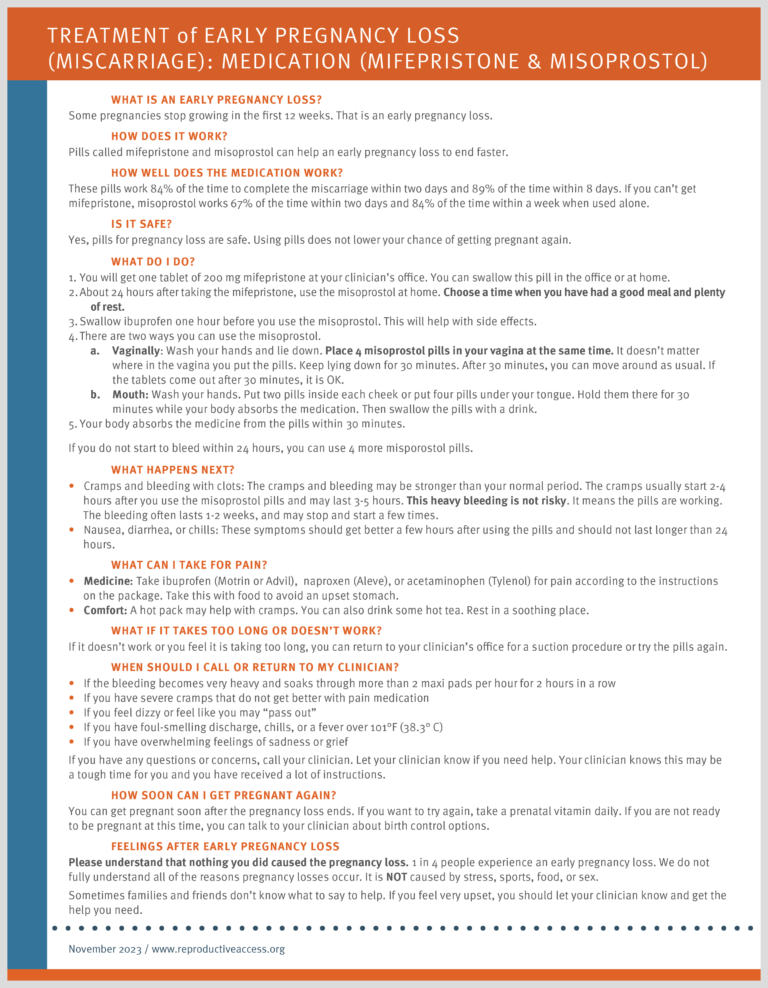
For clinicians, evidence-based miscarriage treatment often involves the same medications used in induced abortion, most notably mifepristone. As states enact varying restrictions, the clinical application of these essential therapies has faced new scrutiny, leading to significant shifts in how hospitals and clinics approach the treatment of spontaneous pregnancy loss. Understanding the impact of these policies on patient care is a critical public health priority as the legal environment continues to fluctuate.
The Clinical Standard for Miscarriage Management
The management of a miscarriage—clinically referred to as a spontaneous abortion—is a standard procedure in obstetrics and gynecology. According to the World Health Organization, comprehensive abortion care, which includes the management of miscarriage and pregnancy loss, is a fundamental component of essential health services. When a pregnancy ends prematurely, medical professionals must often facilitate the completion of the process to prevent infection, hemorrhage, and other life-threatening complications. This is frequently achieved through a combination of mifepristone and misoprostol, or through surgical intervention.
The World Health Organization notes that when care is inaccessible, timely, or safe, it presents a significant human rights and public health challenge. The clinical efficacy of these medications is well-documented, and they are widely considered the gold standard for non-surgical miscarriage management. However, in states where strict abortion bans are in effect, the legal ambiguity surrounding the use of these medications has created a “chilling effect,” where providers may fear legal repercussions for administering drugs that are also classified as abortifacients.
Navigating Legal Ambiguity in Clinical Settings
The post-Dobbs environment has introduced a layer of legal risk that many physicians previously did not have to consider when treating a patient experiencing a miscarriage. While many state laws include exceptions for the life of the mother or for the treatment of miscarriage, the practical application of these exceptions remains fraught with uncertainty. Physicians often report that the fear of criminal prosecution or loss of licensure influences their decision-making process, leading some to delay care or transfer patients to facilities in states with different legal frameworks.
This trend away from evidence-based, medication-led miscarriage management in states with bans is a subject of ongoing concern for medical associations. The Supreme Court decision in Dobbs (June 24, 2022) did not explicitly ban miscarriage care, yet the resulting state-level legislation has created a climate where the line between “induced abortion” and “miscarriage management” is increasingly blurred in the eyes of law enforcement and hospital legal departments.
The Impact on Patient Outcomes
When the standard of care is compromised, the primary victims are patients who face increased physical and emotional burdens. Delayed treatment for miscarriage can lead to severe health complications, including sepsis and heavy blood loss. The World Health Organization emphasizes that approximately 45% of all abortions worldwide are considered unsafe, and that lack of access to quality care remains a leading cause of maternal mortality and morbidity. By restricting the tools available to treat spontaneous pregnancy loss, state-level bans may inadvertently increase the incidence of these preventable health crises.

the logistical burden of seeking care in a different state—often referred to as “abortion tourism”—is not an option for many patients who lack the time, financial resources, or support systems to travel. This creates a two-tiered system where the quality of emergency medical care is dictated by the patient’s zip code.
Looking Ahead: The Role of Legal and Medical Advocacy
As we monitor these developments from my perspective here in Berlin, the situation in the United States is far from settled. Legal challenges to state abortion bans are active in multiple jurisdictions, and the judiciary continues to weigh in on the availability of medication. For instance, the Supreme Court has recently acted to preserve access to mifepristone through pharmacies and mail services while litigation proceeds, signaling that the legal battle over these medications is far from over.

For patients and providers, the next major checkpoints will involve further rulings from lower courts regarding state-specific bans and the potential for federal guidance that might clarify the scope of medical exceptions. Staying informed through official court filings and reputable medical association advisories is essential for those navigating this landscape.
As this situation remains fluid, I encourage our readers to share their thoughts or experiences with how local healthcare systems are adapting to these regulations. Your engagement helps us continue to track the real-world impact of these policies on public health.
Worth a look