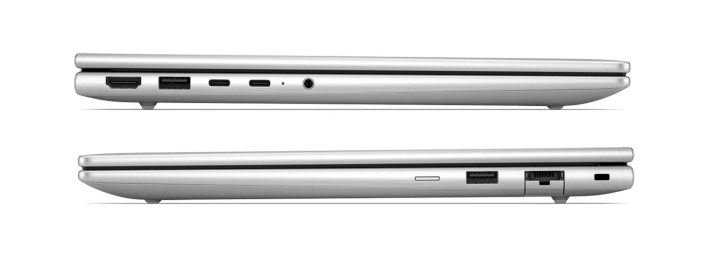
The personal computing landscape is currently undergoing its most significant architectural shift in over a decade. We are moving past the era of raw CPU clock speeds and into the era of the Neural Processing Unit (NPU). As artificial intelligence moves from cloud-based servers directly onto our local hardware, the industry is bracing for a massive hardware refresh cycle. Leading this charge is HP, which is signaling a major strategic pivot through its new branding and high-performance silicon integrations.
While recent industry discussions and leaks—centered around upcoming showcases like COMPUTEX—point toward a significant expansion of HP’s AI-capable lineup, the core story is the convergence of specialized silicon and intelligent software. From the premium OmniBook series to the emergence of high-performance Mini AI PCs, the hardware being prepared for the 2025-2026 cycle is designed to do more than just run applications; it is designed to act as a local agent for the user.
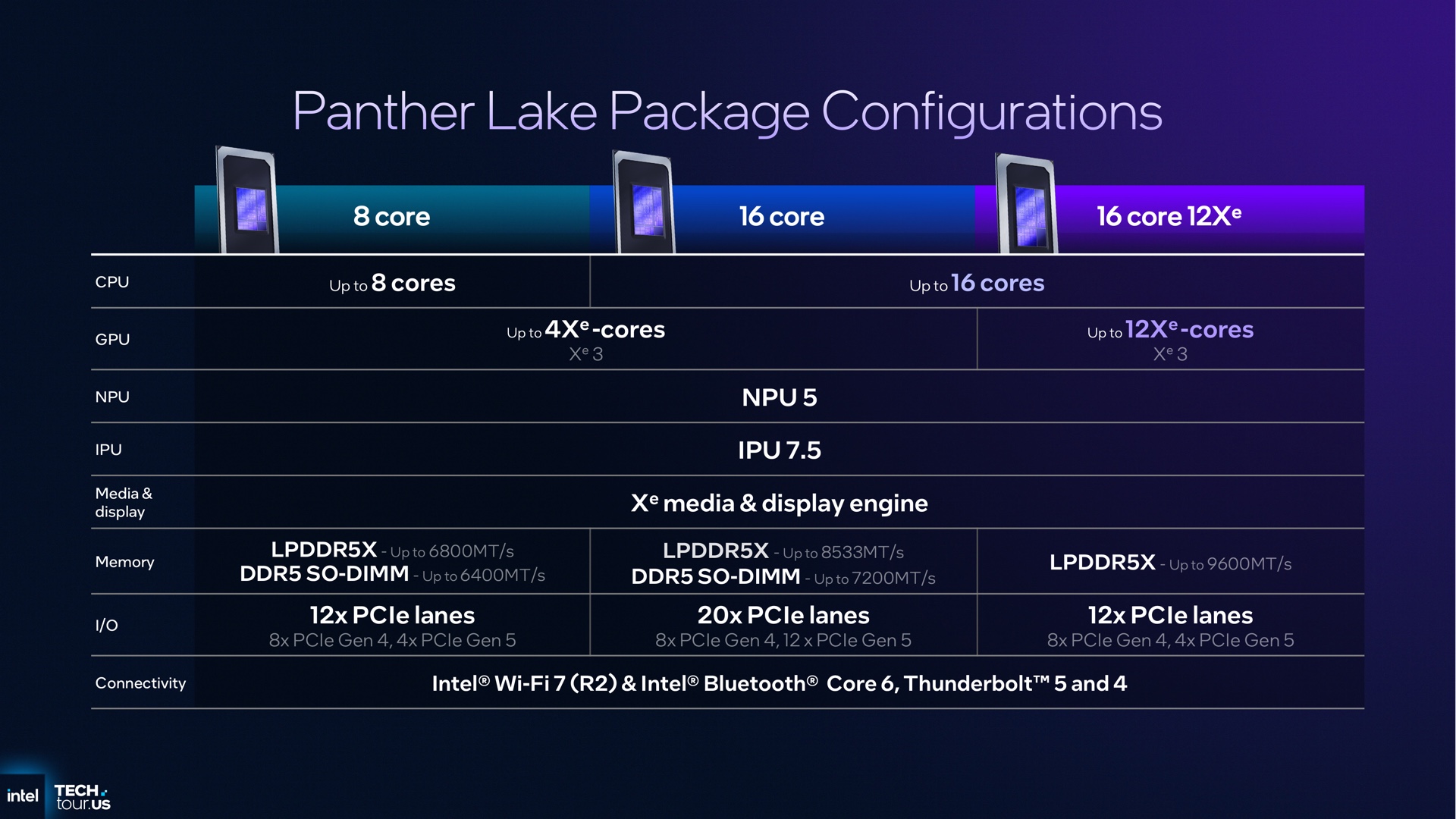
At the heart of this transition is the anticipated integration of Intel’s next-generation architectures. As we look toward the deployment of Intel Panther Lake and the Battlemage graphics architecture, the implications for mobile and desktop computing are profound. For consumers and enterprise professionals alike, the question is no longer “how fast is my computer?” but rather “how much intelligence can my computer process locally?”
HP’s Strategic Pivot: The OmniBook Rebranding and the AI PC Era
One of the most notable shifts in the recent HP roadmap is the streamlining of its consumer identity. HP has begun moving away from its traditional, sometimes fragmented, sub-branding (such as Spectre and Envy) in favor of the OmniBook moniker. This rebranding isn’t merely cosmetic; it represents a fundamental change in how the company categorizes its hardware. The OmniBook line is being positioned as the flagship for “AI PCs”—machines that meet specific hardware requirements to support advanced, locally-executed AI tasks.
This shift aligns with a broader industry trend where manufacturers are defining a new class of device. An “AI PC” is characterized by a high-performance NPU capable of delivering significant TOPS (Trillions of Operations Per Second). This allows for features like real-time video background effects, advanced noise cancellation, and local large language model (LLM) assistance without the latency or privacy concerns associated with sending data to the cloud.
In the professional sector, HP continues to iterate on its venerable ProBook series. While the consumer-facing OmniBook focuses on lifestyle and AI integration, the ProBook series remains the backbone of enterprise stability. Reports regarding new ProBook iterations suggest a focus on diverse specifications to meet varying budgetary and performance needs, though the premium nature of these new AI-ready components is expected to drive up the baseline cost of high-end business machines.
Under the Hood: Intel Panther Lake and the Battlemage Graphics Leap
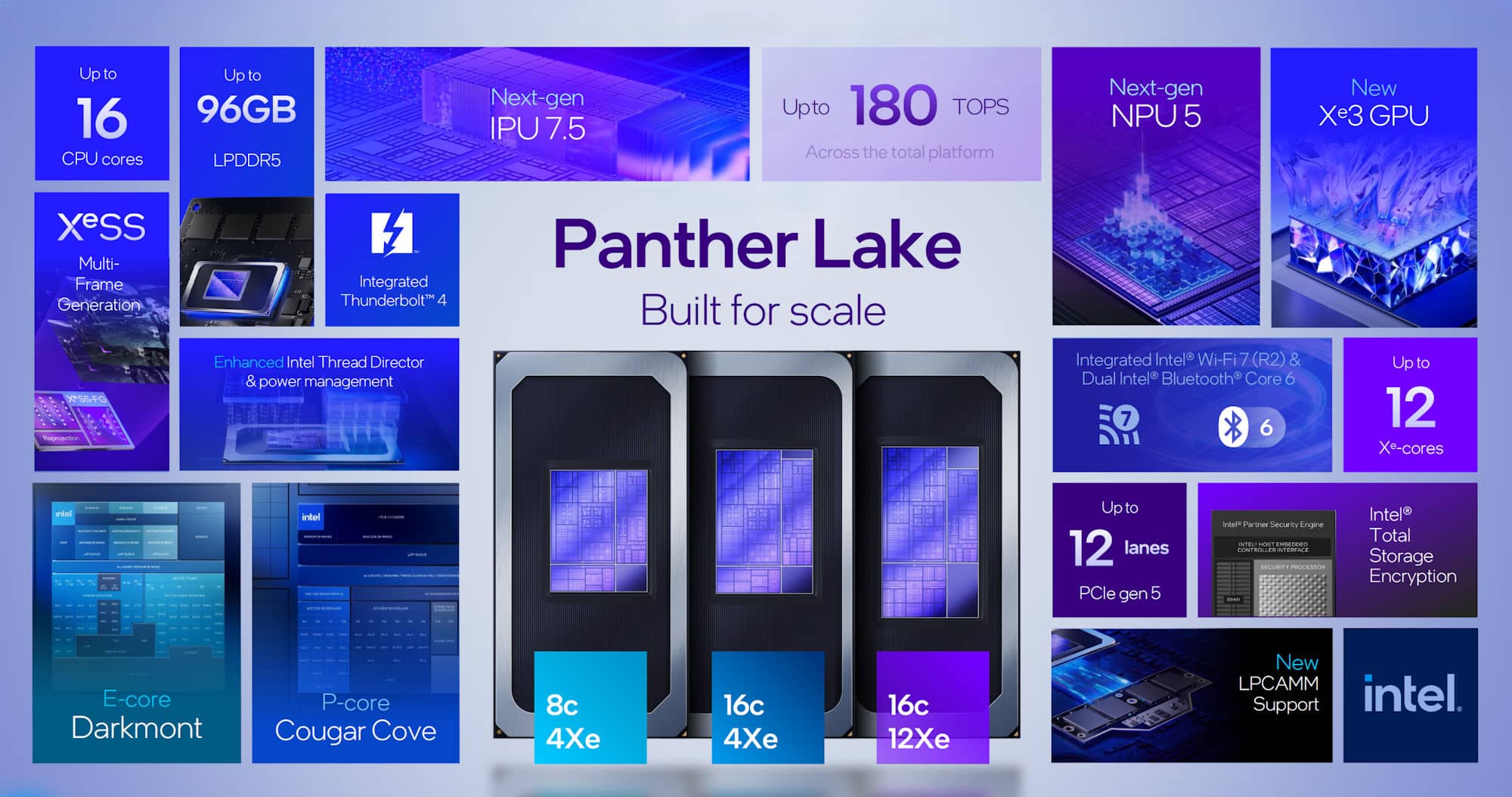
To understand why HP is making these moves, we have to look at the silicon driving the evolution. The upcoming Intel Panther Lake architecture is expected to be a watershed moment for mobile computing. Following the efficiency-focused Lunar Lake architecture, Panther Lake is rumored to utilize Intel’s advanced 18A process node, which is critical for balancing the intense computational demands of AI with the strict thermal and battery constraints of a laptop chassis.
The significance of Panther Lake lies in its NPU capabilities. For the first time, the NPU is not an afterthought; it is a primary pillar of the chip’s design. This allows for a much tighter integration between the CPU, GPU, and NPU, enabling “heterogeneous computing.” In practical terms, this means your laptop can intelligently decide whether a task—like generating an image or summarizing a meeting—should be handled by the power-efficient NPU or the high-performance CPU, drastically extending battery life during AI-heavy workflows.
Complementing this processing power is the next leap in integrated graphics: Intel Arc Battlemage. The B-series graphics, such as the anticipated Arc B390, represent a significant step forward in the “Battlemage” architecture. For thin-and-light laptops like the OmniBook series, this is a game-changer. Higher-performance integrated graphics mean that users can engage in light creative work, such as 4K video editing and 3D modeling, without the weight and cost of a dedicated discrete GPU. This convergence of high-speed graphics and high-efficiency AI processing is what will define the premium laptop market in the coming years.
The Rise of the Mini AI PC: Compact Power and the OmniDesk Concept
While laptops dominate the mobile conversation, a secondary revolution is occurring in the desktop space: the rise of the Mini AI PC. The concept of the “OmniDesk”—a compact, high-performance desktop optimized for AI—reflects a growing demand for powerful, unobtrusive computing solutions. These devices are designed to provide the computational “muscle” required for AI development and heavy multitasking while maintaining a minimal physical footprint.
These Mini AI PCs are expected to leverage Intel Core Ultra processors, which are already setting the standard for integrated AI performance in desktop environments. By utilizing technologies like Thunderbolt Share, these compact machines can act as powerful hubs, connecting to high-speed storage, external displays, and even other computing devices with unprecedented bandwidth. This makes them ideal for modern “hybrid” workstations where space is at a premium, but performance cannot be compromised.
The move toward Mini AI PCs also addresses a growing niche in the market: the professional who needs a dedicated, high-reliability AI engine for local data processing, whether for software development, data science, or advanced content creation, without the need for a traditional, sprawling tower PC.
What This Means for the Consumer and Professional Markets
As these technologies hit the market, several key trends will emerge that users should prepare for:
- Premium Pricing for Intelligence: The integration of advanced nodes like Intel 18A and high-performance NPUs will likely result in higher entry prices for flagship AI-enabled devices. Consumers will need to weigh the cost of these machines against the actual utility of the AI features they intend to use.
- Local vs. Cloud Paradigms: We will see a clear distinction between “cloud-dependent” devices and “AI PCs.” The latter will offer better privacy, lower latency, and the ability to function in offline environments, making them superior for sensitive enterprise work.
- Battery Life as a Performance Metric: In the AI era, performance will be measured not just by how fast a task is completed, but by how much energy it consumes. The efficiency of the NPU will become as important as the speed of the CPU.
For businesses, the transition to AI PCs represents a significant lifecycle management challenge. Upgrading a fleet of laptops to support local AI requires careful planning regarding both budget and the specific NPU requirements of the software tools the company utilizes.
Key Takeaways: The Future of HP and AI Hardware
- Branding Shift: HP is consolidating its consumer identity under the OmniBook brand to highlight its AI-centric focus.
- Silicon Drivers: The next generation of hardware will be defined by Intel Panther Lake (processing) and Intel Arc Battlemage (graphics).
- New Form Factors: The “Mini AI PC” is emerging as a critical category for compact, high-performance desktop computing.
- NPU Centrality: The Neural Processing Unit is becoming as vital to laptop architecture as the CPU and GPU.
As we move closer to the official hardware rollouts and major industry events like COMPUTEX, the tech industry will be watching closely to see how HP and Intel execute this complex transition. The next major checkpoint for these technologies will be the detailed technical specifications and availability timelines expected to be released by Intel and HP in the coming quarters.
What do you think about the shift toward AI-integrated hardware? Are you ready to pay a premium for local AI capabilities, or do you prefer cloud-based solutions? Let us know in the comments below and share this article with your tech-savvy network!
- African Ministers Adopt Abuja Declaration and Launch ATLAS Umoja AI
- Matchbox The Movie: John Cena Stars in New Mattel Film Coming to Apple TV
- Trump Unveils $22.5 Billion Plan to Overhaul Dulles Airport Facilities (time.news)
- Montana Department of Justice Unveils New PSAs to Address State’s Missing Persons Cases (news-usa.today)