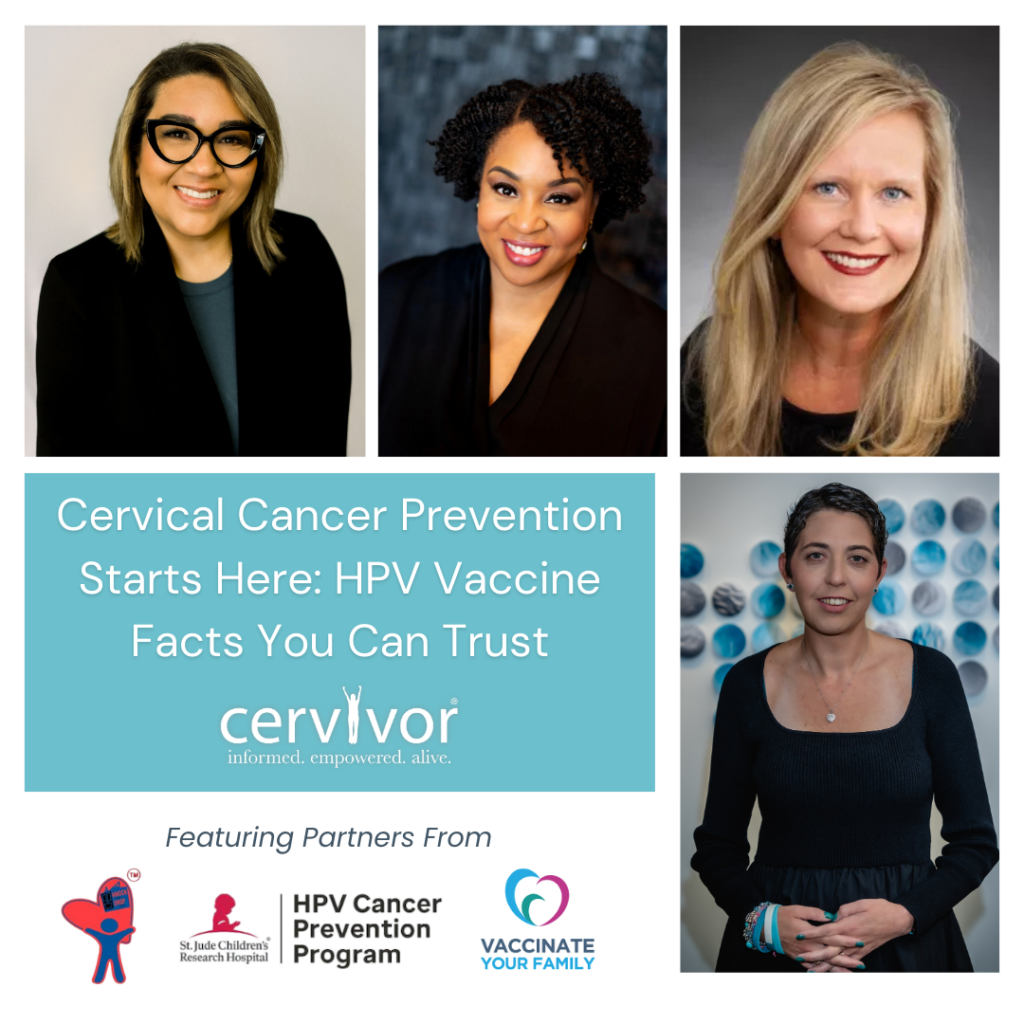
Public health initiatives focusing on HPV awareness and the prevention of cervical cancer remain a priority for medical professionals and community organizers globally. In the Netherlands, local discussions—such as those hosted by community platforms like Herberg Jan—serve as essential venues for disseminating evidence-based information regarding the Human Papillomavirus (HPV) and the importance of screening programs. These gatherings often bridge the gap between complex medical research and everyday health literacy, helping to clarify the link between persistent HPV infections and the development of cervical cancer.
According to the World Health Organization (WHO), HPV is the most common viral infection of the reproductive tract, and while most infections clear on their own, persistent high-risk types can lead to cervical cancer if left unmonitored (World Health Organization HPV Fact Sheet). Community-led educational sessions provide a vital space for citizens to ask questions about current vaccination schedules and the efficacy of standardized screening methods, such as the Pap smear, which remains a cornerstone of early detection.
Understanding the Role of HPV Vaccination and Screening
Medical experts emphasize that cervical cancer is largely preventable through a combination of vaccination and routine screening. The HPV vaccine is designed to protect against the specific strains of the virus most likely to cause cellular changes in the cervix. Data from the European Centre for Disease Prevention and Control (ECDC) indicates that high coverage rates for HPV vaccination are critical for reducing the long-term incidence of cervical pre-cancerous lesions (ECDC HPV Guidance).
For individuals who have not been vaccinated, or for those who belong to older age cohorts, regular screening remains the primary defense. In the Netherlands, the national screening program invites women to participate in tests that check for the presence of high-risk HPV. If the virus is detected, follow-up examinations are performed to monitor for any abnormal cell growth before it progresses to cancer. Understanding these protocols is a major focus for local health information meetings, as public awareness directly influences participation rates in national health programs.
The Importance of Community Health Dialogue
Why do community meetings like those held at Herberg Jan continue to be relevant in an era of digital information? For many, the ability to discuss health concerns in a localized, conversational setting reduces the anxiety associated with medical topics like oncology and viral infections. These sessions allow participants to hear from healthcare professionals in a non-clinical environment, where they can address common misconceptions about the virus, its transmission, and the safety of the vaccine.
Public health policy in the Netherlands is heavily supported by the RIVM (National Institute for Public Health and the Environment), which manages the national immunization program. The RIVM provides comprehensive resources on why the HPV vaccine was incorporated into the national schedule for both boys and girls, noting that broad coverage contributes to herd immunity, thereby protecting individuals who may be at higher risk for complications (RIVM HPV Information). When local groups facilitate these discussions, they reinforce the messages provided by national health authorities, making the information more accessible to the specific needs of the local population.
What Happens Next: Staying Informed
For those seeking accurate, up-to-date information regarding HPV, cervical cancer screening, or vaccination eligibility, the most reliable path is to consult official government health portals or primary care providers. National health authorities frequently update their guidance based on the latest clinical trials and epidemiological data. Residents in the Netherlands are encouraged to keep track of invitations from the national screening program and to discuss any specific health concerns with their general practitioner (huisarts).
As medical research continues to evolve, the focus on HPV elimination is intensifying. According to the European Commission, the goal of reducing the burden of cervical cancer is a shared responsibility, supported by rigorous monitoring and public education campaigns (European Commission Cancer Prevention). Engaging with local health initiatives ensures that residents remain empowered to take proactive steps in their own healthcare journeys.
We invite our readers to share their thoughts on the importance of community-led health education. How has your local community helped you better understand national health initiatives? Join the conversation in the comments section below.
Keep reading