The Remarkable Impact of the HPV Vaccine: Protecting a Generation adn Beyond
Human papillomavirus (HPV) is a surprisingly common virus, with most sexually active people contracting it at some point in their lives. While often harmless and clearing on its own, certain high-risk HPV types can lead to several cancers, including cervical, anal, and oropharyngeal (back of the throat) cancers. Fortunately, a highly effective vaccine is available, and recent research confirms its profound and lasting impact.
Understanding the HPV Vaccine & Its Evolution
Introduced in 2006, the HPV vaccine has undergone significant advancements. Early formulations – the 2-valent and 4-valent vaccines – targeted two and four of the most risky HPV types, respectively. Today, the 9-valent vaccine protects against nine high-risk HPV types, offering even broader protection.
Initially recommended for young women, the HPV vaccine is now universally recommended for everyone – regardless of gender or sexual orientation – starting at age 11-12. It can even be administered as early as age 9 and is now approved for individuals up to age 45.
Landmark Study Demonstrates Vaccine Effectiveness
Researchers at Albert Einstein College of Medicine recently conducted a comprehensive 17-year study (2006-2023) in Cincinnati, tracking HPV infection rates before and after vaccine introduction. The study involved young people aged 13-26 and revealed compelling results as vaccination rates climbed from 0% to 82%.
Here’s what they found:
* Dramatic Reduction in Targeted Infections: Infections from HPV types covered by the 2-valent vaccine plummeted by 98.4%. the 4-valent vaccine saw a 94.2% reduction, and the 9-valent vaccine showed a significant 75.7% decline.
* Vaccine is the Key Driver: Researchers confidently state thes reductions are directly attributable to the vaccine, not changes in sexual behavior or other influencing factors.
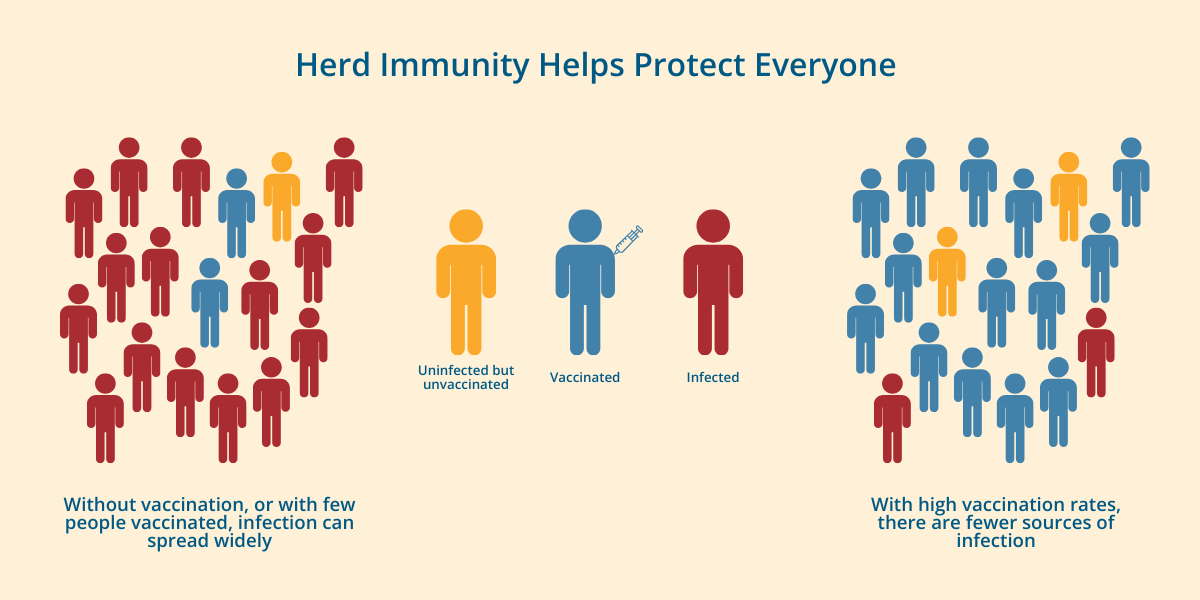
* Herd Immunity in Action: Even among unvaccinated individuals, infection rates decreased. Unvaccinated women experienced a 71.6% drop in infections from 2-valent types and a 75.8% reduction in 4-valent types.This demonstrates “herd immunity“ – where high vaccination rates indirectly protect those who aren’t vaccinated by reducing overall virus transmission.
Dr. Jessica Kahn, lead author of the study, emphasizes this finding: “We found clear evidence of herd immunity, meaning when enough people are vaccinated, the vaccine indirectly protects unvaccinated people by reducing overall virus transmission.” While data is still emerging for the newer 9-valent vaccine, initial results are promising.
A Concerning Plateau in Vaccination Rates
Despite the clear benefits,HPV vaccination rates in the U.S. have sadly stalled. After consistent increases from 2013 to 2021, only 62.9% of teens were “up to date” on their HPV vaccinations in 2024 – a rate unchanged from the previous two years.
This stagnation is deeply concerning,especially as misinformation and anti-vaccine sentiment gain traction. Maintaining high vaccination rates is crucial to maximizing the vaccine’s protective effects and preventing a resurgence of HPV-related cancers.
Protecting the Future: Why Continued vaccination is Essential
The evidence is undeniable: the HPV vaccine is a powerful tool in preventing HPV infection and the cancers it can cause. Though, its success hinges on continued, widespread vaccination.
As a healthcare professional, I urge you to discuss the HPV vaccine with your children, your patients, and your community. Protecting ourselves and future generations from the devastating consequences of HPV-related cancers requires a collective commitment to vaccination. Don’t let misinformation jeopardize this remarkable public health achievement.
Resources:
* American Sexual Health Association – HPV Vaccines
* EurekAlert! - HPV Vaccine Study
* CDC – HPV Vaccination rates
* [AmericanSexualHealthAssociation-HPVVaccinationRatesAmongTeensNot[AmericanSexualHealthAssociation-HPVVaccinationRatesAmongTeensNot[AmericanSexualHealthAssociation-HPVVaccinationRatesAmongTeensNot[AmericanSexualHealthAssociation-HPVVaccinationRatesAmongTeensNot
Worth a look