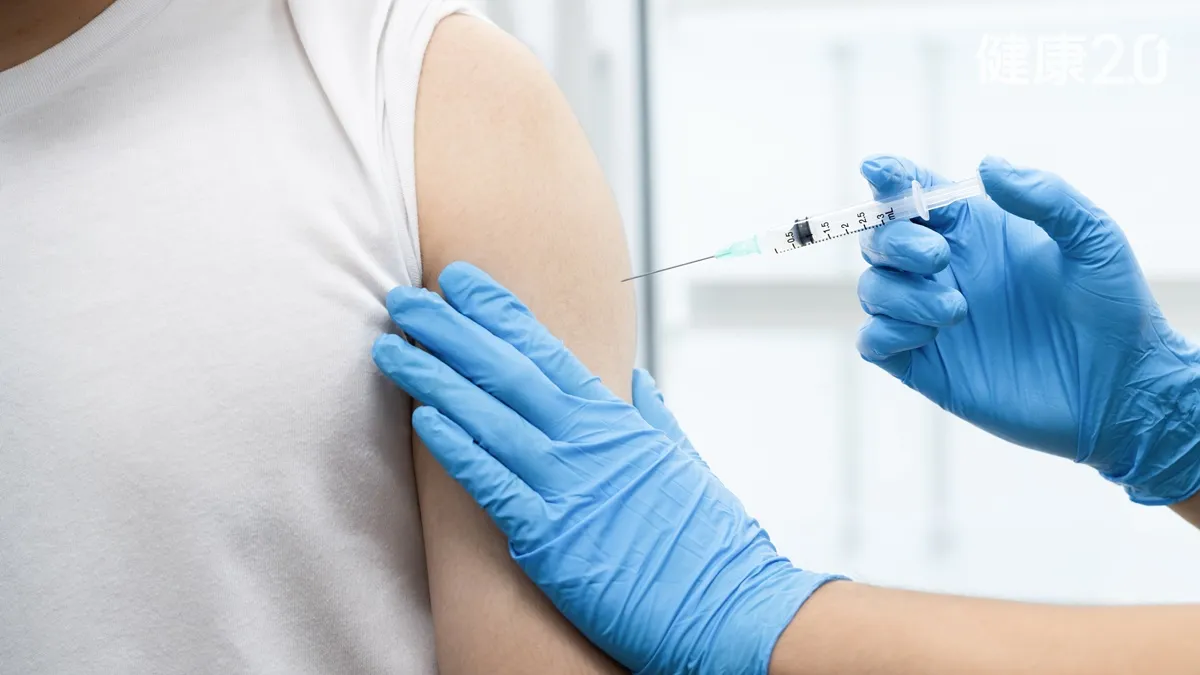
Understanding HPV Transmission: Why Awareness Beyond Sexual Contact Is Vital for Public Health
As a physician, I have spent over a decade navigating the complexities of internal medicine and public health. One of the most persistent misconceptions I encounter in my clinical practice is the belief that Human Papillomavirus (HPV) is exclusively transmitted through sexual intercourse. This misunderstanding often leads to a false sense of security among those who believe they are not at risk, potentially delaying essential screenings and preventative measures.
The reality is that HPV is a highly prevalent viral infection, with the World Health Organization (WHO) noting that the majority of sexually active individuals will contract at least one type of HPV at some point in their lives. While sexual contact is the primary mode of transmission, the virus’s biology means that any form of skin-to-skin contact in the genital or oral regions can facilitate its spread. Understanding the nuances of this virus is not merely a matter of clinical curiosity. it is a fundamental component of proactive health management and cancer prevention. According to the World Health Organization, persistent infection with high-risk HPV types is the primary cause of cervical cancer, yet the infection itself is often asymptomatic, allowing it to persist undetected for years.
The Asymptomatic Nature of HPV and Long-Term Risks
One of the most challenging aspects of managing HPV is that, for the vast majority of people, the immune system clears the infection naturally without any clinical intervention. However, when the body fails to clear the virus, it becomes a “persistent infection.” It is this persistence that poses a significant health risk. Because HPV typically presents no symptoms in its early stages, many individuals remain unaware of their status, which underscores the necessity of routine screening.

When high-risk strains of HPV remain active over many years, they can cause cellular changes in the body that may eventually lead to cancer. While cervical cancer is the most widely discussed consequence, HPV is also associated with other malignancies, including cancers of the anus, oropharynx, vagina, vulva, and penis. The Centers for Disease Control and Prevention (CDC) emphasizes that vaccination, alongside regular screening, is the most effective strategy for mitigating these risks by preventing the initial infection before exposure occurs.
Addressing the Gender Gap in HPV Prevention
For too long, the narrative surrounding HPV has been disproportionately focused on women’s health. While it is true that cervical cancer remains a major public health concern, the virus does not discriminate by gender. Men are both carriers and potential victims of HPV-related diseases, yet they are often overlooked in public health campaigns. This “gender-blind” approach to prevention is a missed opportunity for collective health outcomes.

In many regions, vaccination programs have historically prioritized young girls. However, global health authorities now increasingly advocate for gender-neutral vaccination strategies. By vaccinating both boys and girls, we can achieve higher levels of population immunity, which in turn reduces the overall transmission of the virus. The National Cancer Institute confirms that the HPV vaccine is highly effective at preventing the types of HPV that most commonly cause cancer and genital warts, provided it is administered before the individual is exposed to the virus.
Proactive Steps: Screening and Vaccination
If you are concerned about your HPV risk, the most essential step is to speak with a healthcare professional. Clinical guidelines are clear: prevention and early detection are our most powerful tools. This involves two distinct but complementary strategies:
- Vaccination: The HPV vaccine is a safe and highly effective preventative measure. It is ideally administered in early adolescence, but many health authorities now recommend catch-up vaccinations for adults up to certain age limits.
- Regular Screening: For those at risk of cervical cancer, routine Pap smears and HPV DNA testing are essential. These tests can identify abnormal cellular changes long before they progress to cancer, allowing for early and often life-saving intervention.
The stigma that often surrounds HPV often prevents people from seeking the care they need. It is time to treat HPV as we would any other viral infection: with scientific rigor, open communication, and a commitment to evidence-based prevention. You can find up-to-date guidance on vaccination schedules and screening recommendations through your local public health department or recognized medical authorities such as the European Centre for Disease Prevention and Control.
Key Takeaways for Your Health
Navigating health information can be overwhelming, but keeping these core facts in mind can help you make informed decisions:

- HPV is common: Most people will encounter the virus at some point. It is not a reflection of lifestyle, but a common biological reality.
- Prevention is possible: The HPV vaccine is the most effective way to prevent infection. Consult your physician about your eligibility.
- Persistence is the danger: Most infections clear on their own. Regular screening helps us identify the rare cases where the virus persists and requires medical attention.
- Inclusivity matters: HPV affects all genders. Protecting yourself is a step toward protecting your community.
As we continue to monitor advancements in oncology and virology, public awareness remains our strongest defense. I encourage you to consult your primary care physician or a gynecologist at your next scheduled check-up to discuss your individual risk profile and vaccination history. For those seeking standardized information, the World Health Organization’s portal on cervical cancer provides comprehensive resources that are updated in accordance with the latest global health data.
Have you discussed HPV screening or vaccination with your doctor? Join the conversation in the comments below, and share this article to help dismantle the myths surrounding this common but preventable infection.