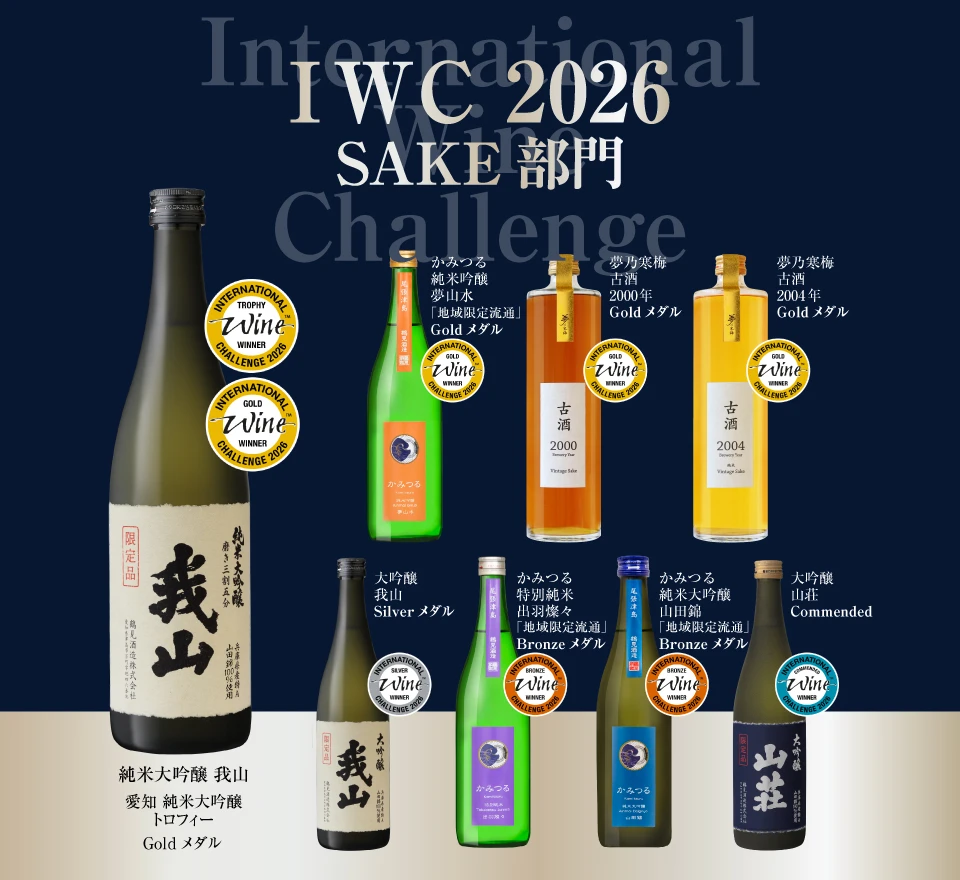
The International Wine Challenge (IWC) reported a record-breaking 1,738 entries in its sake category this year, signaling a significant surge in global interest and production diversity for the Japanese rice wine. This growth reflects a broader shift in the industry, where traditional brewery models are being supplemented by “craft” initiatives, including small-scale urban breweries and community-led brewing villages.
The IWC is one of the world’s most influential wine and spirits competitions, and the spike in sake submissions indicates that more producers are seeking international validation to enter global markets. This trend coincides with a rise in “micro-breweries” that deviate from the centuries-old guild systems of Japan, allowing smaller operators to experiment with ingredients and fermentation techniques.
For consumers and collectors, this expansion means a wider variety of flavor profiles and a shift in where sake is produced. While the Niigata and Kyoto regions remain powerhouses, the emergence of apartment-scale breweries and rural revitalization projects is decentralizing the industry’s geography.
IWC Sake Entries Hit Record Highs
The International Wine Challenge’s recent data shows that 1,738 products entered the sake category, the highest number in the competition’s history. According to IWC records, this volume highlights the increasing competitiveness of the sector and the ambition of Japanese producers to appeal to a non-domestic audience. The competition uses a blind-tasting format to ensure that awards are based on quality rather than brand prestige.

This surge in entries is not merely a result of more breweries, but a result of existing breweries diversifying their portfolios. Many traditional houses are now producing multiple “labels” or limited-edition batches specifically designed for international palates, which often prefer cleaner, more acidic, or fruit-forward profiles compared to the traditional, heavier styles favored in some domestic Japanese markets.
The Rise of Urban and Micro-Breweries
The landscape of sake production is shifting from massive rural warehouses to unconventional spaces. Recent industry developments show the rise of “apartment breweries”—small-scale operations that utilize compact, modern fermentation technology to produce high-quality sake in urban environments. These micro-breweries often focus on a “farm-to-glass” philosophy, sourcing specific rice strains from local farmers to create hyper-regional flavors.

This movement is driven by a younger generation of brewers who hold degrees in chemistry or biotechnology, applying scientific precision to the art of brewing. By reducing the scale of production, these brewers can maintain tighter control over temperature and yeast activity, which often leads to the “award-winning” profiles seen in the IWC entries.
Rural Revitalization Through Brewing Villages
Beyond the cities, Japan is seeing a trend of “brewing villages,” where entire communities collaborate to revive local economies through sake production. These projects often involve the restoration of abandoned farmhouses into functional breweries. By clustering multiple small producers in one village, these regions create a tourism draw that encourages visitors to sample various styles in one location.
These community-led initiatives often focus on “organic” and “natural” sake, avoiding chemical additives and utilizing traditional wooden vats (kioke) instead of stainless steel. This return to ancestral methods, combined with modern quality control, has made these village-produced sakes highly competitive in international competitions.
How to Identify Award-Winning Sake
For those navigating the expanding market, the IWC medals serve as a primary benchmark. The competition awards Gold, Silver, and Bronze medals, with “Best in Class” designations for the top performers in specific sub-categories, such as Junmai or Daiginjo.

- Junmai: Pure rice sake with no added alcohol, often characterized by a richer, more savory taste.
- Daiginjo: The highest grade of sake, where the rice is polished significantly (often 50% or less) to create a refined, floral aroma.
- Nigori: Unfiltered sake that remains cloudy, offering a creamier texture and a sweeter finish.
The increase in entries at the IWC means that “Gold” medals are now more common, but the “Best in Show” or “Champion” titles remain rare and highly coveted, often driving the market price of a bottle significantly higher upon release.
The next major industry milestone will be the announcement of the full IWC results and the subsequent release of the official tasting guides, which typically dictate the import trends for the following fiscal year. For the most accurate and updated lists of winning labels, consumers are encouraged to check the official IWC results portal.
Do you have a favorite award-winning sake, or have you noticed more craft labels appearing in your local market? Share your thoughts in the comments below.
Related reading