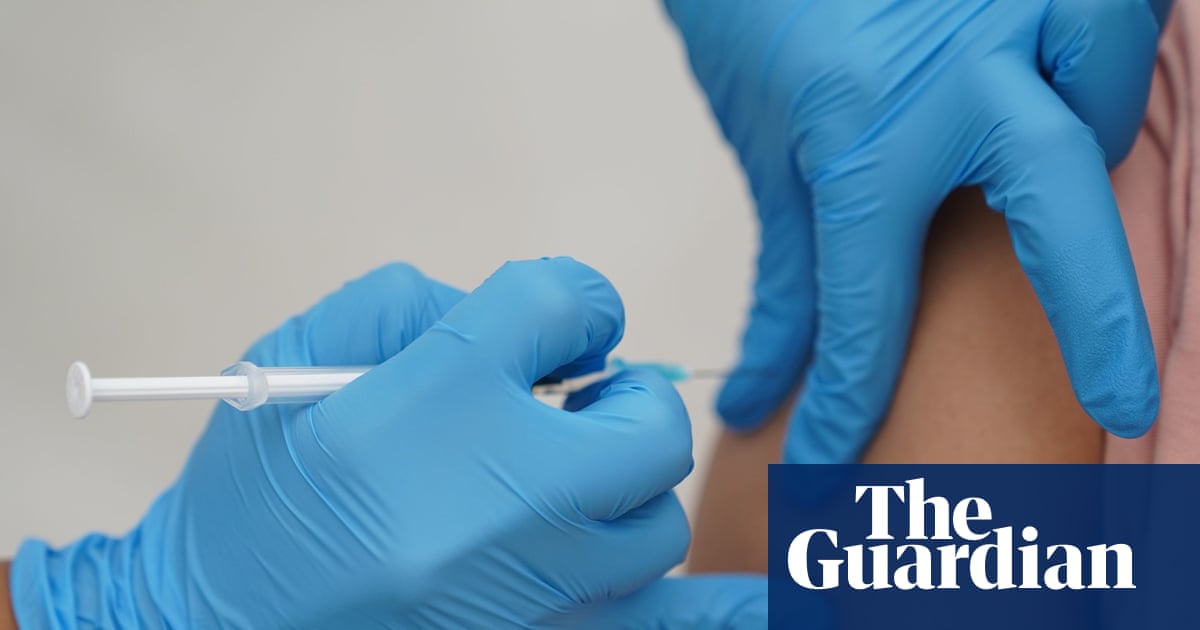
HPV vaccine cervical cancer death risk reduced to near zero for women under 30
Women who receive the human papillomavirus (HPV) vaccine during early adolescence face a near-zero risk of dying from cervical cancer before the age of 30, according to recent clinical findings. While the vaccine provides a significant shield against mortality, health experts warn that declining vaccination rates among teenagers could lead to a rise in avoidable cancer deaths in the coming years.
The data suggests that the timing of the vaccination is a critical factor in its efficacy. When administered in the early teenage years, the vaccine provides robust protection that effectively eliminates the primary cause of cervical cancer mortality for women entering their 20s and 30s. This long-term protection is a cornerstone of modern preventative oncology.
However, public health officials are expressing concern over a downward trend in vaccine uptake. If fewer adolescents receive the series, the current trajectory of declining cervical cancer deaths may be interrupted, potentially leading to a resurgence of the disease in younger populations.
How the HPV vaccine prevents cervical cancer mortality
The human papillomavirus is the primary driver of cervical cancer, with the World Health Organization (WHO) stating that high-risk HPV strains are responsible for approximately 99% of all cervical cancer cases. The vaccine works by stimulating the immune system to produce antibodies that recognize and neutralize these specific viral strains before they can cause cellular changes.

Clinical research indicates that the vaccine is most effective when administered before an individual is exposed to the virus. This is why medical guidelines globally prioritize vaccination during early adolescence. By preventing the initial infection, the vaccine stops the progression from a viral presence to precancerous lesions, and ultimately, to invasive cancer.
For women who were vaccinated in their early teens, the risk of dying from the disease before reaching age 30 is described by researchers as virtually non-existent. This outcome represents one of the most significant successes in preventative medicine, turning a once-common fatal cancer into a preventable condition for vaccinated cohorts.
The impact of declining vaccination rates on public health
Despite the proven efficacy of the vaccine, health authorities are monitoring a shift in vaccination trends. A decrease in the number of teenagers receiving the HPV jab could create “immunity gaps” within the population. These gaps increase the number of susceptible individuals, which can lead to higher rates of infection and subsequent cancer diagnoses.

The consequences of falling coverage are not immediate but are projected to manifest as a rise in cervical cancer cases among women in their late 20s and 30s. Because the disease often develops over several years, the impact of lower vaccination rates today may not be fully visible in mortality statistics for another decade.
Public health experts emphasize that maintaining high coverage is essential for herd immunity and the long-term goal of global cervical cancer elimination. When vaccination rates fall below certain thresholds, the collective protection of the community weakens, leaving those who cannot be vaccinated at higher risk.
Cervical cancer statistics and the current landscape in England
The scale of the challenge remains significant in many developed nations. In England, Cancer Research UK reports that approximately 3,300 women are diagnosed with cervical cancer every year. While screening programs have helped manage the disease, the vaccine remains the most effective primary prevention tool available.
Cervical cancer currently ranks as the fourth most common cancer among women globally. The integration of vaccination programs with regular screening (such as HPV testing) has been the most successful strategy for reducing the burden of the disease. However, the vaccine is viewed as the more definitive solution because it addresses the root cause rather than just detecting the disease after it has begun.
The current data highlights a stark contrast between the potential of the vaccine and the reality of current uptake levels. While the medical technology exists to nearly eliminate cervical cancer deaths in young women, the social and logistical challenges of maintaining high vaccination rates persist.
Understanding the link between HPV and cervical cancer
To understand why the vaccine is so effective, it is necessary to look at how the virus interacts with human cells. HPV is a common virus that is usually cleared by the body’s immune system without causing harm. However, in some cases, high-risk strains persist in the body, leading to persistent infections.

These persistent infections can cause changes in the DNA of cervical cells. Over time, these changes can lead to the development of cervical intraepithelial neoplasia (CIN) and eventually to invasive cancer. The HPV vaccine is designed to intercept this process at the very beginning by preventing the virus from establishing a permanent presence in the cervical tissue.
The vaccine targets the most common high-risk strains, including HPV 16 and 18, which are responsible for a large majority of cervical cancer cases worldwide. By providing coverage against these specific types, the vaccine offers a biological barrier against the most dangerous forms of the virus.
Health organizations continue to monitor the long-term safety and efficacy of the vaccine, with ongoing studies looking at the impact of newer, multi-strain vaccines. Public health updates regarding vaccination schedules and availability are typically released through national health services and the WHO.
Stay informed on the latest public health guidelines by following updates from your local health department or the World Health Organization. We encourage readers to share this information to help raise awareness about the importance of adolescent vaccination.
Keep reading
- How Researchers Use Infrasound to Track Grassland Fires
- JCI Abidjan Soleil Launches Metabolic Disease Screening Campaign in Botro
- The Death of the Polished Instagram Feed: The Rise of Casual Content (newsdirectory3.com)
- Pan-Mass Challenge Aims for $79 Million to Support Cancer Research at Dana-Farber (news-usa.today)