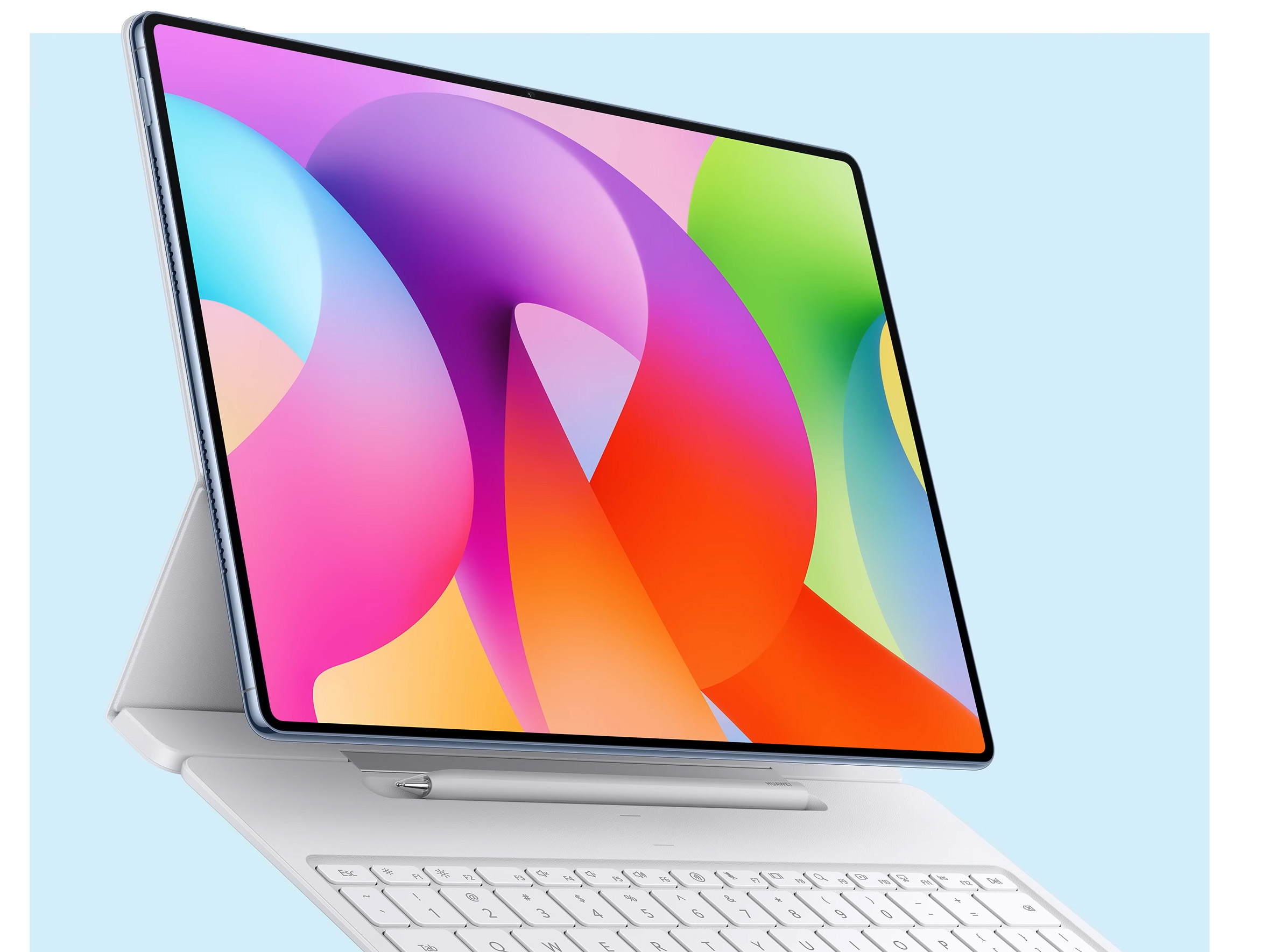
Huawei is intensifying its competition in the premium tablet market with the introduction of the MatePad Pro 13.2, a device specifically engineered to challenge the dominance of the iPad Pro. By combining a massive, high-resolution flexible OLED display with an ultra-thin chassis, the company is positioning the device not just as a media consumption tool, but as a legitimate mobile workstation for creative professionals and executives.
The MatePad Pro 13.2 represents a strategic pivot for Huawei, emphasizing a “PC-level” experience through a combination of specialized hardware and the deeply integrated HarmonyOS. As tablets increasingly attempt to bridge the gap between mobile portability and desktop productivity, Huawei’s latest offering leans heavily into display technology and ecosystem synergy to attract users who find traditional laptops too cumbersome and standard tablets too limited.
For technology professionals, the appeal of the MatePad Pro 13.2 lies in its commitment to visual fidelity. The device features a 13.2-inch flexible OLED screen, which allows for thinner bezels and a more immersive viewing experience compared to traditional LCD panels. This hardware shift is critical as the industry moves toward OLED as the standard for professional-grade color accuracy and contrast.
Engineering a Professional Display: The 13.2-Inch OLED
The centerpiece of the MatePad Pro 13.2 is its expansive display. Utilizing flexible OLED technology, Huawei has achieved a screen-to-body ratio that minimizes distractions, providing a canvas that is highly attractive for digital artists and video editors. The display supports a 144Hz refresh rate, ensuring that animations are fluid and the latency during stylus input is virtually imperceptible.
Beyond the refresh rate, the panel is designed for high brightness and color precision, making it suitable for HDR content consumption and professional photo editing. This focus on the visual experience is a direct response to the trend seen in other high-end tablets, where the screen is the primary differentiator for “Pro” branding. According to Huawei’s official product documentation, the device is built to handle demanding visual tasks while maintaining energy efficiency through its OLED architecture.
The physical footprint of the device is equally ambitious. While some early reports suggested varying thickness measurements, the device is engineered to be one of the thinnest professional tablets available, maintaining a lightweight profile that encourages portability without sacrificing the screen real estate necessary for multitasking.
HarmonyOS and the Quest for PC-Level Productivity
Hardware alone cannot displace a laptop; software is where the battle for productivity is won. The MatePad Pro 13.2 runs on HarmonyOS, which Huawei has optimized to provide a more desktop-like interface. This includes enhanced window management, allowing users to run multiple applications side-by-side in a manner that mimics a traditional operating system.
A key component of this productivity push is the integration of the M-Pencil. The third-generation stylus is designed for low latency and high pressure sensitivity, catering to architects, designers, and note-takers. When paired with the detachable magnetic keyboard, the MatePad Pro 13.2 transforms into a laptop hybrid, offering a tactile typing experience and a trackpad for precise navigation.
the device leverages Huawei’s “Super Device” connectivity. This allows the tablet to act as a secondary screen for a Huawei laptop or to seamlessly share a clipboard and files with a Huawei smartphone. This ecosystem lock-in is a clear strategy to mirror the “walled garden” success of Apple, providing a frictionless experience for users who own multiple devices from the same brand.
Comparing the Rivalry: Huawei vs. Apple
The MatePad Pro 13.2 enters a market currently led by the iPad Pro. While Apple has recently integrated Tandem OLED technology into its latest Pro models to increase brightness and longevity, Huawei’s approach focuses on a flexible OLED panel that maximizes the screen-to-body ratio.
The competition essentially boils down to the software philosophy. Apple’s iPadOS remains a mobile-first system with professional apps, whereas HarmonyOS attempts to blend the mobile and desktop experiences more aggressively. For users already embedded in the Android or Huawei ecosystem, the MatePad Pro 13.2 offers a high-performance alternative that avoids the restrictions of the Apple ecosystem.
In terms of raw specifications, the MatePad Pro 13.2 competes on battery life and charging speeds. With a large battery capacity and support for high-wattage fast charging, the device aims to reduce the “range anxiety” often associated with large-screen tablets used for full workdays.
Key Hardware Specifications at a Glance
| Feature | Specification |
|---|---|
| Display | 13.2-inch Flexible OLED |
| Refresh Rate | 144Hz |
| Operating System | HarmonyOS |
| Input Support | M-Pencil (3rd Gen) & Magnetic Keyboard |
| Primary Use Case | Professional Productivity / Creative Arts |
Market Impact and User Utility
The launch of the MatePad Pro 13.2 is significant because it signals Huawei’s resilience in the high-end consumer electronics space. Despite ongoing geopolitical challenges and trade restrictions, the company continues to innovate in display technology and semiconductor integration via its internal design capabilities.

For the average consumer, this rivalry is beneficial. When Huawei pushes the boundaries of OLED implementation and thin-bezel design, it forces other manufacturers to accelerate their own innovation cycles. The result is a broader array of choices for users who need a device that can handle both a Netflix binge and a complex spreadsheet.
Practical utility for the professional user is found in the device’s versatility. The ability to switch from a tablet for sketching to a keyboard-equipped workstation for emailing makes it an ideal tool for the “digital nomad” workforce. However, the primary hurdle remains software availability; the success of the device depends heavily on the continued growth of the AppGallery and the availability of professional-grade software tailored for HarmonyOS.
For those interested in official availability and regional pricing, the most reliable information can be found via Huawei’s global corporate site, as rollout dates vary significantly between the Chinese domestic market and international territories.
The next major milestone for Huawei’s tablet line will be the further integration of AI-driven productivity tools within HarmonyOS, which are expected to streamline multitasking and content creation. As the company continues to refine its software, the MatePad Pro series will likely move closer to fully replacing the entry-level laptop for a significant portion of the global workforce.
What do you think about the shift toward OLED in professional tablets? Does the MatePad Pro 13.2 offer enough to make you switch from your current device? Let us know in the comments below.
Related reading