For years, the conversation surrounding wearable technology has centered on a relatively predictable set of metrics: step counts, heart rate, and sleep duration. While these features have become increasingly sophisticated, the industry has been searching for a “holy grail” moment—a way to move from reactive fitness tracking to proactive, preventative health monitoring. That shift appears to be accelerating.
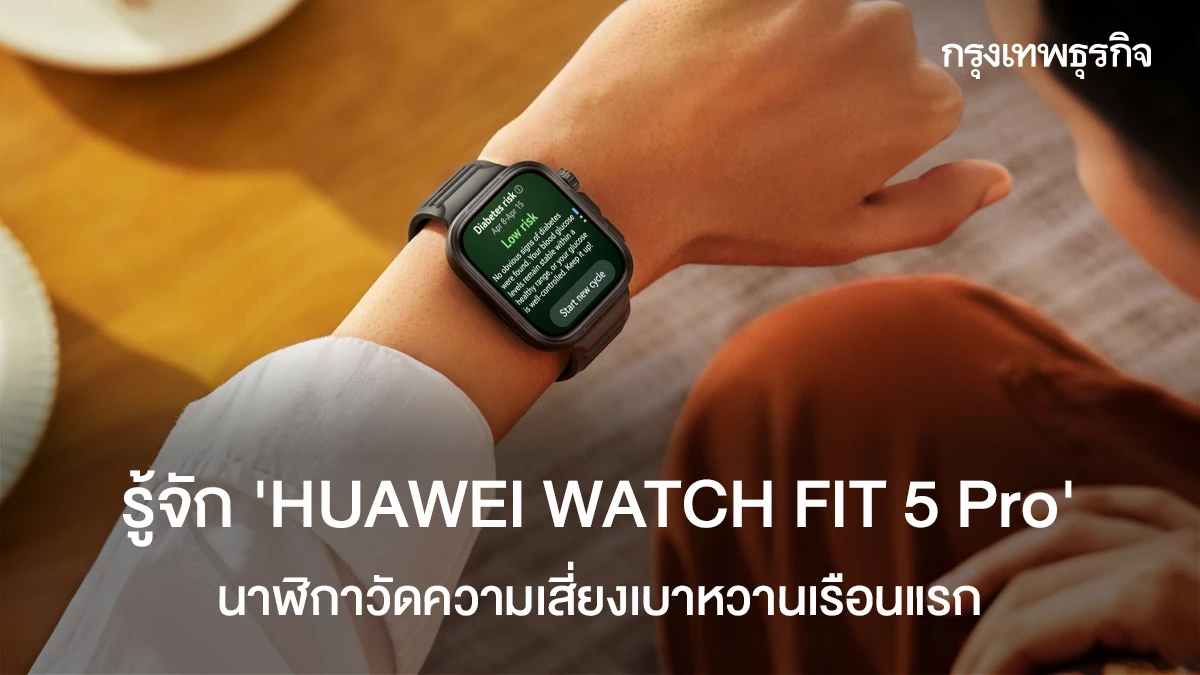
The latest development in this evolution comes from Huawei, which has introduced its new HUAWEI WATCH FIT 5 Series, featuring the HUAWEI WATCH FIT 5 Pro. The standout innovation is a feature that marks a significant milestone for the consumer wearable market: a built-in system designed to assess diabetes risk. This capability, which is being positioned as a first for the Thai market, represents a pivot toward using AI-driven sensor data to identify potential health concerns before they become clinical emergencies.
As someone who has spent nearly a decade tracking the intersection of software engineering and consumer electronics, I find this move particularly noteworthy. We are seeing the transition of the smartwatch from a mere accessory to a sophisticated, continuous health-monitoring tool. However, as with all advancements in digital health, the distinction between “wellness assessment” and “medical diagnosis” remains a critical boundary for users to understand.
A New Frontier in Preventative Health
The introduction of the HUAWEI WATCH FIT 5 Pro focuses heavily on its ability to provide users with early indicators of metabolic health. The diabetes risk assessment feature is not a replacement for clinical blood glucose monitoring; rather, it is intended to serve as an early warning system. By utilizing advanced optical sensors and proprietary AI algorithms, the device analyzes physiological patterns that may correlate with increased diabetes risk.
This type of non-invasive monitoring is the subject of intense research across the entire wearable industry. The goal is to leverage photoplethysmography (PPG) technology—the same tech used to measure heart rate—to detect subtle changes in blood flow and vascular health that could signal metabolic shifts. For users who may be asymptomatic or unaware of their rising risk levels, such a tool provides a compelling reason to seek professional medical consultation.
By integrating this risk assessment into a relatively accessible device, Huawei is democratizing access to high-level health data. In many regions, including Southeast Asia, where metabolic diseases are on the rise, having a low-barrier tool for regular health checks could play a vital role in public health awareness.
Understanding the Diabetes Risk Assessment Feature
It is essential to clarify how this technology functions to manage user expectations. The HUAWEI WATCH FIT 5 Pro does not “measure” blood sugar in the way a traditional glucometer does. Instead, it evaluates risk factors. The system likely looks at a combination of metrics, including heart rate variability, sleep patterns, and potentially other biometric indicators, to create a holistic view of the user’s metabolic wellness.
The technology is designed to be a continuous monitoring companion. Rather than a single point-in-time reading, the value lies in the trend analysis. If the device detects a shift in the user’s baseline metrics that aligns with known diabetes risk profiles, it can prompt the user to take action—such as lifestyle adjustments or scheduling a visit with a healthcare provider.
From a software perspective, the efficacy of this feature relies heavily on the quality of the underlying AI models. The ability to filter out “noise” from movement and external environmental factors is what separates a high-quality health wearable from a simple fitness tracker. Huawei’s focus on this specific preventative metric suggests a significant investment in the data science required to make these assessments meaningful for a global consumer audience.
Pricing and the Huawei Watch Ecosystem
Huawei is approaching the launch of the FIT 5 Series with a tiered pricing strategy, ensuring that their health-tech innovations reach different segments of the market. The HUAWEI WATCH FIT 5 Series is being made available with entry-level pricing starting at 4,990 THB, making advanced health tracking more attainable for the general public.
The Pro model, which carries the specialized diabetes risk assessment capabilities, sits within this ecosystem as a more advanced option for those prioritizing health analytics. This pricing structure allows Huawei to compete in the high-volume, mid-range market while simultaneously pushing the boundaries of what consumers expect from “affordable” wearables.
In addition to the FIT series, Huawei continues to cater to the luxury segment of the smartwatch market. The company has also highlighted the HUAWEI WATCH ULTIMATE DESIGN Spring Edition, a flagship luxury smartwatch priced at 139,990 THB. This demonstrates the breadth of their current strategy: providing high-utility, health-centric tools for the mass market while maintaining a presence in the high-end, premium craftsmanship sector.
Key Takeaways: HUAWEI WATCH FIT 5 Series
- Primary Innovation: The HUAWEI WATCH FIT 5 Pro features a new system for assessing diabetes risk via non-invasive sensors.
- Market Positioning: The series is being launched with a focus on proactive, preventative health monitoring.
- Entry-Level Pricing: The HUAWEI WATCH FIT 5 Series starts at 4,990 THB.
- Luxury Tier: The HUAWEI WATCH ULTIMATE DESIGN Spring Edition is available for 139,990 THB.
- Critical Distinction: These features are wellness assessment tools and are not intended for medical diagnosis.
The Broader Impact on Digital Health
The rollout of the FIT 5 Pro in Thailand is a microcosm of a larger global trend. As healthcare systems worldwide face increasing pressure from chronic diseases, the burden of monitoring is shifting toward the individual. Wearables are becoming the primary interface for this “personal health management.”
However, this shift brings new challenges, particularly regarding data privacy and the accuracy of AI-driven health claims. As these devices move closer to the clinical space, regulators will likely increase scrutiny on how companies validate their algorithms and how they communicate risk to the end-user. For consumers, the responsibility lies in using this data as a supplement to, rather than a replacement for, professional medical advice.
The success of the HUAWEI WATCH FIT 5 Pro will ultimately be measured by its ability to drive meaningful health outcomes. If users can use these risk assessments to make early lifestyle changes, the impact on long-term wellness could be profound. We are witnessing the birth of a new category of device: the “health companion,” which is as much about intelligence and prevention as it is about fitness and connectivity.
As we look forward, the next milestone for this technology will be the integration of even more diverse biometric markers and the potential for direct data sharing with healthcare providers. The question is no longer just “how many steps did I take?” but “how is my body actually functioning today?”
We will continue to monitor official updates regarding the software refinements for the FIT 5 Pro and any subsequent regulatory filings related to its health assessment features. Stay tuned for more in-depth reviews as we put these new sensors to the test.
What are your thoughts on using smartwatches for diabetes risk assessment? Do you see these tools as a vital part of your health routine, or do you remain skeptical of non-invasive monitoring? Let us know in the comments below and share this article with your network.
- SpaceX Falcon 9 Rocket Stage Projected to Impact Moon in August 2026
- Inside Praxis: The Rise and Reality of the Techno-Optimist Frontier Community
- EA Sports FC 27: Release Date, Gameplay, and New Features Preview (world-today-news.com)
- LG Smartphone Production Ends and Smart TV Features Explained (newsdirectory3.com)