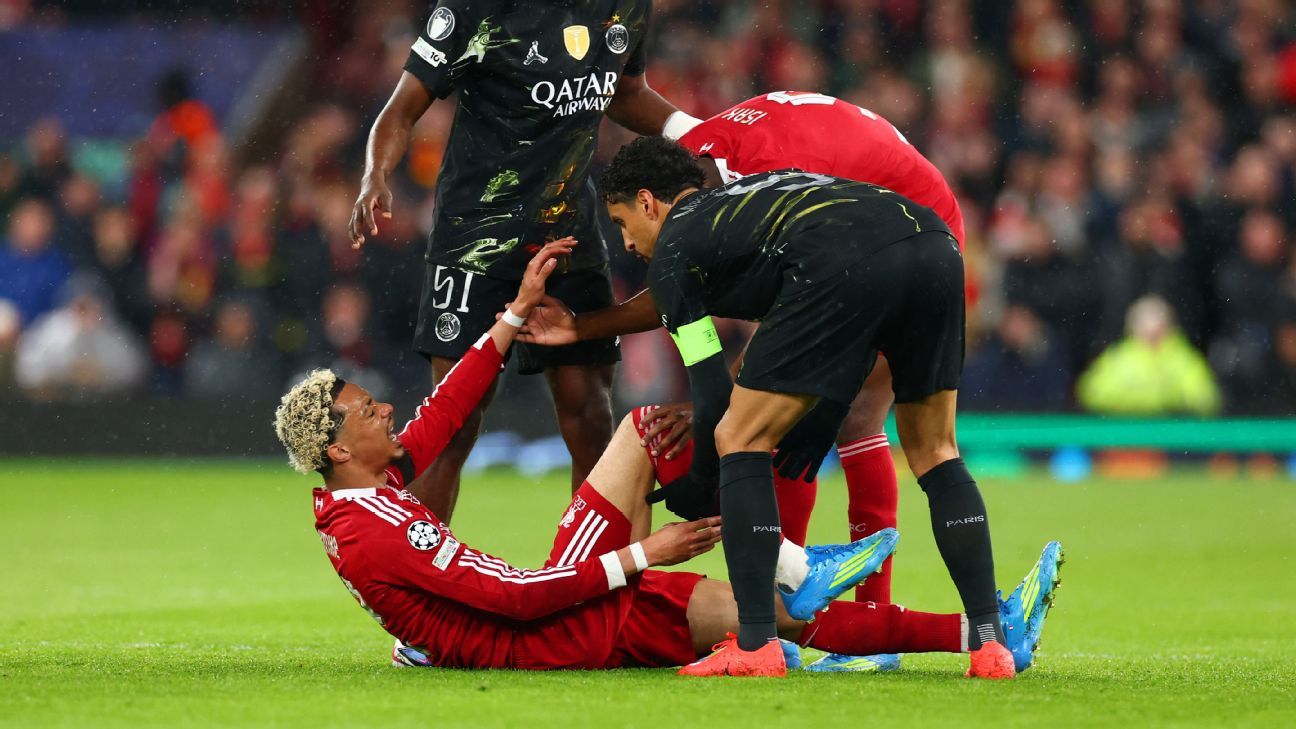
Liverpool and the French national team are facing a significant blow following a severe injury to forward Hugo Ekitike. Reports indicate that the attacker has suffered a ruptured Achilles tendon, an injury that will sideline him for a considerable period and rule him out of the upcoming World Cup.
The injury occurred on Tuesday night, leaving both his club and country concerned about the severity of the damage. Liverpool manager Arne Slot has acknowledged the situation, stating that Ekitike has a “bad injury,” although sources close to the player suggest the recovery timeline will be extensive.
A ruptured Achilles is one of the most challenging injuries for a professional athlete to overcome, typically requiring surgery and a rigorous rehabilitation process. For Ekitike, the timing is particularly devastating as it eliminates his opportunity to represent France on the world’s biggest stage.
Ekitike Ruptures Achilles: Impact on Liverpool and France
The news of the rupture has sent shockwaves through the Liverpool camp. The loss of Ekitike creates a void in the attacking options for Arne Slot, who must now adjust his tactical approach for the remainder of the season. The severity of the injury was evident immediately, with reports describing the incident as “very-bad” looking via ESPN.
For the French national team, the absence of Ekitike removes a dynamic element from their squad. The World Cup is the pinnacle of international football, and missing the tournament due to a physical setback is a crushing blow to the player’s international ambitions and the team’s depth.
According to reports from ESPN, the rupture is expected to maintain the forward out of action for at least nine months, suggesting a long road to recovery before he can return to competitive play.
Understanding the Severity of Achilles Injuries
An Achilles tendon rupture occurs when the thick tendon connecting the calf muscle to the heel bone is torn or completely broken. In professional sports, this is often categorized as a “season-ending” injury due to the time required for the tendon to heal and for the athlete to regain the explosive power necessary for sprinting and pivoting.
The recovery process generally involves a combination of surgical intervention to reconnect the tendon and months of physical therapy. The goal is to restore flexibility and strength without risking a re-rupture, which makes the rehabilitation phase slow and meticulous.
Managerial Reaction and Next Steps
Arne Slot has been brief but candid regarding the situation, confirming that the injury is indeed severe via ESPN. The focus now shifts to the medical staff at Liverpool to manage Ekitike’s recovery and ensure he receives the best possible care to return to peak fitness.
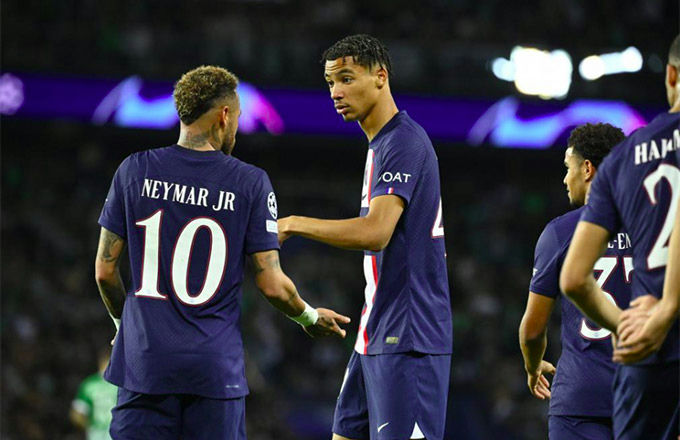
As for the French squad, the coaching staff will now have to evaluate alternative options for the forward line to fill the gap left by Ekitike’s absence. The loss of a key player so close to the tournament often forces a rethink of the starting eleven and the overall strategy for the competition.
The sports community and fans are encouraged to follow official club statements for further updates on Hugo Ekitike’s surgical progress and recovery timeline. Please share your thoughts in the comments below on how Liverpool and France should adapt to this loss.
Related reading