
Two Roads to Humanity: New Fossil Discoveries Illuminate How Our Ancient Ancestors Coexisted and Adapted
For decades, the story of human evolution felt like a relatively linear progression. But recent fossil discoveries in Ethiopia are dramatically reshaping our understanding, revealing a more complex and captivating picture of our origins. Specifically, ongoing research at the Woranso-Mille site is providing unprecedented insight into how multiple hominin species – our early human ancestors – lived alongside each othre, adapted to their environment, and ultimately, paved the way for us.
This article delves into the groundbreaking findings surrounding Australopithecus deyiremeda, known through the remarkable “Burtele Foot” fossil, and its relationship wiht the more famous Australopithecus afarensis – the species of “Lucy.” We’ll explore how these two related groups differed in diet and locomotion, and what their coexistence tells us about the adaptability crucial for survival, then and now.
Unearthing A. deyiremeda: beyond the Burtele Foot
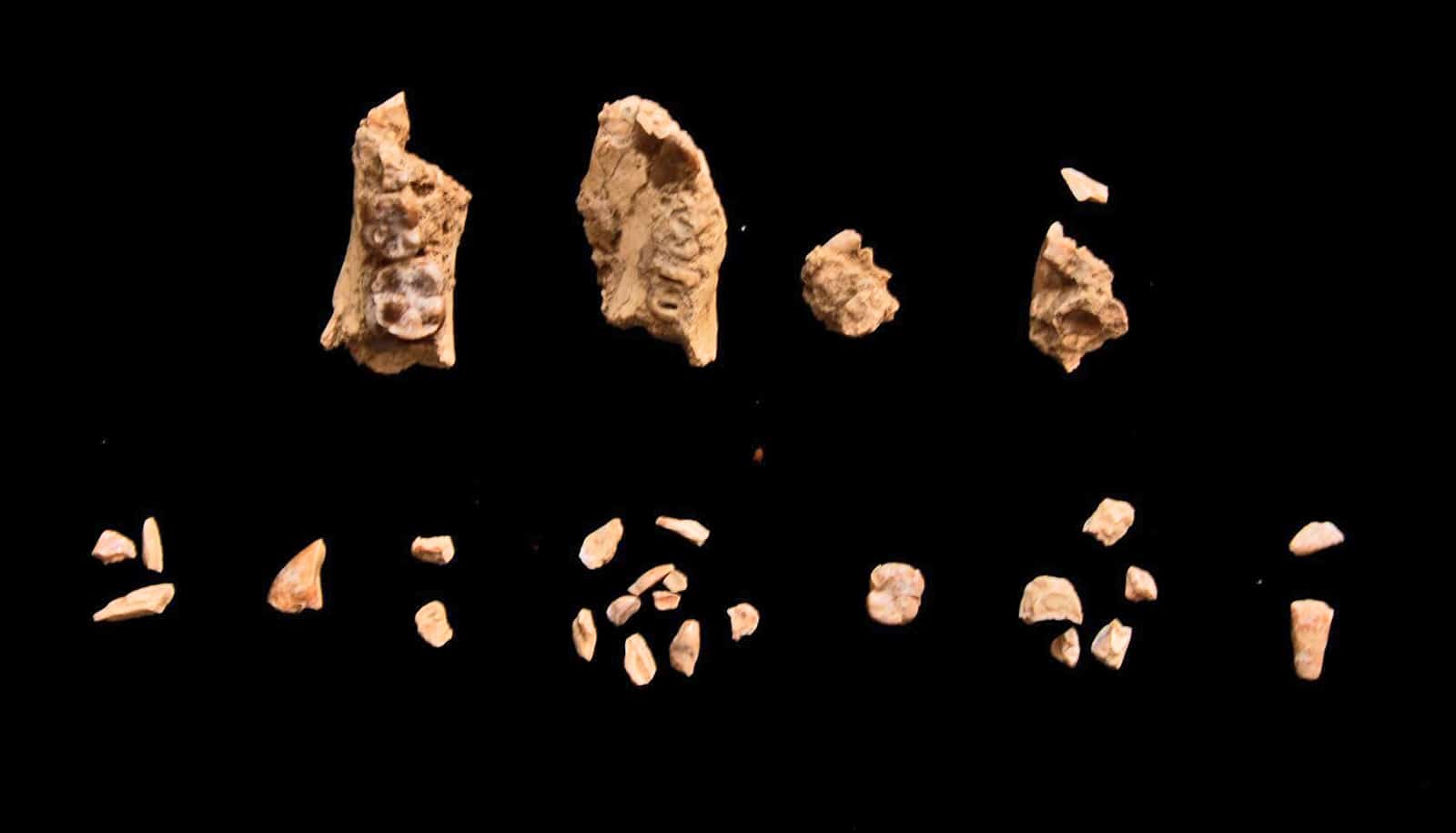
Over the last ten years, dedicated fieldwork has yielded a growing collection of fossils confidently attributed to A. deyiremeda. This is significant because, untill recently, our knowlege of this species was limited. Now, with a more substantial fossil record – including 25 teeth and a remarkably well-preserved juvenile jaw - scientists are building a clearer picture of this ancient hominin.
The Woranso-Mille site holds a unique position in paleoanthropology. It’s the only location where we have definitive evidence of two closely related hominin species coexisting in the same area simultaneously occurring. This presents a rare opportunity to study how different evolutionary strategies played out within a shared ecosystem.
A Tale of Two Diets: What A. deyiremeda and A.afarensis Ate
To understand the lifestyle of A. deyiremeda, researcher Beverly levin analyzed eight teeth from the Burtele area using isotope analysis. This elegant technique, akin to the precision work of a modern dentist, reveals what an individual ate during its lifetime.
The results were telling:
* A. deyiremeda focused on foods from trees and shrubs. Their diet was relatively specialized.
* A. afarensis (Lucy’s species) had a more varied diet. They consumed foods from trees and shrubs and also tropical grasses and sedges.
As Levin explains, A. afarensis was actively expanding its dietary repertoire, while A. deyiremeda maintained a more restricted approach. This difference in resource utilization is a key factor in understanding how these species carved out their own niches.
Walking Differently: The Burtele Foot and the Evolution of Bipedalism
The “Burtele Foot” itself is a pivotal revelation. It’s more primitive than the feet of A. afarensis, retaining an opposable big toe – a feature crucial for climbing.The toes were also longer and more flexible, further indicating arboreal (tree-dwelling) adaptations.
Though,A. deyiremeda wasn’t simply a tree-dweller. Evidence suggests that when walking upright, they likely pushed off with their second toe, rather than the big toe as modern humans do.
This finding is revolutionary because it demonstrates that:
- Bipedalism wasn’t a single, linear progress. There were multiple ways to walk on two legs in our early ancestors.
- Early hominins experimented with different forms of bipedal locomotion. The “one way” we frequently enough assume didn’t exist until much later in our evolutionary history.
Growth and Development: surprisingly Similar
Interestingly, the juvenile jaw discovered at Burtele reveals a surprising similarity between the two species. The jaw contained a complete set of baby teeth and developing adult teeth, indicating a growth pattern remarkably consistent with A. afarensis.
This suggests that despite differences in diet and locomotion, the fundamental process of growing up was shared between these two hominin groups.
Why This Matters: Lessons for Our Future
The story of A. deyiremeda and A. afarensis isn’t just about the distant past. It’s a powerful illustration of the importance of adaptation for survival.These species thrived by exploiting different resources and developing unique strategies for navigating their environment.





