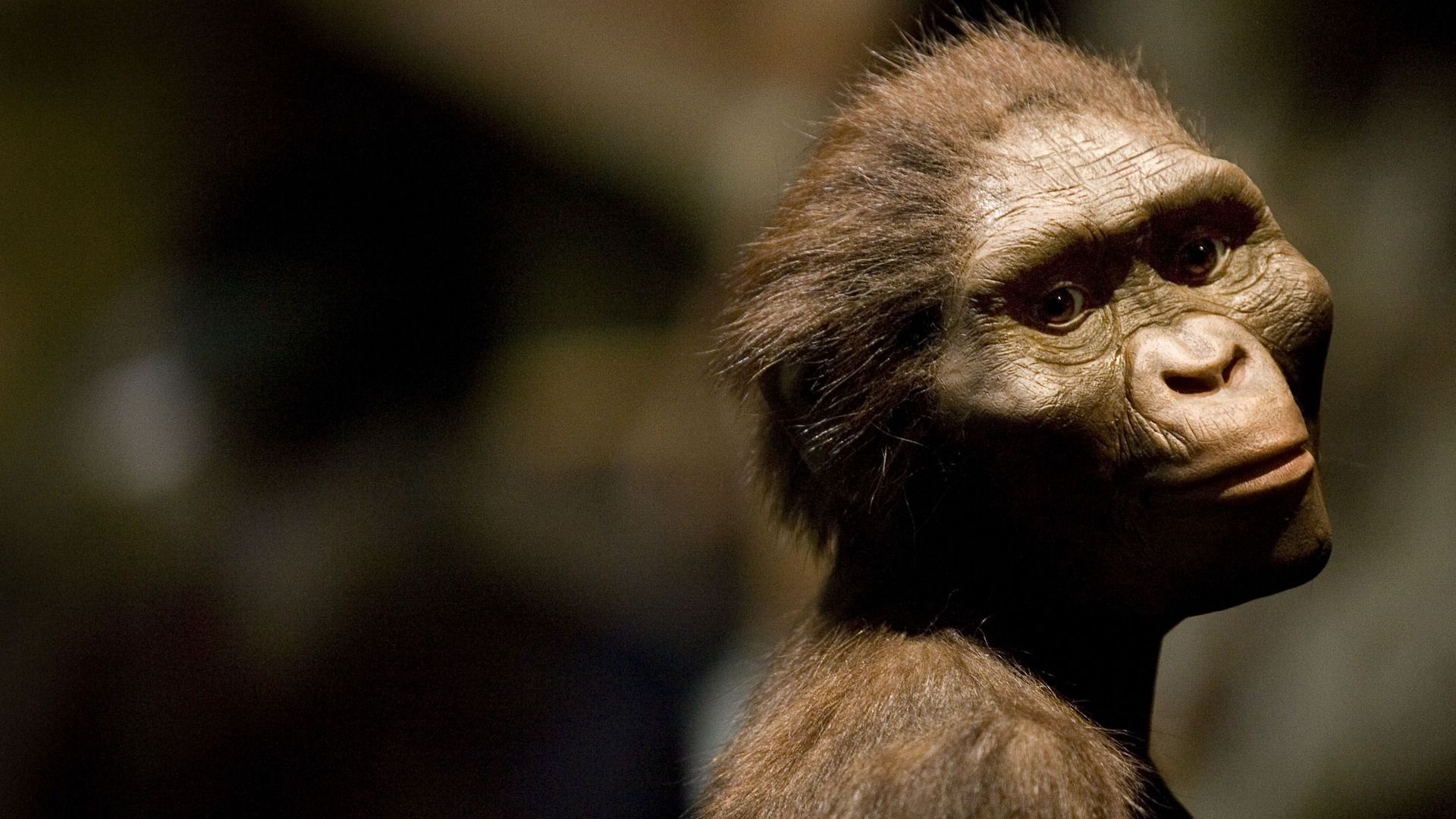
Unraveling the Story of Lucy and Our Human Ancestry
For decades, the fossil known as “Lucy” has captivated scientists and the public alike, offering a remarkable glimpse into our distant past. But Lucy is far from the whole story. Recent discoveries are dramatically reshaping our understanding of human evolution, revealing a far more complex and fascinating narrative than previously imagined.
A Wealth of Fossils Emerges
Scientists have unearthed over 500 fossils belonging to Australopithecus afarensis, the species to which Lucy belongs. These fossils span a million years of evolutionary history, originating from sites across Tanzania, Kenya, and Ethiopia. this wealth of evidence allows us to reconstruct not only how Lucy lived, but even details surrounding her final days.
Imagine being able to piece together the last hours of a creature who walked the Earth over 3 million years ago! Researchers have successfully done just that, offering unprecedented insight into the challenges and dangers faced by our ancient ancestors.
Lucy Wasn’t Alone
It’s easy to think of Lucy as a solitary figure, but the truth is she lived in a vibrant, diverse world. You might be surprised to learn that Lucy’s kind coexisted with at least four other proto-human species.
anthropologists have identified several Australopithecus species, alongside other related genera, painting a picture of a bustling ecosystem filled with our evolutionary cousins. This revelation challenges the traditional linear view of human evolution.
beyond the Family Tree: A Braided Stream
For a long time, human evolution was often depicted as a neat, branching family tree. However,the latest evidence suggests a different model altogether. Think of it instead as a braided stream – a network of interconnected pathways where different hominin species evolved, interacted, and sometimes even interbred.
Here’s what this means for you:
* Multiple lineages: Human evolution wasn’t a single, straight line. Several different groups of hominins were exploring different evolutionary paths concurrently.
* Interconnectedness: These groups weren’t isolated. Thay likely interacted, competed for resources, and perhaps even exchanged genes.
* Complexity: The story of human evolution is far more intricate and nuanced than we once thought.
What Does This Mean for Understanding Ourselves?
These discoveries aren’t just about understanding the past; they’re about understanding ourselves. By studying Lucy and her contemporaries, we gain a deeper appreciation for the long, winding journey that led to the emergence of Homo sapiens.
It’s a humbling reminder that our species is just one branch on a vast and complex tree of life.and as we continue to unearth new fossils and refine our understanding of the past, the story of human evolution will undoubtedly continue to evolve as well.
This ongoing research promises to reveal even more about our origins,challenging our assumptions and deepening our connection to the remarkable story of life on Earth. It’s an exciting time to be studying human evolution, and the future holds the potential for even more groundbreaking discoveries.
Keep reading
- Early Vitrectomy May Outperform Antibiotics for Acute Eye Fluid Infections
- Handling Asylum and Family Reunification Delays in a Tense Context
- History of Colorado’s Catholic Diocese and Santa Fe Bishopric (archynewsy.com)
- Who Is MJ? Exploring Mary Jane Watson’s History in Spider-Man (world-today-news.com)