
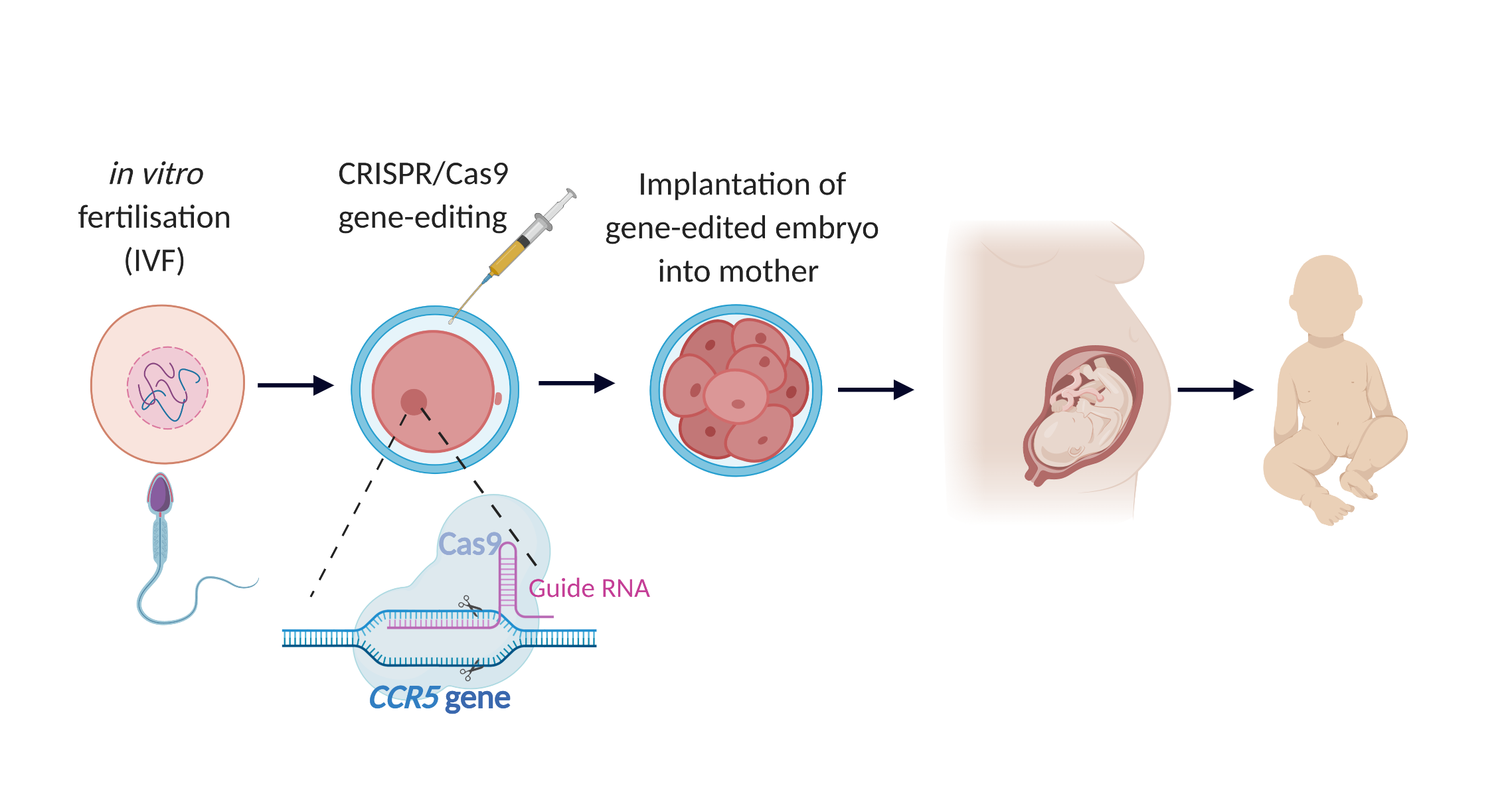
The rapid evolution of CRISPR-Cas9 and related genome editing technologies has brought the scientific community to a critical juncture. Recent advancements in the ability to perform precise genetic modifications on human embryos have reignited a global conversation regarding the ethics, safety, and long-term implications of germline editing. As researchers refine the tools used to correct hereditary conditions at the earliest stages of development, the prospect of “designer babies”—a term that has long occupied the space between science fiction and reality—is once again at the forefront of public policy debates.
At its core, the science of genome editing involves making targeted changes to an organism’s DNA. While somatic cell editing—which targets non-reproductive cells and does not pass changes to future generations—has gained traction in clinical trials for conditions like sickle cell disease, germline editing presents a different set of challenges. Because changes made to an embryo are inherited by all subsequent generations, the global regulatory landscape remains highly restrictive, with many nations maintaining strict prohibitions on the clinical use of these technologies.
The Scientific Frontier: Precision and Potential
The technical ability to influence human development at a genetic level has moved significantly faster than the societal consensus on how to govern it. Modern gene-editing platforms allow scientists to potentially excise or correct deleterious mutations that lead to severe, life-limiting genetic disorders. The promise of this technology is clear: the opportunity to eliminate devastating conditions before a child is even born. However, the precision of these tools is not yet absolute. Off-target effects—where the editing machinery makes unintended changes to the genome—remain a significant safety concern that researchers are working to mitigate through improved delivery systems and higher-fidelity enzymes.
According to the World Health Organization (WHO) Expert Advisory Committee, the governance of human genome editing must prioritize transparency and safety. The committee has emphasized that any clinical application of germline editing is currently premature, citing both the technical limitations and the profound ethical questions that remain unresolved. This international scrutiny underscores the reality that while the science is advancing, the path to clinical integration is paved with rigorous regulatory hurdles designed to protect human rights and scientific integrity.
Ethical Considerations and the “Designer” Debate
The term “designer baby” often serves as a shorthand for the apprehension surrounding the potential transition from therapeutic use to enhancement. The ethical dilemma rests on a fine line: distinguishing between the medical necessity of preventing a debilitating disease and the subjective desire to influence non-medical traits such as physical appearance, cognitive ability, or athletic performance. Critics argue that even if the technology is initially restricted to therapeutic ends, the infrastructure created for such interventions could eventually be co-opted for eugenic or enhancement purposes.
concerns regarding equity and accessibility persist. If genome editing becomes a viable clinical tool, there is a substantial risk that it could exacerbate existing socio-economic disparities. If only a privileged segment of society can afford or access these interventions, the potential for a “genetic divide” becomes a tangible societal threat. These concerns are reflected in the Nuffield Council on Bioethics report, which highlights that the social implications of reproductive technologies must be weighed just as heavily as the biological ones.
Regulatory Landscapes and Future Directions
Globally, there is no single, unified policy governing the use of gene editing in human embryos. Instead, a patchwork of national laws and international guidelines dictates the current status. Many countries, including those in the European Union, adhere to the Oviedo Convention, which explicitly prohibits interventions that seek to introduce any modification in the genome of any descendants. In contrast, other nations maintain policies that are more ambiguous or remain under active review by national ethics boards.
For the public, tracking these developments requires looking beyond sensationalist headlines toward official statements from major health organizations and national regulatory bodies. The conversation is not merely about what is technically possible, but what is morally permissible. As research continues to yield new data, the requirement for an inclusive, transparent, and international dialogue becomes increasingly urgent. Scientific progress, while exciting, must be tempered by a commitment to the fundamental principles of beneficence, non-maleficence, and justice.
Key Takeaways on Genome Editing
- Technical Progress: Genome editing tools like CRISPR continue to improve in precision, but off-target effects remain a primary safety barrier for clinical use.
- Therapy vs. Enhancement: The primary scientific focus is on preventing hereditary diseases, while the ethical debate centers on preventing the “slippery slope” toward non-medical genetic enhancement.
- Global Governance: International bodies, including the WHO, currently maintain that clinical germline editing is premature, advocating for a robust, transparent global regulatory framework.
- Societal Impact: Beyond the laboratory, the conversation must address issues of equity, accessibility, and the long-term implications for the human gene pool.
As the scientific community navigates these complex waters, the focus remains on rigorous peer review and adherence to established ethical guidelines. Readers interested in the latest policy updates and ethical guidance can monitor the ongoing work of the WHO’s dedicated portal on human genome editing. The path forward will likely involve a series of incremental, evidence-based steps rather than a sudden shift, ensuring that the technology is utilized in a manner that respects both human dignity and the complexity of our biological future.

What are your thoughts on the balance between medical innovation and ethical oversight? Join the conversation in the comments section below and share this article to help keep the dialogue moving.
Worth a look