
Concerns surrounding the protection of minors and the prevalence of human trafficking have intensified in Portugal, following recent reports highlighting significant regional disparities in the reporting of child sexual exploitation. As authorities grapple with the complexities of identifying and shielding vulnerable populations, the Madeira archipelago has emerged as a focal point for institutional scrutiny. Regional leadership has formally called for a comprehensive investigation to address these alarming statistical trends and to ensure that preventative measures are robustly enforced.
The issue of human trafficking and the exploitation of minors is not isolated, but rather part of a wider, systemic challenge facing the Portuguese state. While recent improvements in the national framework for victim support have been noted by international observers, significant gaps remain. The intersection of labor exploitation, particularly within the agricultural sector, and the protection of children requires a multifaceted approach that involves cross-departmental cooperation and more effective enforcement of existing legal statutes. Understanding the landscape of human trafficking in Portugal is vital to grasping why these recent calls for transparency and reform have gained such urgency.
Addressing Regional Disparities in Child Safety
The call for an investigation in Madeira follows data suggesting a higher incidence of reported cases of child sexual exploitation in the region compared to other parts of the country. Regional President Miguel Albuquerque has publicly emphasized the need for a thorough inquiry to determine the veracity of these reports and to identify the underlying factors contributing to the situation. The goal is to move beyond raw data and understand the specific social and systemic vulnerabilities that may be leaving children at risk.
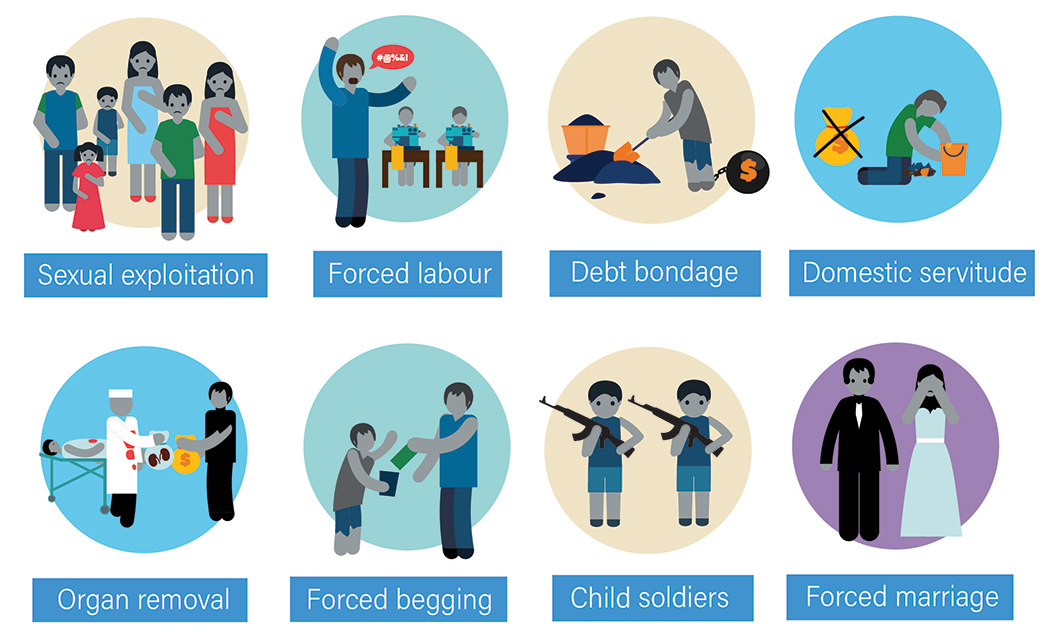
Official efforts to combat these crimes are guided by the National Strategy for the Prevention and Combat of Human Trafficking, which seeks to integrate the responses of social services, law enforcement, and judicial authorities. However, the complexity of detecting such crimes—which often occur in private or hidden environments—means that statistical reports can sometimes reflect increased awareness and reporting efforts rather than a simple rise in criminal activity. Regardless of the interpretation, the consensus among policymakers is that current resources may be insufficient to address the scale of the challenge effectively.
The Broader Context of Trafficking and Labor Exploitation
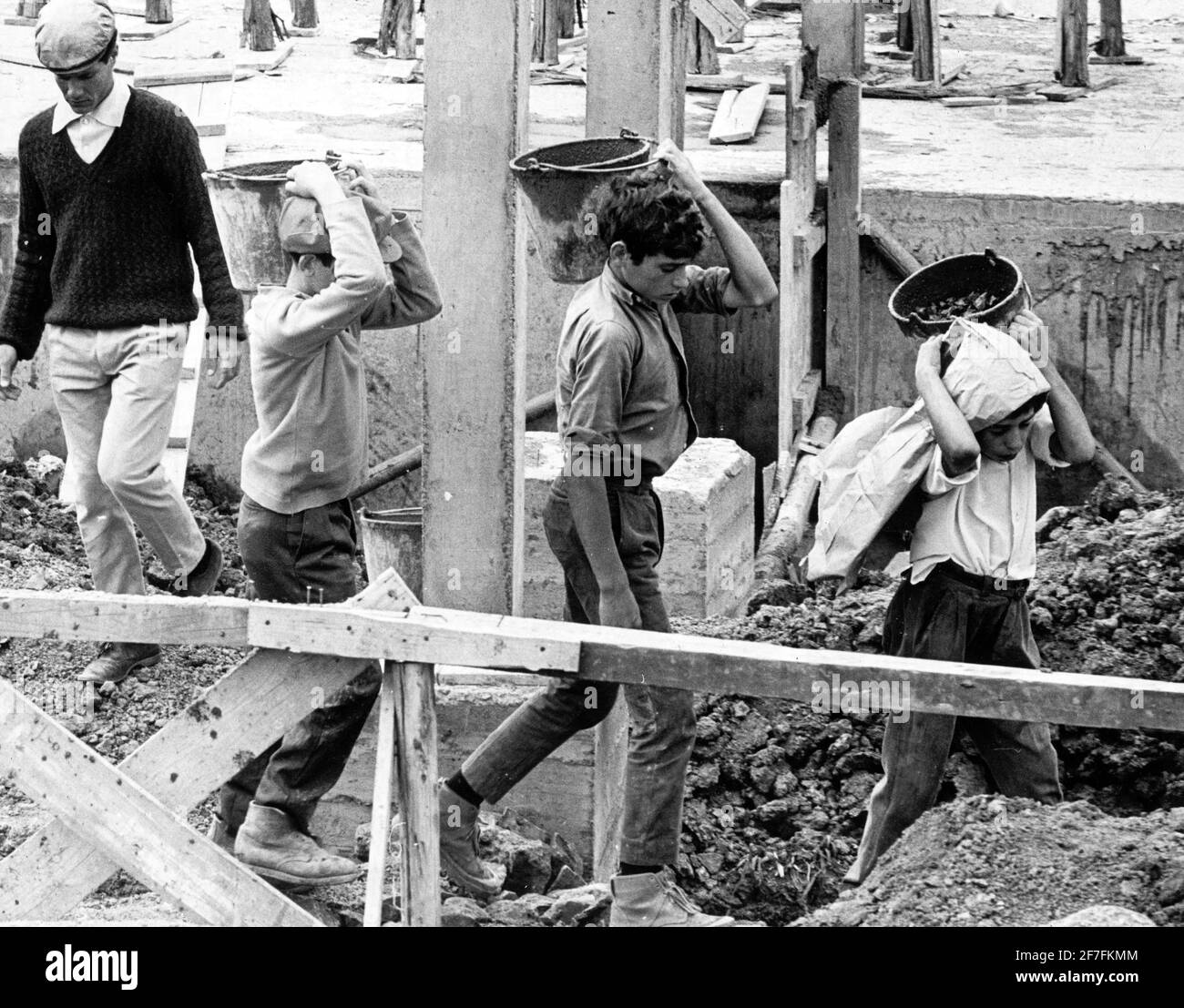
While the focus on child protection is paramount, the broader issue of human trafficking in Portugal remains a critical concern for the government and NGOs alike. Reports have consistently indicated that adult victims, particularly those working in the agricultural sector, are frequently subjected to exploitative conditions, including forced labor and debt bondage. According to the 2024 Trafficking in Persons Report published by the U.S. Department of State, while Portugal meets the minimum standards for the elimination of trafficking, the government’s efforts to prosecute perpetrators and protect victims remain inconsistent.

The challenge is further compounded by the legal status of victims. Often, individuals who are trafficked are treated as immigration offenders rather than victims of a crime, which discourages them from coming forward to the authorities. To address this, the Portuguese government has been exploring legislative changes aimed at expanding the definition of trafficking-related crimes and providing better legal protections for victims, ensuring they are not penalized for actions they were forced to commit while under the control of traffickers.
Key Factors in Current Policy Debates
- Legislative Reform: Proposals are currently being discussed to strengthen the legal framework surrounding human trafficking, specifically to ensure that victims are shielded from criminal prosecution for illegal acts committed during their exploitation.
- Inter-Agency Coordination: The government is seeking to improve collaboration between the Serviço de Estrangeiros e Fronteiras (now integrated into the AIMA and other police forces) and social security agencies to better identify and support victims.
- Public Awareness: Campaigns are being developed to help the public and frontline workers recognize the signs of both sexual exploitation and labor trafficking, which is essential for early intervention.
Moving Toward Comprehensive Protection
The path forward requires a shift from reactive measures to proactive prevention. This includes better training for law enforcement officers who are often the first point of contact for victims, as well as increased funding for shelters and psychological support services. The situation in Madeira serves as a microcosm for the national need to prioritize child welfare and human rights over bureaucratic hurdles.
As the investigation in Madeira commences, the results are expected to shed light on whether the current oversight mechanisms are functioning as intended or if a more radical restructuring of child protection services is required. Transparency in this process is essential to maintain public trust, and it is expected that the findings will be presented to the regional assembly once the inquiry concludes.
The next major checkpoint for these developments involves the upcoming review of the national anti-trafficking action plan, which is expected to be discussed in the Assembly of the Republic in the coming months. As these policy shifts take shape, the international community will be watching to see how Portugal reconciles its international obligations with the realities on the ground. We invite our readers to share their thoughts on these critical developments in the comments section below, as this remains a story of evolving importance for public policy and human rights.
Worth a look