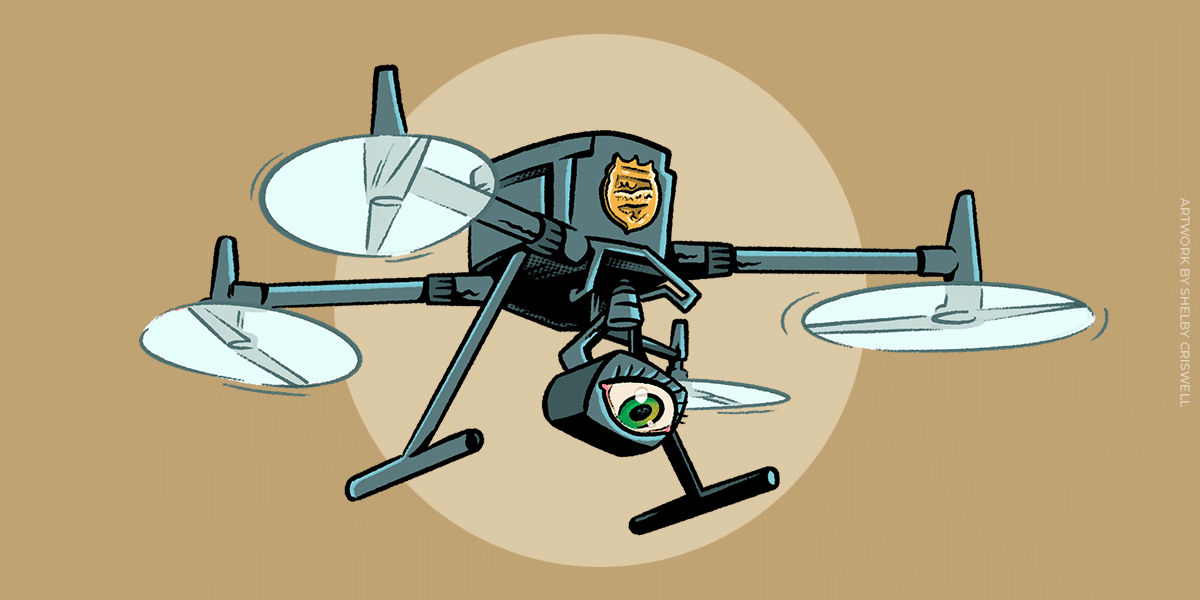
Public safety agencies across the United States have cleared a crucial regulatory threshold, securing federal waivers to expand autonomous drone-as-first-responder programs into airspace previously unreachable by traditional patrol units. According to a recent Freedom of Information Act release, over 1,000 public safety agencies—including police and fire departments—obtained Federal Aviation Administration Part 91 waivers between April 2025 and February 2026, dramatically accelerating the deployment of automated aerial surveillance networks.
The surge follows a streamlined approval process introduced by the Federal Aviation Administration in April 2025. Data from agency representatives shows that while only 976 drone-as-first-responder waivers had been issued from the inception of such programs in 2018 through April 2025, the federal regulator issued more waivers in the ten months following the procedural change than it had in the previous seven years combined. This regulatory shift marks a transition in law enforcement technology from manual, human-operated aerial monitoring to artificial intelligence-driven autonomous drone operations.
Deploying drones beyond the immediate visual range of a pilot traditionally requires specialized exemptions under federal aviation rules. Under standard guidelines, certified pilots flying under FAA Part 107 must maintain a direct line of sight with their aircraft and generally remain below 200 feet to prevent collisions with manned aviation. Obtaining Beyond Visual Line of Sight approval allows agencies to station automated drones on launchpads atop municipal buildings and pilot multiple devices simultaneously from a central desk.
Regulatory Shifts and the Push for Beyond Visual Line of Sight Operations
The Federal Aviation Administration’s updated waiver process has enabled police departments to bypass traditional line-of-sight restrictions, transforming how emergency responses are coordinated. Although receiving a Part 91 waiver does not instantly activate an active fleet, the regulatory clearance indicates that municipal agencies have cleared major administrative barriers to launch automated aerial deployments.
Law enforcement agencies and equipment manufacturers argue that autonomous drones provide vital situational awareness before patrol cars reach an incident. Proponents frequently cite high-risk scenarios, such as vehicular accidents or armed confrontations, as primary justifications for the technology. However, independent analyses of operational data—such as a Government Technology review of the program in Chula Vista, California—indicate that high-risk calls often constitute a small fraction of total drone deployments. A significant portion of flights instead respond to routine or low-risk service calls involving mental health checks, unhoused individuals, and noise complaints.
Commercial vendors supplying drone-as-first-responder infrastructure, including Flock Safety and Axon, report rapid financial growth as police departments invest in hardware and software integration. Axon features its platform as one of its fastest-growing sectors alongside established products like TASER units and the Fusus camera network, which aggregates feeds from public and private cameras.
Privacy Concerns and the Rise of Aerial Surveillance Networks
The expansion of automated drone fleets has intensified scrutiny from civil liberties organizations regarding community privacy. Because drones operate as elevated mobile cameras, they can capture footage of private backyards, rooftops, and windows from distances that leave individuals unaware they are being observed. Incidents such as a recent leak of aerial footage from the San Francisco Police Department highlighted the capability of municipal drones to monitor people for minutes without their knowledge.
Furthermore, integration with existing policing software multiplies surveillance capabilities. When connected to automated license plate reader networks—a capability introduced by Flock Safety—drone video feeds can automatically track vehicle movements across a city with minimal additional software.
To address these concerns, some jurisdictions utilize public transparency portals that log flight paths and deployment justifications in real time. In California, Assembly Bill 481 requires law enforcement agencies to provide advance notice of intent to acquire military-style equipment, including drones, establish formal procurement policies, and submit annual use reports to city councils before contracts are finalized.
Night Operations and Future Regulatory Milestones
As daytime drone deployments proliferate, agencies are pushing into nighttime operations. In October 2024, the Campbell Police Department in California announced it secured the first federal approval for nighttime Beyond Visual Line of Sight operations, integrating radar technology with electro-optical sensors to monitor airspace and pilot drones after dark.
For communities evaluating the adoption of aerial surveillance technology, policy experts emphasize the importance of transparent procurement processes, clear usage guidelines, and regular program evaluations. Establishing strict operational boundaries ensures that municipal oversight keeps pace with rapid advancements in autonomous aviation.
Readers are encouraged to share their thoughts or discuss local municipal drone policies in the comments below.