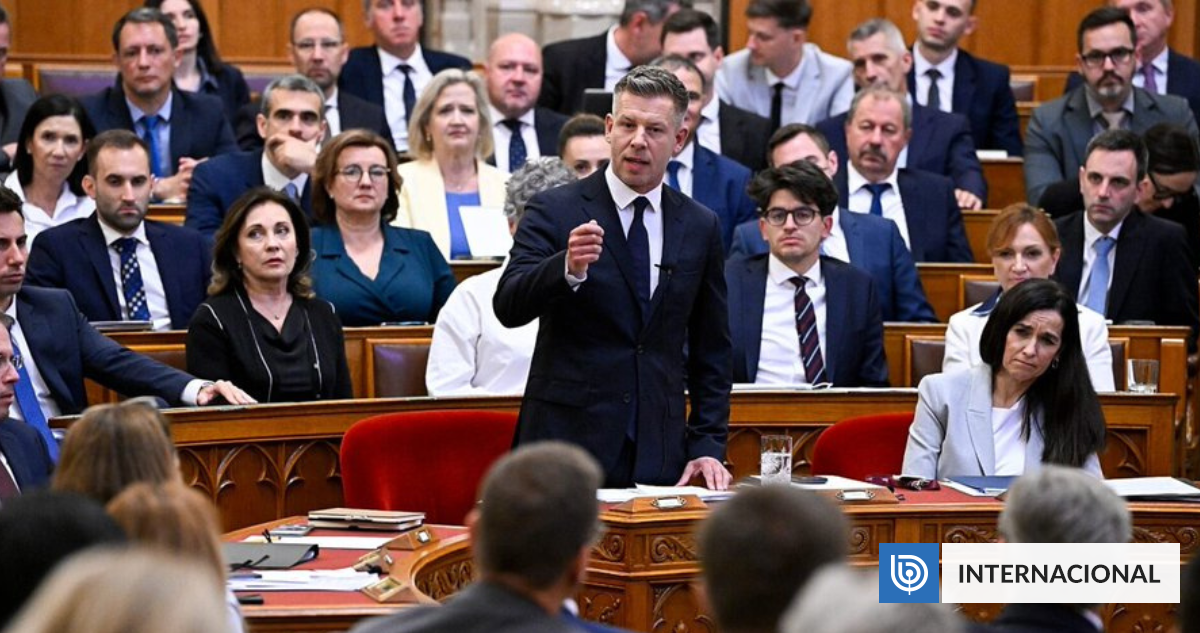
Hungarian lawmakers have moved to reduce their own base salaries by as much as 40%, a decision finalized this week without any dissenting votes in the national parliament. The measure, which adjusts the compensation structure for members of the legislative body, establishes a new base monthly salary of 3,600 euros, according to parliamentary records from June 8, 2026. This adjustment marks a significant shift in the country’s approach to legislative remuneration, reflecting broader efforts to manage public sector expenditure.
The decision to implement this reduction was reached in a session where the lack of opposition votes signaled a rare moment of consensus across the political spectrum. By setting the base pay at 3,600 euros, the government aims to recalibrate the economic standing of its representatives in relation to the average national income. Official documentation provided by the Hungarian National Assembly outlines that this policy takes effect immediately, impacting all sitting deputies.
Understanding the Parliamentary Pay Adjustment
The legislative change focuses on the base salary component, which serves as the foundation for the total compensation packages received by members of the Hungarian National Assembly. While the base pay has been capped at 3,600 euros, the specific calculations for individual deputies may still vary based on committee assignments, leadership roles, and other parliamentary responsibilities that carry separate, regulated allowances. This structural change is part of a wider legislative package designed to demonstrate fiscal responsibility to the electorate.
According to the official Acts of the Parliament, the reduction is intended to align political compensation with the economic realities faced by the broader population. By securing a unanimous vote, the governing coalition and opposition parties have effectively neutralized potential political fallout regarding the optics of legislative pay during a period of economic transition. This legislative action follows several months of debate regarding the sustainability of current public sector salary structures.
Impact on Legislative Operations and Representation
The adjustment to deputy salaries is expected to remain a point of discussion as the government prepares for the next session of the assembly. Critics and supporters alike are watching to see if this reduction in base pay influences the composition of future candidate pools or affects the day-to-day operations of the committees. The Office of the Speaker has confirmed that the administrative transition to the new pay scale is already underway, with the first adjusted pay cycles scheduled for late June 2026.
For citizens and observers, the primary indicator of the policy’s long-term success will be the subsequent reports from the Hungarian Central Statistical Office, which tracks public sector wages and national income trends. While the immediate focus is on the 40% reduction, analysts note that the broader impact on the national budget remains to be seen once the full fiscal year data is collected. The next official update regarding parliamentary administrative procedures is slated for the plenary session scheduled for later this month.
We invite our readers to share their perspectives on these fiscal developments in the comments section below. For ongoing updates on legislative proceedings in Budapest, you may monitor the official Parliamentary News Portal.
Keep reading