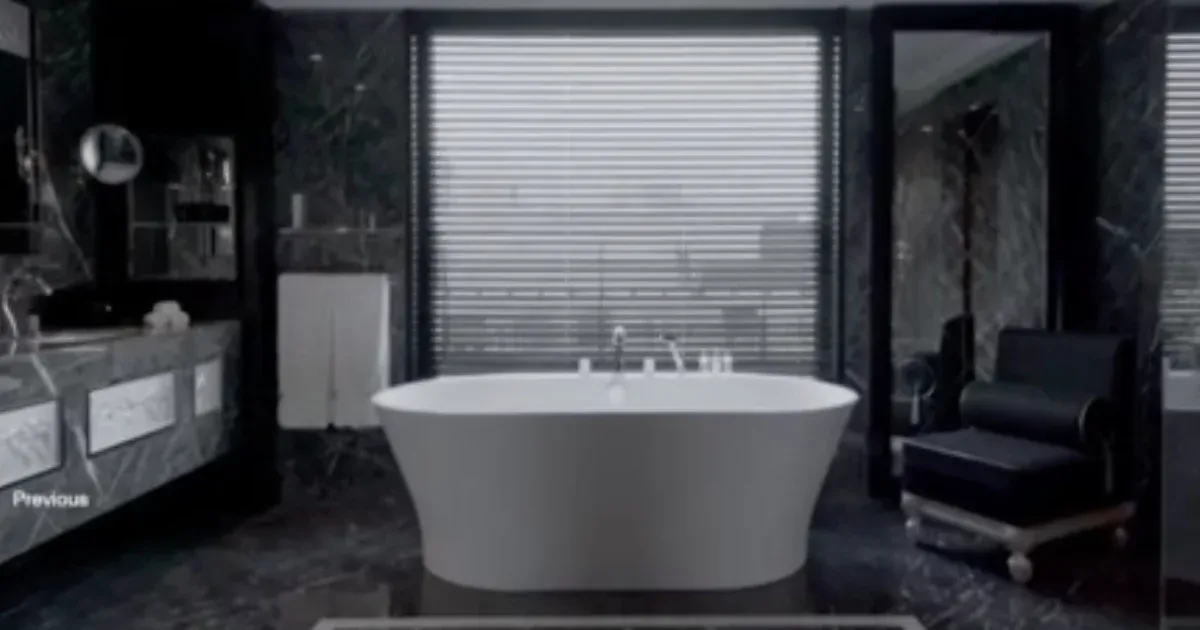
Márton Nagy, the Minister for National Economy in Hungary, has faced scrutiny regarding his official travel expenditures and the selection of luxury accommodation during his duties. Recent public records and disclosures have brought attention to the costs associated with the minister’s stays in five-star hotels, highlighting a pattern of spending that has drawn interest from political observers and the public regarding the use of taxpayer funds.
The core of the discussion centers on reported daily rates for hotel accommodations, which have reached approximately one million Hungarian forint per night. These figures, which have been surfaced through investigations into government spending transparency, underscore a broader debate in Hungary concerning the fiscal responsibility of high-ranking government officials and the standards applied to their international and domestic travel arrangements. According to the Ministry for National Economy, the minister’s travel is conducted in accordance with official protocols, though critics argue that the choice of high-end establishments warrants a more rigorous justification of public expense.
The conversation surrounding these expenditures is part of a larger, ongoing effort by various stakeholders to track the financial footprint of government ministers. For those following the developments, official information regarding ministerial travel policies can be reviewed through the Hungarian National Assembly, which provides oversight on government budgets and administrative spending.
Transparency and Public Spending
The inquiry into Márton Nagy’s hotel stays highlights the challenges of monitoring discretionary spending within the executive branch. When public officials utilize premium services, the resulting costs often become a flashpoint for discussions on budgetary discipline. In the current economic climate, where inflation and fiscal management are central to government policy, the optics of high-cost accommodation are subject to intense scrutiny.
According to reports analyzing public expenditure, the costs associated with certain ministerial trips have prompted requests for greater transparency in how travel budgets are allocated. The Ministry for National Economy, led by Nagy, is responsible for shaping national economic strategy, which includes managing inflation and investment. Consequently, the contrast between the ministry’s public-facing economic messaging and the reported travel spending has been noted by analysts as a point of potential political friction.
The Role of Oversight Bodies
In Hungary, oversight of ministerial spending is primarily the domain of the State Audit Office (Állami Számvevőszék), which is tasked with ensuring that public funds are used efficiently and in compliance with the law. While the office periodically releases reports on the financial health of ministries, specific line-item details regarding individual hotel bookings are often only brought to light through specific data requests or investigative reporting.
The legal framework governing these expenditures is established under the Act on Public Finances, which mandates that all state spending must be justified by official necessity. When questions arise regarding the necessity of five-star lodging, the burden of proof rests on the ministry to demonstrate that such choices provided a functional benefit to the state—such as proximity to essential international summits or secure facilities for sensitive negotiations. Citizens looking for official data on these audits can find periodic reports on the State Audit Office of Hungary website.
What Happens Next
The scrutiny of these expenses is unlikely to dissipate immediately. As the Hungarian Parliament continues its sessions, opposition lawmakers have frequently utilized the interpellation process to demand itemized breakdowns of ministerial travel costs. This parliamentary mechanism allows members to question ministers directly on the floor, forcing them to provide formal justifications for their administrative choices.

Future updates on this matter will likely emerge during upcoming budget committee hearings, where the Ministry for National Economy must defend its annual spending projections. For those interested in the formal proceedings, the National Assembly’s official calendar tracks upcoming committee meetings and sessions where these issues are traditionally addressed. As the situation develops, public interest remains focused on whether new guidelines will be implemented to cap travel-related costs for government officials.
We welcome your perspectives on the balance between professional representation and fiscal restraint in government. Please share your thoughts or follow our ongoing coverage as we track future budget reviews and parliamentary updates regarding this issue.
Keep reading