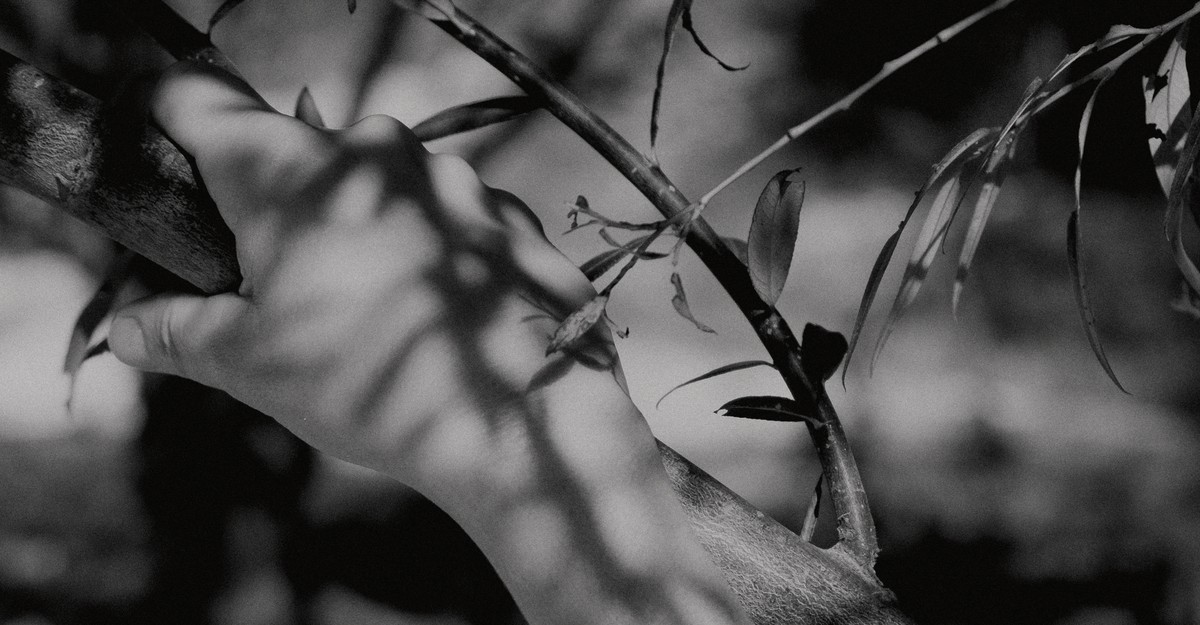
The instinct to seek a vantage point, to survey the landscape, is deeply ingrained. It’s a primal urge, a need to understand the terrain, to anticipate both opportunity and threat. This impulse, explored in fragments of memory and observation, speaks to a complex relationship between humanity and the natural world, a dance between dominance and vulnerability. The act of climbing—whether into the branches of an oak or a white pine—becomes a metaphor for seeking clarity, for attempting to grasp something elusive, something just beyond reach. It’s a search for understanding, for connection, and, perhaps, for a sense of control in a world often defined by its inherent unpredictability.
The pursuit of game, particularly large game like deer, has long been intertwined with this need for perspective. Hunters, historically and presently, have sought elevated positions to gain an advantage, to scan the forests and fields for signs of life. But the act of hunting, as depicted in these recollections, is not simply about the kill. It’s about the process, the tracking, the observation, and the often-uncomfortable reckoning with the consequences of taking a life. The “rustle of hoof and pulp of blood” evokes a visceral reality, a stark reminder of the inherent violence embedded within the natural order. This isn’t a romanticized vision of the hunt; it’s a raw, honest portrayal of a deeply complex act.
The Weight of the Shot, the Search for Meaning
The initial scene, unfolding in a “swamp’s edge,” centers on a failed shot and the subsequent pursuit of a wounded buck. The hunter’s climb into the bur oak isn’t driven by optimism, but by a desperate attempt to locate a deer already slipping away. The image of the hunter “hungry over earth” suggests a relentless, almost obsessive search, a need to rectify a mistake. The “shame-shadowed” face speaks volumes about the emotional toll of imperfect aim, the recognition of causing unnecessary suffering. This isn’t a celebration of hunting prowess; it’s an exploration of the ethical weight carried by those who take part in it. The description of the buck’s potential fate – “slow and alone in the mouth of the woods” – is particularly poignant, highlighting the vulnerability of the animal and the hunter’s indirect role in its demise.
The evocative imagery – “scarlet waxing the moon of a tick,” “blackberry sheen of a buzzard’s coat” – transforms the natural world into a canvas of both beauty and decay. These details aren’t merely descriptive; they’re symbolic, hinting at the cyclical nature of life and death, the inevitable return of all things to the earth. The language is deliberately poetic, elevating the scene beyond a simple recounting of a hunting trip and into a meditation on mortality and the interconnectedness of all living things. The use of color and texture creates a vivid and unsettling atmosphere, drawing the reader into the hunter’s internal landscape.
A Different Ascent, a Different Burden
The second section shifts the focus to a different kind of ascent, a climb up a white pine during a winter excursion. This journey, undertaken with a companion – identified as “Sophie” – is framed by a sense of lightness and liberation. The act of tying coats to tree trunks, described as “a gift, an embrace,” suggests a shared experience, a ritualistic shedding of burdens. The landscape itself – “the air thinned and the land went blue” – contributes to the feeling of transcendence. This isn’t a hunt, but a pilgrimage, a deliberate attempt to connect with nature and with each other.
Though, this sense of peace is subtly undermined by an undercurrent of anxiety. The darkening landscape – “dusk…then darkness like a minnow net” – foreshadows a growing sense of disorientation and fear. The realization that “we did not know he was afraid” is particularly unsettling, suggesting a failure of communication, a hidden vulnerability. The hunter’s climb into the white pine, ostensibly to search for “some sign of home,” is revealed to be motivated by a deeper, more primal fear. The final image – “Look how he sways in the treetop, we thought. See how his head brushes the sky” – is both beautiful and unsettling, highlighting the precariousness of his position and the fragility of human existence. The climb, initially presented as a search for direction, becomes a symbol of isolation and uncertainty.
The Psychology of Seeking Higher Ground
The recurring motif of climbing in both scenarios speaks to a fundamental human desire to gain perspective, to transcend limitations. In the first instance, the climb is driven by a need to rectify a mistake, to understand the consequences of an action. In the second, it’s motivated by a more ambiguous longing, a search for connection and a sense of belonging. Both scenarios, however, reveal the inherent risks associated with seeking higher ground, both literally and metaphorically. The hunter in the oak is burdened by guilt and regret, while the climber in the pine is haunted by a sense of unease and vulnerability. MeatEater discusses how hunters often prioritize quick follow-up shots, suggesting a need for preparedness and control in unpredictable situations.
The contrast between the two scenes likewise highlights the complex relationship between humans and the natural world. In the first scenario, the hunter is an active participant in the cycle of life and death, a predator attempting to exert control over his environment. In the second, he is a more passive observer, a vulnerable creature seeking shelter and guidance from the landscape. Both scenarios, however, demonstrate the inherent limitations of human power and the enduring mystery of the natural world. The forest, in both instances, remains an enigmatic and ultimately unknowable force.
The Role of Observation in Understanding
The act of observation is central to both narratives. The hunter meticulously tracks the wounded buck, scrutinizing the landscape for signs of its passage. The climbers carefully scan the horizon, searching for landmarks and clues. This emphasis on observation underscores the importance of paying attention to detail, of being present in the moment. It also suggests that true understanding requires a willingness to relinquish control, to allow the landscape to reveal its secrets on its own terms. The hunter’s initial failure is attributed to a lack of attention, a failure to fully appreciate the animal’s behavior and the complexities of the terrain. The climbers’ disorientation is a consequence of their inability to anticipate the changing conditions and to recognize the subtle signs of danger.
The descriptions of the natural world are remarkably vivid and detailed, suggesting a deep familiarity with the landscape. The references to “oak root,” “bur oak,” and “white pine” demonstrate a specific knowledge of tree species and their habitats. The imagery of “scarlet waxing the moon of a tick” and “blackberry sheen of a buzzard’s coat” reveals a keen eye for color and texture. This attention to detail isn’t merely aesthetic; it’s essential to the narrative’s emotional impact. The landscape isn’t simply a backdrop; it’s an active participant in the story, shaping the characters’ experiences and influencing their perceptions.
these fragmented portraits offer a profound meditation on the human condition. They explore themes of guilt, fear, vulnerability, and the search for meaning in a world often defined by its inherent uncertainty. The act of climbing, whether driven by necessity or desire, becomes a metaphor for the human struggle to transcend limitations and to find a sense of connection in a vast and indifferent universe. The stories, while rooted in specific experiences, resonate with universal themes, inviting readers to reflect on their own relationships with nature, with each other, and with themselves.
As winter continues to grip much of the Northern Hemisphere, understanding safe outdoor practices remains crucial. Resources from organizations like the National Park Service offer guidance on winter hiking and safety precautions. The National Park Service provides detailed information on preparing for cold-weather conditions and avoiding potential hazards.
What resonates most from these evocative scenes? Share your thoughts in the comments below, and please consider sharing this article with others who might find it thought-provoking.
Worth a look