
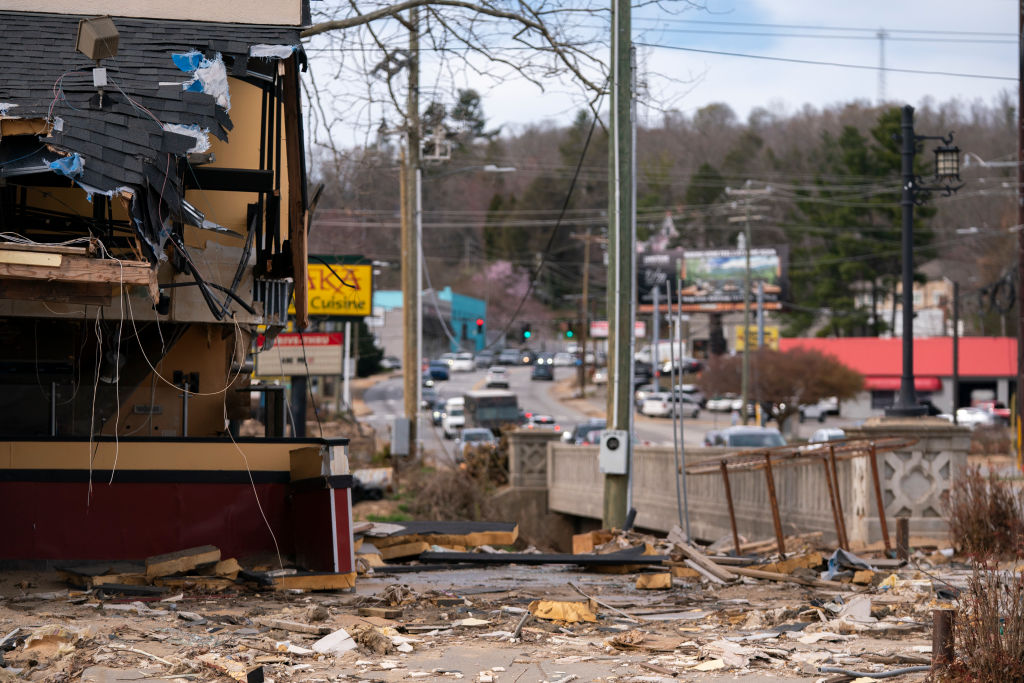
For millions of people navigating the grueling process of recovery from substance apply disorders, the stability of a treatment routine is not merely a preference—it is a lifeline. However, when catastrophic weather events strike, that stability often vanishes in an instant. From the destruction of clinics to the severing of communication lines, natural disasters create a secondary crisis for those in recovery, often triggering relapses and cutting off access to life-saving medications.
The vulnerability of these populations became starkly apparent in the wake of Hurricane Helene, which devastated western North Carolina in late September 2024. In cities like Asheville, the storm did more than destroy infrastructure; it dismantled the support systems essential for maintaining sobriety. For individuals relying on Medication-Assisted Treatment (MAT), the sudden loss of pharmacy access and clinic closures transformed a natural disaster into a desperate struggle against withdrawal.
Medical professionals and public health experts are now warning that the intersection of climate instability and the addiction crisis requires a fundamental shift in how disaster response is handled. Without specific protocols to protect medication pipelines and maintain behavioral health services, the aftermath of a storm can lead to a spike in overdose deaths and a collapse of years of clinical progress.
The ‘Apocalyptic’ Disruption of Care in Asheville
The scale of disruption following Hurricane Helene highlighted the fragility of addiction treatment networks. In the mountains of North Carolina, the storm left many residents without power, water, or basic communication. For people like Toni Brewer, a resident of Asheville, the immediate aftermath was a race for survival that extended beyond physical safety to the preservation of her recovery. Following the storm, Brewer found herself without power or water, with roads blocked by fallen trees and internet communications wiped out, forcing her to travel over an hour southwest to secure necessary resources.

The impact on the local healthcare landscape was described by some as apocalyptic
. Many of the “healers” and counselors who had established a community of wellness in Asheville saw their practices destroyed or rendered inaccessible. This loss of professional support occurs at the exact moment when trauma and stress—primary triggers for relapse—are at their peak.
Beyond the loss of counseling, the physical disruption of medication delivery posed the most acute risk. Medications such as Suboxone, used to reduce cravings and manage withdrawal symptoms for opioid use disorder, require consistent dosing. When pharmacies are flooded or roads are impassable, the risk of acute withdrawal increases, which can lead patients back to illicit and often lethal synthetic opioids to stave off the symptoms.
The Medication Gap: A Critical Failure in Disaster Planning
The struggle to maintain medication access during disasters is not unique to North Carolina, but recent events have prompted a call for systemic change. An editorial in the American Journal of Public Health, highlighted in reporting from April 2026, urges federal lawmakers to implement specific strategies to improve access to substance use medications during severe weather emergencies. The editorial suggests that the current “one-size-fits-all” disaster response fails to account for the unique needs of those on MAT.

Proposed solutions to bridge this gap include:
- Patient Registries: Establishing registries of patients with recovery medication prescriptions to ensure they are prioritized during evacuations and resource distribution.
- Prescription Flexibilities: Implementing emergency “prescription flexibilities” that allow patients to fill critical recovery medications at any pharmacy or via emergency prescriptions when their primary provider is unavailable.
- Strategic Stockpiling: Coordinating with the federal government to ensure that essential recovery medications are included in emergency stockpiles deployed to disaster zones.
The urgency of these measures is underscored by the fact that withdrawal from opioids can be physically agonizing and psychologically destabilizing, making individuals more susceptible to the trauma of the disaster itself. When the medical system fails to provide a bridge, the “black market” becomes the only available pharmacy, often leading to accidental overdoses due to the prevalence of fentanyl in illicit supplies.
The Psychological Toll and the Relapse Cycle
While the loss of medication is a primary concern, the psychological impact of natural disasters creates a fertile ground for relapse. According to research published in PubMed, the combination of trauma, the loss of social support networks, and the destruction of a “safe space” can trigger a return to substance use. Disasters strip away the environmental cues and routines that support sobriety, replacing them with chaos, and grief.
The Substance Abuse and Mental Health Services Administration (SAMHSA) has noted that people with substance use issues often face heightened stigma during disasters, which may prevent them from seeking help at general emergency shelters or medical tents. This “invisible” population may suffer in silence, experiencing withdrawal or mental health crises while surrounded by thousands of other survivors.
The recovery process is rarely linear, and a disaster can set a person back years. The loss of a home, a job, or a supportive community—compounded by the inability to access a therapist or a medication clinic—creates a “perfect storm” for relapse. For many, the disaster does not end when the floodwaters recede; it begins a new, more complex struggle with addiction.
Building a Resilient Recovery Infrastructure
To prevent future tragedies, behavioral health experts are advocating for “all-hazards planning” that specifically integrates addiction recovery. The SAMHSA Disaster Behavioral Health guidelines emphasize the need for coordination between state, local, and tribal partners to ensure that behavioral health services are not an afterthought in emergency management.
Effective resilience strategies include:
- Telehealth Redundancy: Developing satellite-based or low-bandwidth telehealth options so that patients can maintain contact with their providers even when traditional internet and cellular networks fail.
- Community-Based Support Hubs: Training community leaders and “peer recovery specialists” who can provide immediate, non-clinical support and help survivors navigate the path back to formal treatment.
- Integrated Emergency Management: Ensuring that FEMA and other emergency agencies are trained to recognize the signs of withdrawal and understand how to direct survivors to the nearest functioning MAT provider.
The goal is to move from a reactive model—where doctors scramble to find medications after a storm—to a proactive model where the recovery pipeline is as protected as the power grid.
Key Takeaways for Survivors and Caregivers
- Emergency Kits: Individuals on MAT should maintain a “recovery emergency kit” with a 14-to-30-day supply of medication, if safely possible and permitted by their provider.
- Digital Records: Keep a digital or physical copy of current prescriptions, provider contact information, and the nearest alternative pharmacies.
- Peer Networks: Establish a “sobriety buddy” system with others in recovery to check in during and after an emergency.
- Official Resources: Use the 1-800-662-HELP hotline or visit findtreatment.gov to locate alternative care options when local clinics are closed.
As climate-driven disasters increase in frequency and intensity, the vulnerability of the recovery community will only grow. The events in North Carolina serve as a critical warning: the health of a community is measured not just by how it rebuilds its bridges, but by how it protects its most fragile citizens from falling back into the cycle of addiction.
The next critical checkpoint for these policy changes will be the upcoming federal review of disaster health protocols, where advocates are pushing for the formal integration of MAT access into the National Incident Management System (NIMS). Until such mandates are in place, the burden remains on individual providers and patients to build their own safety nets.
Do you have experience navigating recovery during a natural disaster? Share your story or suggestions for better emergency protocols in the comments below to help us advocate for a more resilient system.