
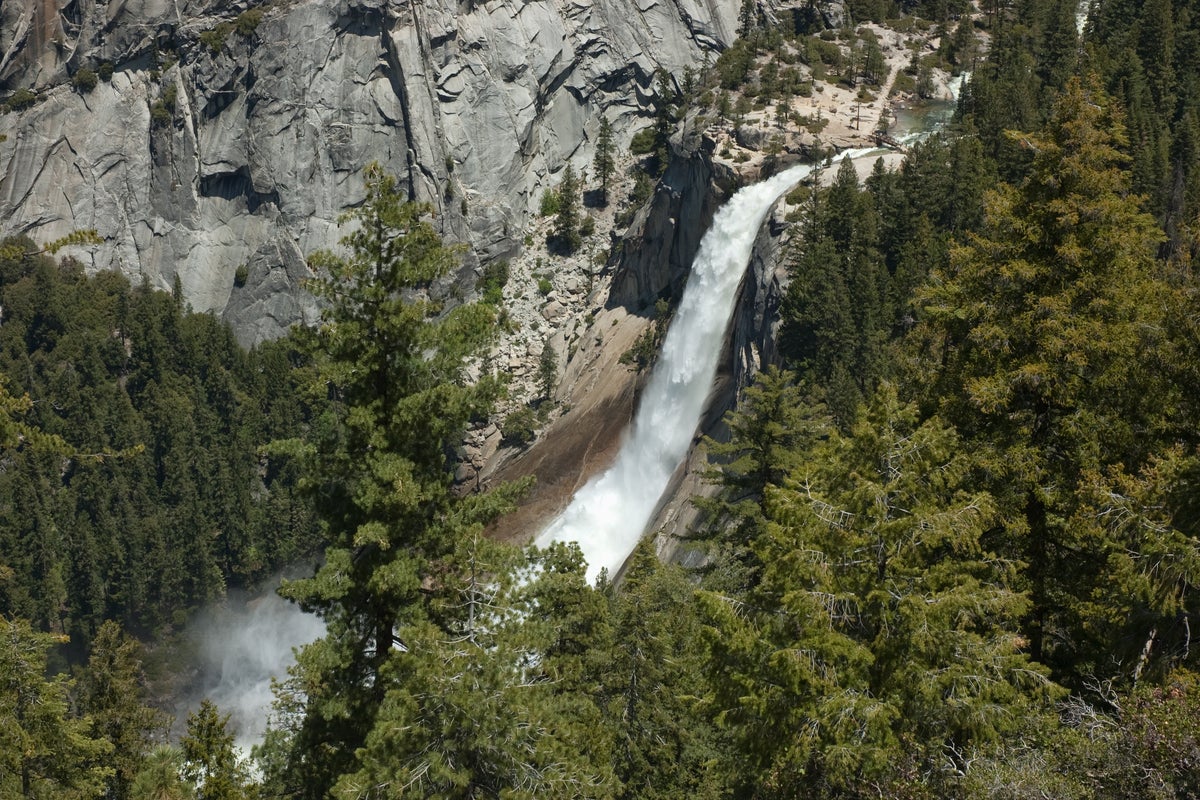
A visitor died after falling approximately 600 feet from the top of Nevada Fall in Yosemite National Park, according to park officials. The incident, which occurred in a high-traffic area of the park, prompted a multi-agency recovery operation and serves as a stark reminder of the inherent risks associated with the park’s steep, granite terrain.
The victim, whose identity has not been released pending family notification, was navigating the area near the top of the 594-foot waterfall when the fall occurred. National Park Service (NPS) personnel confirmed that the individual succumbed to injuries sustained during the descent. While investigations into the exact circumstances of the fall are ongoing, Yosemite officials have long emphasized that the park’s natural features, particularly near water edges and cliff drop-offs, present significant hazards to even experienced hikers.
According to the National Park Service safety guidelines, the granite surfaces surrounding Yosemite’s major waterfalls are often slick due to constant spray and mist, creating conditions where traction is unreliable. The park management maintains that visitors must stay on designated trails and adhere to posted warning signs to avoid life-threatening accidents in these high-altitude environments.
Understanding the Geography of Nevada Fall
Nevada Fall is one of the most iconic natural landmarks in Yosemite, located on the Merced River. It is frequently accessed by thousands of tourists annually via the Mist Trail, a steep, stone-staircase path that ascends alongside Vernal Fall and continues toward the top of Nevada Fall. The sheer volume of water cascading over the granite ledge makes the surrounding area a popular, yet precarious, destination for photography and sightseeing.

The risks associated with this specific location are well-documented in park safety records. In 2018, a separate incident involved a visitor who lost their footing and fell while attempting to take a photograph near the edge of the water. Such incidents have led the National Park Service to implement recurring public awareness campaigns focused on “social media safety,” urging visitors to prioritize physical footing over capturing images in dangerous, off-trail locations.
Historical Context of Park Accidents
Yosemite National Park spans nearly 1,200 square miles of mountainous terrain, and search-and-rescue operations are a frequent necessity. According to data provided by the Yosemite Search and Rescue (YOSAR) team, falls remain one of the leading causes of death within the park. The environmental factors—including loose rock, unpredictable weather, and the deceptive nature of granite slopes—often complicate recovery efforts for park rangers.
When comparing this recent tragedy to historical data, experts in mountain safety highlight that the majority of fatal falls occur in areas where visitors have stepped beyond clearly marked barriers. The combination of steep topography and the psychological urge to reach the absolute edge for a better view creates a recurring pattern of risk. Park officials continue to mandate that visitors remain behind stone walls and metal railings, which are installed specifically to prevent accidental slips on the polished, water-worn rock faces.
Safety Protocols and Future Updates
For those planning a visit to Yosemite, the park service provides real-time updates regarding trail conditions and safety closures on their official website. Visitors are encouraged to review the current conditions report before embarking on strenuous hikes. The park service has not indicated that any permanent closures of the Nevada Fall area will result from this most recent incident, but increased ranger presence and signage often follow such events to reinforce safety messaging.

As the investigation into this fatality proceeds, the primary focus for park authorities remains the recovery process and the subsequent reporting required for federal land management records. No further public hearings or administrative actions have been scheduled at this time. We invite our readers to share their thoughts on park safety and trail accessibility in the comments section below, and we encourage you to share this article to help spread awareness regarding the importance of staying on marked paths while exploring protected wilderness areas.