
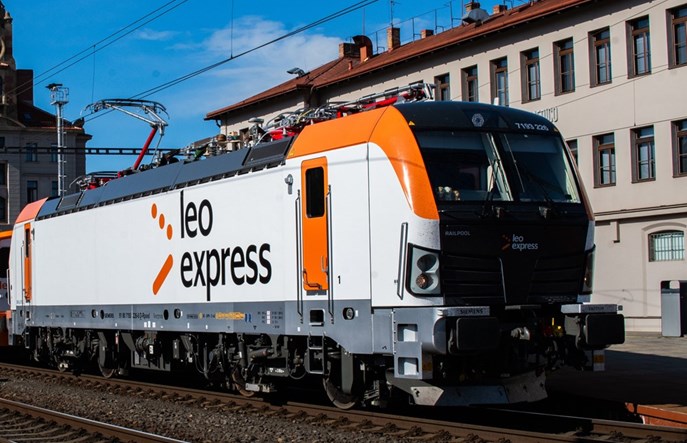
The Polish Office of Rail Transportation (UTK) has granted Leo Express the necessary regulatory approval to operate passenger rail services from Przemyśl, marking a significant step in the carrier’s expansion into the Polish market. This decision follows a formal review process during which the regulator evaluated and ultimately dismissed objections filed by the incumbent national operator, PKP Intercity, regarding the competitive impact of the proposed routes.
As the Chief Editor of the Business section at World Today Journal, I have monitored the liberalization of the European rail market for nearly two decades. The entry of private operators like Leo Express into the Poland-Germany-Czech Republic corridor is not merely a logistical update; it represents a shift in cross-border infrastructure policy. According to official regulatory filings, the decision confirms that the new services meet the requirements for “open access” operations, which are designed to foster competition and improve service frequency for international travelers.
Regulatory Approval and the Competitive Landscape
The authorization from the UTK, the national body responsible for supervising rail transport in Poland, allows Leo Express to add Przemyśl to its growing network of connections. The decision to reject PKP Intercity’s objections is a pivotal moment for the carrier, which has been seeking to solidify its presence in the region. Under European Union regulations governing rail transport, specifically those regarding the opening of the rail market to competition, regulators must ensure that new services do not jeopardize the economic equilibrium of existing public service contracts, as detailed in the Directive 2012/34/EU of the European Parliament and of the Council.
PKP Intercity had raised concerns that the new services might negatively impact their own passenger volumes and revenue streams on routes where they already operate. However, the UTK determined that the proposed Leo Express services provide distinct value and do not fundamentally undermine the public service obligations mandated by the Polish state. This ruling follows a trend of increasing oversight in the Central European rail sector, where national regulators are tasked with balancing the interests of state-owned enterprises with the European mandate for a unified, competitive railway area.
Strategic Expansion into the Polish Market
Leo Express has long signaled its intent to connect major hubs across Central Europe. While the company currently operates train services in the Czech Republic and Slovakia, its Polish operations have historically been supplemented by bus links. The ability to utilize rail infrastructure from Przemyśl—a key transit point near the border with Ukraine—strengthens the company’s position as a multimodal operator. According to the company’s official corporate updates, the carrier focuses on high-frequency, customer-centric services that cater to both long-distance commuters and international tourists.
The move to include Przemyśl is widely seen as an attempt to capture the growing demand for connectivity between the sub-Carpathian region and major European capitals. For travelers, this means more choice. By providing direct or integrated rail connections to cities like Prague or Frankfurt, Leo Express offers an alternative to the existing national rail network. Industry analysts note that such expansions typically lead to a “market stimulation effect,” where the availability of more options increases overall ridership, benefiting both the new entrant and the incumbent.
What Happens Next for Passengers
While the regulatory hurdle has been cleared, passengers should note that the transition from approval to full operation involves several operational phases. Leo Express must now coordinate with infrastructure managers to secure specific train paths and ensure that their fleet meets all technical standards required for the Polish rail network. As noted in the official records of the Office of Rail Transportation, operators must adhere to strict safety and interoperability protocols before any new cross-border service can officially commence.

The company has not yet released a definitive start date for the rail operations out of Przemyśl, citing the need for final logistical preparations. Potential passengers are encouraged to monitor the official Leo Express website for ticket availability and schedule updates. The next confirmed checkpoint in this process will be the publication of the final timetable by the infrastructure manager, which will dictate exactly when the first trains are expected to depart from the station.
The opening of the Polish rail market to private competition remains a developing story. As further details regarding the specific routes and frequency of the new Leo Express services emerge, we will provide updates. We invite our readers to share their thoughts on the evolving state of European rail connectivity in the comments section below.