
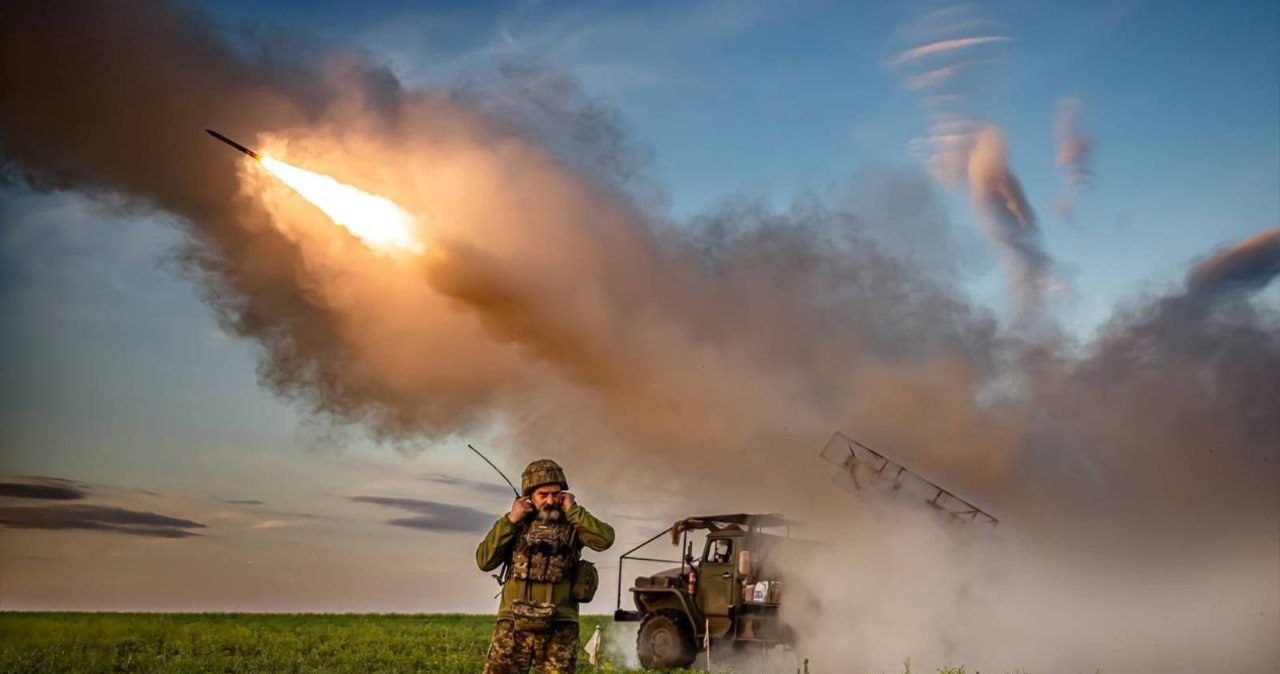
Ukrainian long-range drone operations targeted infrastructure in Russia’s Tula region overnight, marking another expansion of the conflict deep within Russian territory. Local residents reported hearing explosions and described a persistent, unusual odor following the strikes, according to regional government updates and local social media reports monitored by international observers. While Russian officials have characterized the event as a neutralized attack, the incident underscores the ongoing vulnerability of industrial and logistical nodes located hundreds of kilometers from the front lines.
The Tula region, situated south of Moscow, hosts several critical defense and chemical manufacturing facilities. These strikes follow a pattern of intensified Ukrainian efforts to disrupt Russian supply chains and fuel distribution networks. According to data from the Institute for the Study of War, the expansion of drone warfare into deep Russian rear areas serves as a strategic effort to force the Kremlin to redistribute air defense assets away from the active front lines in eastern and southern Ukraine.
Operational Impact and Regional Response
Following the reported strikes, Tula regional authorities initiated standard emergency protocols to assess damage to civilian and industrial infrastructure. While the Russian Ministry of Defense routinely reports the interception of incoming unmanned aerial vehicles (UAVs) over multiple regions—including Tula, Bryansk, and Belgorod—independent verification of specific damage remains difficult due to strict censorship laws in Russia, as noted by Reuters in their coverage of recent drone activity.

The “unusual odor” reported by residents often accompanies industrial fires or the destruction of chemical storage units. However, no official confirmation of a chemical leak or specific facility damage has been provided by the Russian Emergency Situations Ministry as of this writing. The ongoing, localized nature of these strikes reflects a broader, persistent trend in the conflict: a shift from static trench warfare to a war of attrition involving long-range assets that bypass traditional defensive perimeters.
The Broader Crisis in Russian Logistics
The strikes on the Tula region coincide with mounting reports of a severe fuel and energy deficit within the Russian interior. Industry analysts point to a combination of maintenance backlogs and the direct impact of drone strikes on oil refineries as the primary drivers of this instability. According to reports from the International Energy Agency, the disruption of refining capacity has created logistical bottlenecks that affect both military mobility and the domestic civilian market.

Russian aviation authorities have faced increasing pressure to manage fuel supplies, with some regional carriers requesting government intervention to stabilize costs and availability. The dilemma facing the Kremlin is twofold: prioritize the fuel requirements of the military’s “two fronts” or address the growing economic strain on the civilian economy. This tension is further exacerbated by international sanctions, which have limited the availability of specialized parts needed to repair damaged refining infrastructure, as documented by the European Council.
Strategic Implications for the Conflict
The decision to strike targets within the Tula region indicates a tactical shift in Ukraine’s approach to the war. By targeting facilities deep inside Russia, Kyiv aims to achieve two goals: degrading the Russian military-industrial complex and bringing the reality of the war closer to the Russian population. This strategy is intended to disrupt the perception of the war as a remote event, though the long-term impact on Russian political stability remains a subject of intense debate among geopolitical analysts.
The effectiveness of these strikes is often debated in international security circles. While some analysts argue that the strikes are largely symbolic, others, such as those cited in recent Associated Press reporting, suggest that the cumulative effect of these attacks significantly hampers Russian logistics. The logistical strain is not merely a matter of fuel; it is a matter of resource allocation. Every drone that reaches a target in Tula necessitates the movement of air defense systems from the front, potentially creating gaps that Ukrainian forces can exploit during ground operations.
Looking Ahead: Monitoring Industrial Stability
As the conflict enters this current phase, the focus for observers remains on the functionality of Russia’s energy sector and the capacity of its air defense network to protect critical interior sites. The next major indicator of the conflict’s trajectory will likely be the upcoming quarterly industrial output reports from the Russian Federal State Statistics Service, which will provide a clearer picture of whether the “sharp deficit” in fuel and materials is impacting overall combat readiness.

For those tracking these developments, official updates from the Russian Ministry of Defense and statements from the Ukrainian General Staff remain the primary, albeit often conflicting, sources of information. We will continue to monitor these reports for any verifiable changes in the situation on the ground. We invite our readers to share their analysis or insights in the comments section below as we track these unfolding events.