Hurricane Melissa‘s devastating Impact: Jamaica and Haiti Face a Long Road to Recovery
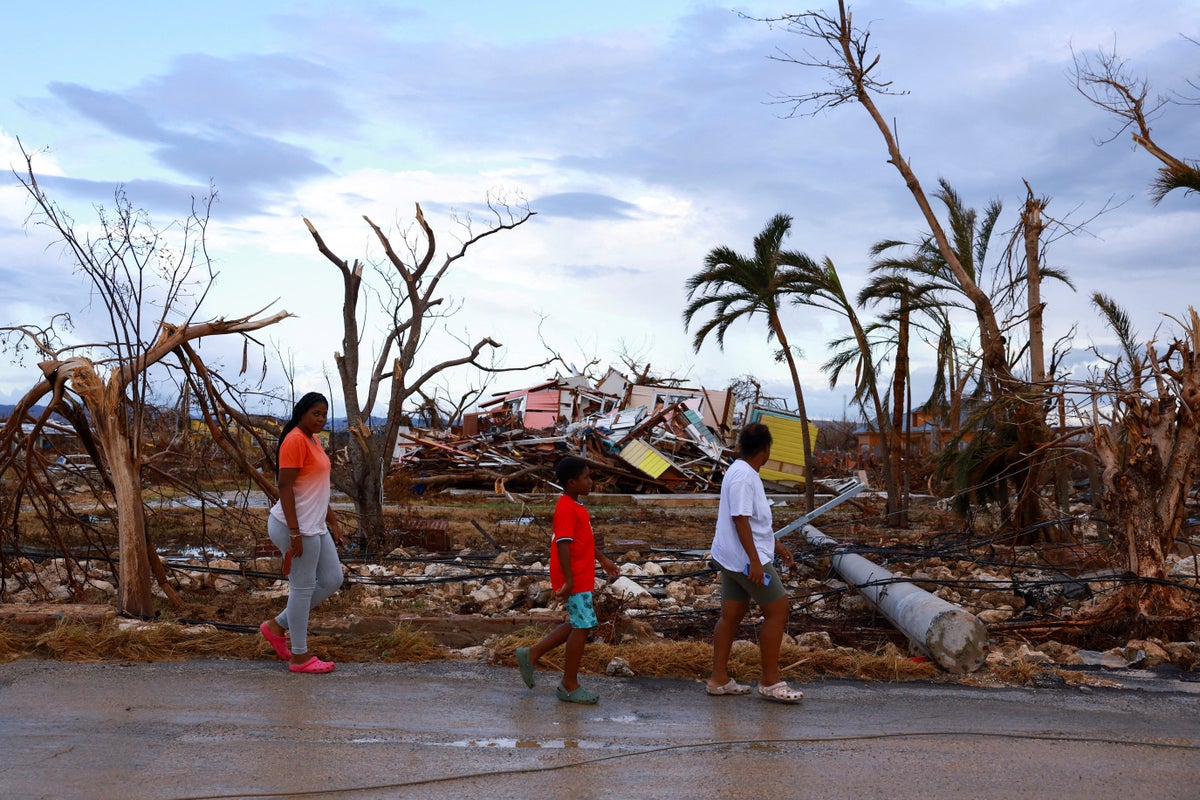
Hurricane Melissa recently carved a path of destruction through the Caribbean, leaving Jamaica and Haiti grappling with widespread devastation and a growing public health crisis. The storm’s impact extends far beyond initial wind and water damage, revealing deep vulnerabilities and urgent needs within these communities. This article details the immediate aftermath,emerging health concerns,and the critical need for sustained international support.
Jamaica Reels from Unprecedented Need
Jamaica,while accustomed to facing tropical storms,experienced a level of post-disaster need rarely seen before. Residents are facing a desperate struggle for basic necessities. You wouldn’t typically witness people openly requesting water or tarps simply to survive, according to observers on the ground.
The immediate aftermath revealed a stark reality: widespread displacement and a critical shortage of essential supplies. Diseases quickly became rampant, contributing to fatalities in the days following the hurricane’s landfall.
Here’s a breakdown of the emerging health threats:
* Leptospirosis: This bacterial infection, spread through contaminated floodwaters, has triggered a notable outbreak. Confirmed cases and deaths are directly linked to the hurricane’s aftermath.
* Tetanus: Injuries sustained during cleanup and repair efforts, such as stepping on nails, have led to confirmed tetanus cases and, tragically, fatalities.
* General Public Health Concerns: Overwhelmed healthcare systems and compromised sanitation are creating conditions ripe for the spread of other infectious diseases.
These health emergencies compound the existing challenges of damaged infrastructure and displacement, creating a complex humanitarian crisis.
Haiti Suffers Deadly Flooding
The outer bands of Hurricane Melissa unleashed torrential rainfall on Haiti, resulting in catastrophic flooding. at least 43 lives were lost as a direct result of these floods. The nation, already facing significant political and economic instability, is struggling to respond effectively to the disaster.
resilience and the Call for International Aid
Despite the immense hardship, a remarkable spirit of solidarity and resilience is emerging within affected communities. People are actively supporting one another, demonstrating a powerful determination to rebuild their lives.however, this local strength is not enough.
International support is absolutely crucial for long-term recovery. Providing aid isn’t simply about delivering supplies; it’s about restoring dignity and empowering communities to lead their own recovery.
Here’s what’s needed:
* Immediate Relief: Clean water, food, shelter, and medical supplies are paramount.
* Healthcare Support: Strengthening healthcare systems and addressing the outbreak of infectious diseases is critical.
* Infrastructure Repair: Rebuilding damaged homes, schools, and infrastructure is essential for long-term stability.
* Enduring Growth: Investing in long-term resilience measures to mitigate the impact of future disasters.
Communities are eager to demonstrate their strength and rebuild, but they need a helping hand. Supporting these nations is an investment in their future and a testament to our shared humanity. They want to show the world their true character – a character defined by amazing strength and resilience.
Worth a look