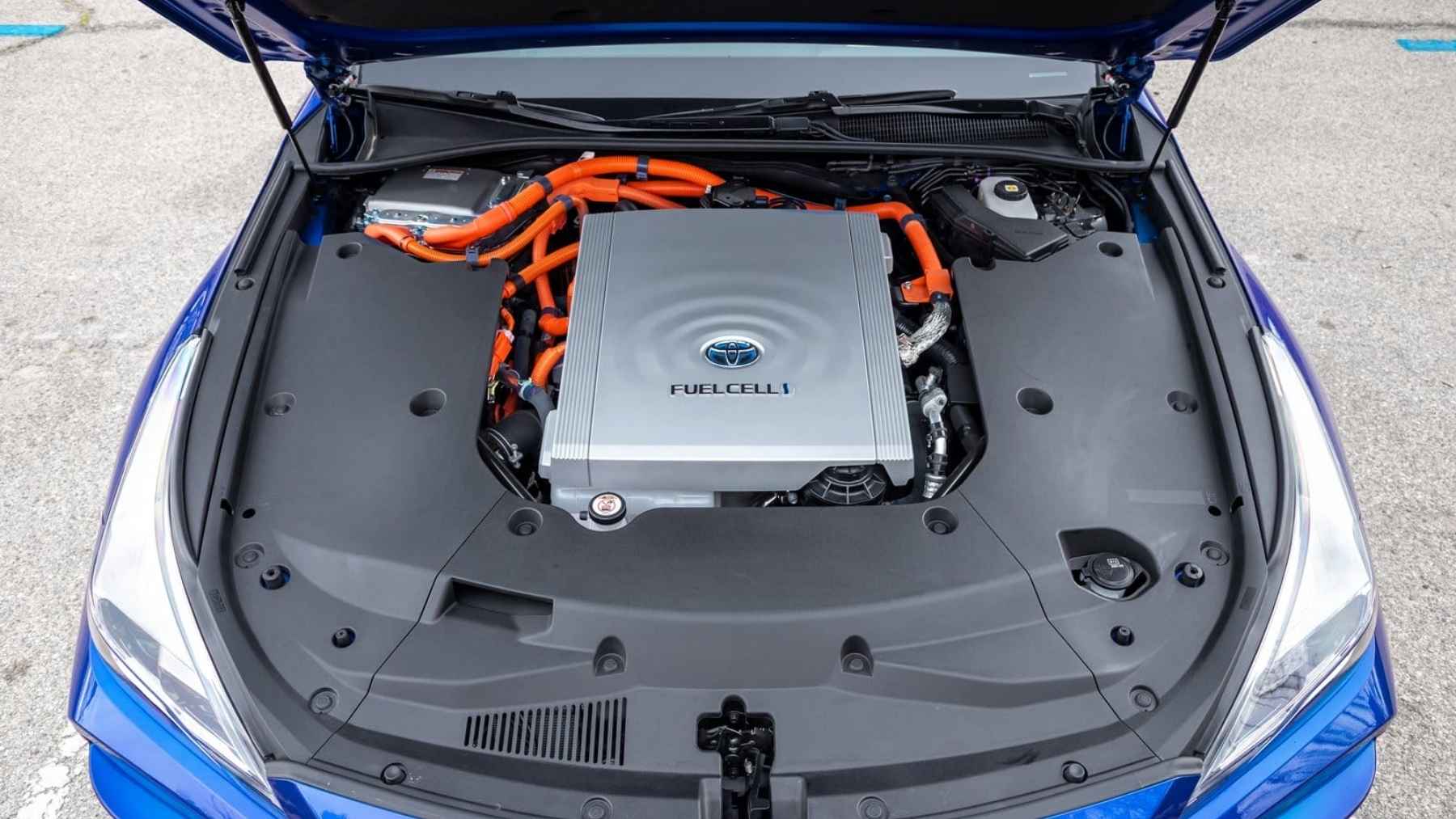
The global transition toward sustainable energy continues to face significant logistical and economic hurdles, particularly in the hydrogen fuel cell sector. While hydrogen is often touted as a cornerstone of carbon neutrality, the high cost of production and the scarcity of precious metals required for efficient electrolysis have long stalled mass-market adoption. However, a significant breakthrough in material science—specifically, a 90% reduction in the use of iridium for green hydrogen electrodes—could fundamentally change the economics of the industry, according to recent research from South Korean institutions.
For the automotive industry, these technical advancements are arriving at a critical juncture. As global markets grapple with shifting consumer preferences and fluctuating electric vehicle (EV) sales, the role of hydrogen-powered transport remains a subject of intense debate. While battery-electric vehicles (BEVs) have dominated the headlines, the inherent advantage of hydrogen fuel cell vehicles (FCEVs)—the ability to refuel in roughly five minutes—offers a compelling alternative for specific sectors, provided that the supply chain and infrastructure can keep pace with technological innovation.
Engineering Breakthroughs in Hydrogen Efficiency
The recent development in green hydrogen technology focuses on the optimization of electrodes, which are essential for the electrolysis process—the method used to split water into hydrogen and oxygen. Traditionally, this process has relied heavily on iridium, an extremely rare and expensive metal. By slashing the required iridium content by 90%, researchers are addressing one of the most significant cost barriers in the hydrogen supply chain. This advancement, detailed by researchers at the Fuel Cell Research Center in South Korea, marks a pivotal moment in making green hydrogen production commercially viable on a global scale.
This reduction is not merely a laboratory success; it has profound implications for industrial scalability. When the cost of production drops, the barrier to entry for energy infrastructure projects—such as district energy facilities for semiconductor clusters and large-scale power generation—narrows considerably. These advancements are being closely monitored by financial institutions, including Kookmin Bank, which has recently partnered with Hyosung Heavy Industries to expand financing for high-voltage direct current (HVDC) and broader energy infrastructure projects.
The State of the Hydrogen Vehicle Market
Despite the promise of rapid refueling and zero-emission operation, the market for hydrogen vehicles remains niche compared to the broader EV landscape. In the first quarter of 2026, the global EV market experienced turbulence, with total sales of battery electric, plug-in hybrid, and hydrogen fuel cell vehicles reaching 3.94 million units—a 2% decline compared to previous periods. This cooling of demand reflects a complex environment where consumers are weighing the benefits of different powertrain technologies against price, range, and charging or refueling accessibility.
The discrepancy between the technical capability of hydrogen vehicles and their current market penetration is stark. While the refueling process is often cited as a major advantage—allowing drivers to return to the road in minutes rather than hours—the lack of an extensive, globally integrated refueling network remains a primary deterrent for private buyers. Hydrogen strategy is currently shifting toward commercial and industrial applications where centralized infrastructure is easier to manage.
Strategic Industrial Positioning
Leading automotive manufacturers are responding to these challenges by pivoting toward specialized supply chain roles. Hyundai Motor Group, for example, has established its first overseas hydrogen fuel cell system production base, “HTWO Guangzhou,” in China. The facility has been recognized as a “Supply Chain Leader” by the Chinese government, positioning the company as a key player in the nation’s hydrogen energy transition. This recognition is particularly notable as it highlights the company’s role among a competitive field of over 60 global and local fuel cell system companies.
This strategic move underscores a broader trend: the hydrogen economy is being built from the top down. Rather than relying solely on individual consumer vehicle sales, the industry is focusing on national energy systems, carbon neutrality mandates, and the integration of hydrogen into existing industrial clusters. By embedding themselves into the core of these national energy goals, companies are creating a more stable foundation for the technology to mature.
Key Takeaways for the Hydrogen Sector
- Material Efficiency: Researchers have achieved a 90% reduction in iridium usage for green hydrogen electrodes, significantly lowering production costs for electrolyzers.
- Market Dynamics: The global EV market, including hydrogen vehicles, saw a 2% decline in Q1 2026, signaling a period of market adjustment for alternative powertrains.
- Infrastructure Focus: Financial institutions and industrial firms are increasingly prioritizing infrastructure projects, such as HVDC and district energy systems, over private consumer vehicle expansion.
- Global Leaders: Strategic production hubs, such as Hyundai’s HTWO Guangzhou, are playing a central role in national energy transitions, particularly in markets with strong government backing for hydrogen.
As we look toward the remainder of 2026, the focus for the hydrogen sector will remain on scaling these material breakthroughs and expanding the infrastructure necessary to support them. While the consumer market for hydrogen vehicles may currently be limited, the integration of hydrogen into industrial and energy-dense sectors continues to accelerate. Stakeholders are advised to monitor upcoming policy announcements and industrial financing reports as the energy transition continues to evolve.
What are your thoughts on the future of hydrogen versus battery-electric technology? Share your perspectives in the comments section below or join the conversation on our social media channels.
Worth a look