Ensuring the safety and well-being of children in early childhood education settings remains a paramount responsibility for educators and administrators worldwide. In South Korea, the importance of maintaining rigorous safety standards within daycare centers has led to an increased emphasis on professional development for childcare staff. Specifically, initiatives focused on practical safety management and risk mitigation are becoming essential components of professional training programs, such as those coordinated by regional support centers like the Busanjin-gu Support Center for Childcare.
For professionals working in early childhood education, staying current with safety protocols is not merely a regulatory requirement; it is a fundamental aspect of creating a secure environment where children can thrive. As these institutions navigate evolving safety mandates, the role of specialized training—often delivered by organizations like the Korea Childcare Safety Mutual Aid Association—becomes a critical bridge between policy and classroom practice. These training sessions often analyze real-world scenarios to provide actionable insights for teachers and administrators.
The Critical Role of Safety Education in Childcare
Childcare teachers face a complex array of challenges, ranging from preventing accidents during play to managing emergency medical situations. The focus on “safe daycare centers through key case studies” reflects a shift toward evidence-based training. By reviewing documented incidents, educators can better identify potential hazards in their daily environments, such as playground equipment safety, indoor air quality, and fire prevention protocols. According to the Ministry of Health and Welfare of South Korea, continuous professional development is a statutory obligation for childcare staff to ensure the health and safety of children under their care.
Training sessions held at local hubs, such as the Busanjin-gu Support Center for Childcare, typically provide a venue for instructors—often experts from safety-focused non-profits or government agencies—to share data-driven recommendations. When a specialist from an organization like the Korea Childcare Safety Mutual Aid Association leads a seminar, they are tasked with distilling complex safety regulations into practical, classroom-ready strategies. This process helps teachers move beyond theoretical knowledge to understand the nuances of risk management.
Navigating Training Programs and Compliance
For those seeking to participate in these professional development opportunities, the application process is generally centralized through regional support centers. In the case of Busanjin-gu, the Busanjin-gu Support Center for Childcare serves as the primary portal for teachers to register for mandatory and elective courses. These centers play a vital role in localizing national policy, ensuring that teachers in specific districts are informed about local safety codes and reporting requirements.
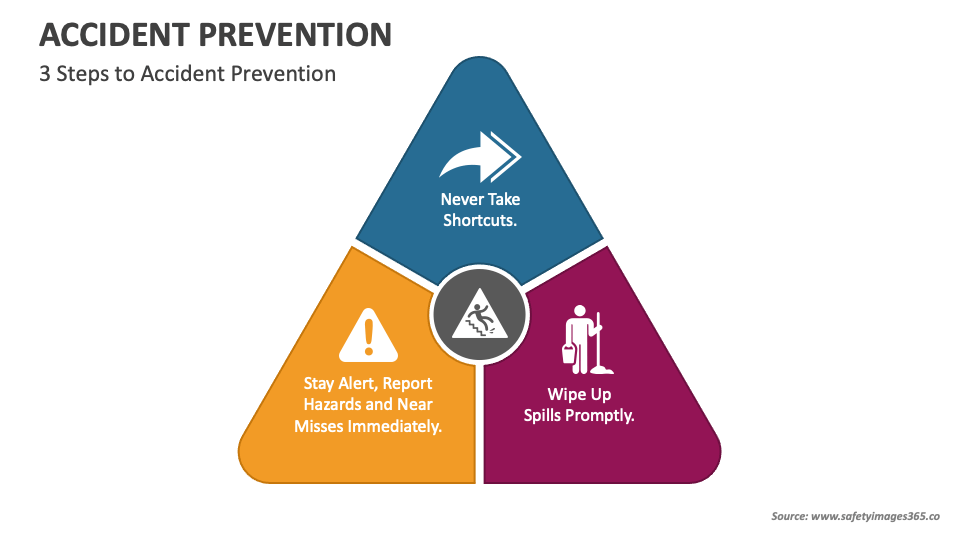
Professional development in this sector usually covers several key pillars of safety:
- Accident Prevention: Analyzing common causes of childhood injuries and implementing preventative measures.
- Emergency Response: Standard operating procedures for medical emergencies, including CPR and allergy management.
- Facility Maintenance: Regular inspections of equipment and physical infrastructure to meet national safety standards.
- Reporting Obligations: Understanding the legal requirements for reporting incidents to local authorities.
The commitment to these standards is supported by the Central Support Center for Childcare, which provides comprehensive resources for teachers nationwide to ensure consistency in care quality across provinces and districts.
Why Case-Based Learning Matters
Why do case studies remain the gold standard for safety training? In my 18 years covering economic and social policy, I have observed that abstract regulations often fail to resonate until they are connected to tangible outcomes. By studying past incidents—ranging from minor playground mishaps to more significant safety breaches—educators gain a heightened sense of situational awareness. This methodology allows instructors to demonstrate exactly where communication or oversight may have faltered and, more importantly, how those gaps can be closed.
These sessions often emphasize a culture of “proactive safety.” Rather than waiting for an inspection to identify a hazard, teachers are encouraged to conduct their own daily risk assessments. This shift in mindset transforms the teacher from a passive observer of safety rules into an active architect of a secure learning environment. It is a vital component of the broader effort to maintain public trust in the early childhood education system.
Future Outlook and Professional Growth
As we look toward the future, the integration of digital tools in safety training is likely to grow. From virtual reality simulations of emergency scenarios to online reporting dashboards, the technology available to support childcare professionals is evolving rapidly. However, the core of the profession remains the human element: the teacher’s constant vigilance and commitment to the welfare of the children.

For childcare professionals in Busanjin-gu and beyond, the path forward involves regular engagement with regional support centers. Whether through in-person seminars at centers like the local hub or via official online portals, continuous learning is the hallmark of a dedicated educator. Keeping informed about the latest updates from the Ministry of Health and Welfare ensures that teachers remain compliant with the latest legal mandates while providing the best possible care.
The next steps for any educator looking to advance their safety credentials should involve checking the official schedule provided by their district’s support center. These centers frequently update their training calendars to include seasonal safety topics, such as heatstroke prevention in summer or respiratory health in winter. Remaining proactive in your professional development not only benefits the children but also strengthens your standing as a professional in the early childhood education sector.
Have you attended a recent safety training session in your district? Share your experiences and insights in the comments section below, or join the conversation on our social media channels to help us build a more informed community of childcare professionals.
Worth a look