
Researchers and agricultural technologists are repurposing common roadside weeds as high-protein supplements for porcine diets. These plants, often classified as invasive pests, contain high concentrations of essential minerals and proteins that can replace expensive soybean-based feeds, offering a more sustainable and cost-effective solution for the global swine industry.
The global livestock sector is facing a dual crisis: the skyrocketing cost of traditional protein sources and the environmental degradation caused by intensive soy production. For decades, soybean meal has served as the gold standard for pig nutrition, providing the amino acids necessary for growth. However, the expansion of soy monocultures has been a primary driver of deforestation in regions like the Amazon and the Cerrado. As food security concerns rise, the agricultural technology sector is looking toward “waste” biomass—specifically nutrient-dense roadside weeds—to bridge the nutritional gap.
This shift toward alternative protein for pig feed represents a move into circular economy principles within AgTech. Instead of managing weeds through chemical herbicides, producers are exploring ways to harvest this biomass and process it into functional, high-value animal feed. This approach aims to turn a management cost into a nutritional asset.
Why are roadside weeds being reconsidered for pig nutrition?
The primary driver behind this transition is the nutritional density of certain invasive plant species. Many common weeds, such as those in the Amaranthus genus, are biologically designed to grow rapidly in nutrient-poor environments. To achieve this growth, these plants develop highly efficient systems for extracting nitrogen and minerals from the soil, resulting in a concentrated nutritional profile.
According to agricultural researchers, these “hyper-protein” plants can contain protein levels that rival or even exceed traditional forage crops. When processed correctly, this biomass provides a consistent source of amino acids that are critical for porcine muscle development. By utilizing existing biomass that is already present in the landscape, farmers can theoretically reduce their reliance on the global soy market, which is subject to extreme price volatility due to weather patterns and geopolitical shifts.
Furthermore, the cost of acquisition is significantly lower. While soy must be cultivated, fertilized, and transported through complex global supply chains, many of these protein-rich weeds grow spontaneously along transit corridors and field margins. This reduces the “food miles” associated with animal feed production and lowers the overall carbon footprint of the swine lifecycle.
What minerals are found in these hyper-protein plants?
The term “purifying the diet” in a nutritional context refers to the ability of these plants to provide a balanced mineral profile that corrects common deficiencies in standard grain-based diets. Traditional pig diets often require synthetic mineral supplementation to ensure adequate intake of essential elements. Hyper-protein plants offer a biological alternative by delivering these minerals in a highly bioavailable form.
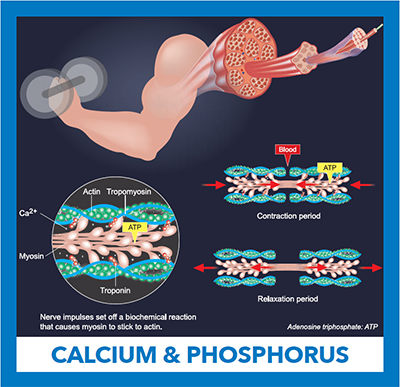
Key minerals identified in these plant varieties include:
- Calcium and Phosphorus: Essential for skeletal development and bone density in growing pigs.
- Magnesium: Plays a critical role in enzyme functions and metabolic processes.
- Potassium: Vital for maintaining fluid balance and nerve signaling.
- Trace Minerals: Many weeds act as natural accumulators of iron and zinc, which are necessary for immune system health.
By integrating these plants into porcine diets, producers may be able to reduce the volume of synthetic additives required. This biological approach to nutrition can lead to more stable metabolic health in livestock, potentially reducing the incidence of nutritional disorders that can affect growth rates and overall herd productivity.
How does this technology support the circular economy?
The integration of roadside biomass into the food chain is a hallmark of circular agriculture. In a linear model, weeds are destroyed via herbicides, and nutrients are lost to the environment. In a circular model, these plants are captured and cycled back into the production system as high-value inputs.
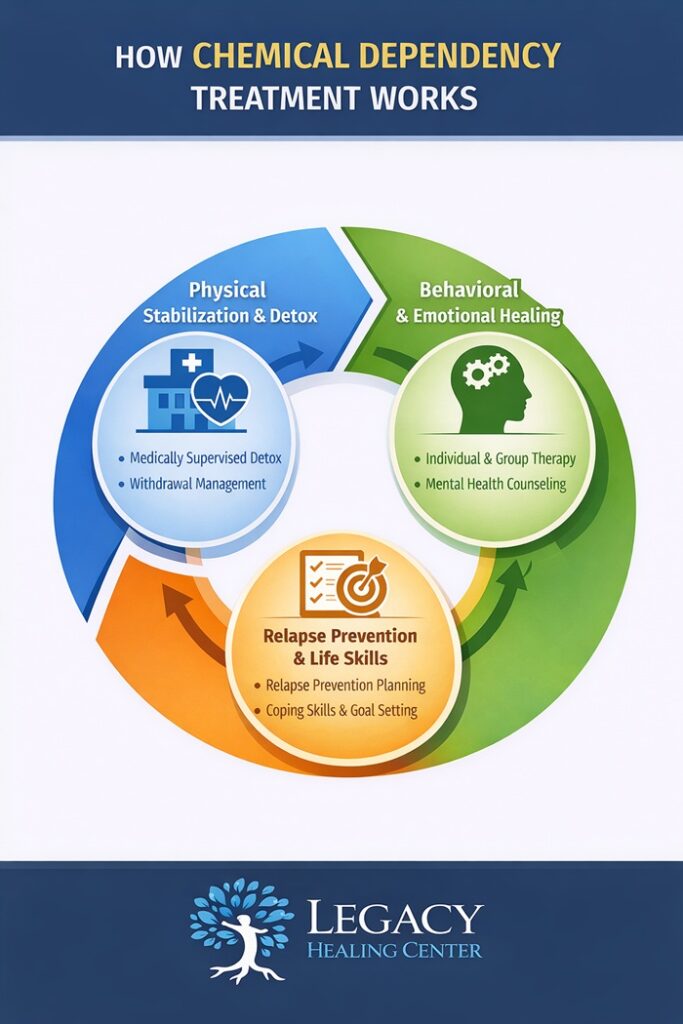
This transition has several cascading benefits for the agricultural industry:
1. Reduced Chemical Dependency: Utilizing weeds as a resource incentivizes integrated pest management (IPM) strategies. Rather than relying solely on broad-spectrum herbicides, farmers may adopt mechanical harvesting techniques that preserve soil health.
2. Land Use Efficiency: Using “marginal” biomass means that high-quality arable land can be reserved for human food crops rather than being diverted to animal feed production. This increases the overall caloric efficiency of global land use.
3. Carbon Sequestration: While the weeds themselves are harvested, the reduction in soy-driven deforestation means more natural ecosystems remain intact to act as carbon sinks.
This shift is not merely a local agricultural tweak; it is a fundamental change in how AgTech companies view biological “waste.” The ability to convert low-value biomass into high-value protein is a key objective for companies working on the intersection of biotechnology and sustainable livestock management.
What are the risks of using roadside biomass?
Despite the nutritional promise, using roadside plants introduces a specific set of technical and safety challenges. The most significant concern is the potential for heavy metal accumulation. Because many of these plants are “hyperaccumulators”—meaning they are exceptionally good at absorbing minerals from their surroundings—they can inadvertently absorb contaminants from vehicle exhaust, such as lead, cadmium, or arsenic.
If these contaminants enter the porcine diet, they could potentially bioaccumulate in the animal and eventually reach human consumers. Therefore, the commercial viability of this technology depends heavily on rigorous testing protocols. AgTech firms must develop standardized methods to ensure that harvested biomass meets strict safety thresholds for heavy metals and pesticide residues before it can be processed into feed.

Another challenge is nutritional consistency. Unlike controlled soy crops, the nutrient profile of roadside weeds can vary significantly based on soil composition, recent rainfall, and the specific species present in a given area. For large-scale swine operations, which require precise nutritional formulations to maintain growth targets, this variability represents a significant hurdle for automation and standardized feeding programs.
Current research is focusing on “controlled harvesting” and specialized processing techniques, such as fermentation or heat treatment, to stabilize the nutritional content and mitigate the risks of contaminants.
Comparing Traditional and Alternative Feed Sources
The following table compares the characteristics of traditional soybean meal with the emerging trend of using hyper-protein weed biomass for pig nutrition.
| Feature | Soybean Meal (Traditional) | Weed Biomass (Alternative) |
|---|---|---|
| Protein Content | High (approx. 44-48%) | Variable (High in specific species) |
| Environmental Impact | High (Deforestation/Monoculture) | Low (Uses existing biomass) |
| Cost Stability | Low (Subject to global markets) | High (Localized and abundant) |
| Nutritional Profile | Standardized Amino Acids | Mineral-rich/Bioavailable |
| Primary Risk | Land-use competition | Contaminant accumulation |
As the agricultural sector continues to seek ways to decouple meat production from environmental destruction, the role of alternative protein for pig feed will likely expand. The success of this movement will depend on the ability of biotechnologists to solve the problems of contamination and nutritional variability through advanced monitoring and processing technologies.
Regulatory bodies and agricultural departments are expected to provide further guidance on the safety standards for non-traditional feed biomass in the coming years. Monitoring of heavy metal levels in roadside vegetation remains a critical area for ongoing environmental studies.
What are your thoughts on the use of invasive species in the food supply chain? Do you believe the benefits of sustainability outweigh the risks of contaminant accumulation? Let us know in the comments below and share this article with your network.
Worth a look