
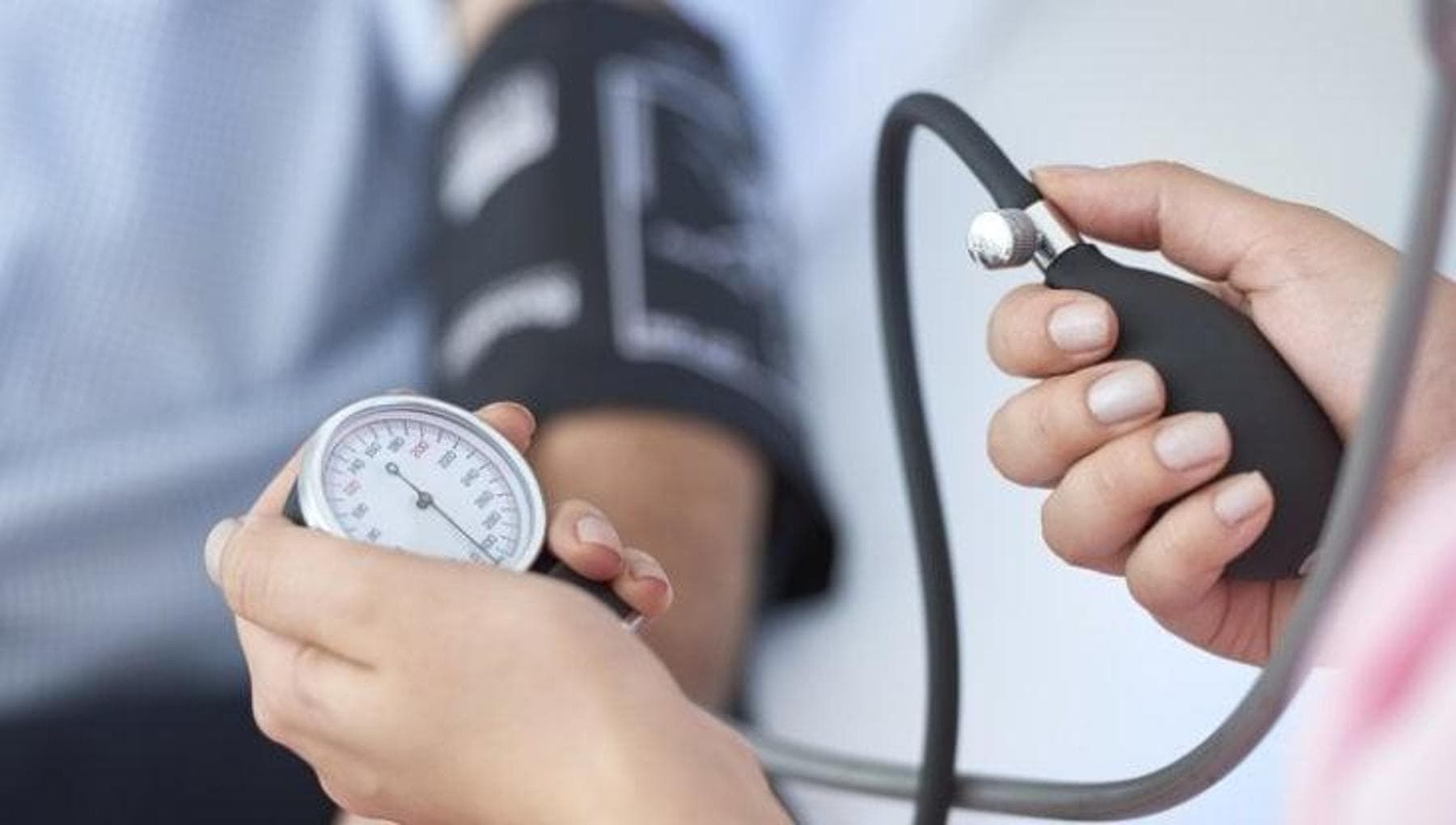
For decades, the medical community operated under a relatively stable consensus: a blood pressure reading of 140/90 mmHg was the gold standard for diagnosing hypertension. However, a significant shift in global clinical guidelines has fundamentally altered this landscape, lowering the threshold for what is considered high blood pressure
and effectively expanding the number of people classified as hypertensive.
This transition—most notably spearheaded by American guidelines—has sparked a complex debate among cardiologists and public health experts. While lowering the threshold aims to identify at-risk patients earlier and prevent catastrophic cardiovascular events, critics argue it risks the medicalization of healthy individuals and a surge in overdiagnosis and overtreatment.
As an internal medicine physician and health journalist, I have watched this tension evolve. The core of the issue is not merely a change in numbers, but a philosophical shift in preventive medicine: do we treat the number on the monitor, or do we treat the individual’s total risk profile?
The Shift: From 140/90 to 130/80
The most pivotal change occurred when the American College of Cardiology (ACC) and the American Heart Association (AHA) redefined hypertension. In 2017, these organizations lowered the threshold for Stage 1 hypertension from 140/90 mmHg to 130/80 mmHg
according to an official ACC announcement. This meant that millions of adults who were previously considered to have elevated
or pre-hypertensive
blood pressure were suddenly reclassified as having a chronic medical condition.

This policy shift was heavily influenced by the Systolic Blood Pressure Intervention Trial (SPRINT). This landmark study, which monitored 9,361 participants at increased risk for cardiovascular disease, suggested that targeting a systolic blood pressure of less than 120 mmHg—rather than the standard 140 mmHg—significantly reduced the rates of serious cardiovascular events and death as reported in the New England Journal of Medicine.
The logic is straightforward: if lower pressure equals lower risk of stroke and heart failure, then diagnosing and treating patients at a lower threshold should, in theory, save more lives. However, the practical application of this logic in a primary care setting is where the controversy intensifies.
The Risk of Overdiagnosis and Overtreatment
The primary concern for many clinicians is the phenomenon of overdiagnosis. When the diagnostic bar is lowered, the pool of patients eligible for medication expands exponentially. This leads to a critical question: does a 65-year-old with a reading of 135/85 mmHg truly benefit from lifelong medication, or are they being treated for a number that may never actually cause them harm?
Medical journals and professional critiques have highlighted the potential for overtreatment
, where the side effects of antihypertensive drugs—such as dizziness, fatigue, or electrolyte imbalances—may outweigh the marginal benefit of lowering blood pressure by a few points in low-risk individuals. Some experts argue that this approach risks turning a healthy population into a patient population according to analysis in The BMJ.
the discrepancy between international guidelines creates confusion for patients. While the ACC/AHA guidelines are aggressive, other bodies, such as the European Society of Cardiology (ESC) and the International Society of Hypertension (ISH), have historically maintained a more conservative threshold of 140/90 mmHg for office-based diagnosis as detailed by the American Academy of Family Physicians. This means a patient could be considered hypertensive
in New York but normal
in Berlin or Tokyo.
Comparing Global Thresholds for Hypertension
| Organization/Guideline | Hypertension Threshold (mmHg) | Primary Focus |
|---|---|---|
| ACC/AHA (USA) | 130/80 | Early intervention and risk reduction |
| ESC (Europe) | 140/90 | Balanced risk vs. Treatment burden |
| ISH (International) | 140/90 | Global applicability and accessibility |
Who is Affected and What It Means for Patients
The impact of these shifting thresholds is felt most acutely by those in the gray zone
—people with readings between 130/80 and 139/89 mmHg. For these individuals, the diagnosis often triggers a cascade of medical interventions: more frequent monitoring, lifestyle prescriptions, and potentially the introduction of pharmaceuticals.
This proves essential to understand that hypertension is often a silent killer
given that it rarely presents symptoms until a major event occurs. However, the psychological impact of a chronic diagnosis cannot be ignored. Being told you have a disease can lead to anxiety and a perceived loss of health, even if the clinical risk remains low.
For the average patient, this means the conversation with their doctor must move beyond the numbers. Instead of asking What is my blood pressure?
, the more important question is What is my overall cardiovascular risk?
This includes considering factors such as age, smoking status, cholesterol levels, and the presence of diabetes.
The Path Forward: Personalized Medicine
The future of hypertension management is moving away from a one-size-fits-all
number and toward a personalized risk-stratification model. Rather than treating every person with a 130/80 reading the same way, clinicians are increasingly using tools to determine who actually needs medication and who can be managed through lifestyle changes alone.
Lifestyle interventions remain the first line of defense and are universally recommended. These include:
- Sodium Reduction: Reducing salt intake to lower fluid retention and pressure.
- The DASH Diet: Emphasizing fruits, vegetables, and low-fat dairy.
- Physical Activity: Regular aerobic exercise to improve arterial elasticity.
- Weight Management: Reducing adipose tissue to lower the workload on the heart.
the use of home monitoring and 24-hour ambulatory blood pressure monitoring (ABPM) is becoming critical. This helps eliminate white coat hypertension
—the spike in pressure caused by the stress of being in a clinic—ensuring that patients are not misdiagnosed based on a single, elevated office reading.
Key Takeaways for Patients
- Numbers aren’t everything: A reading of 130/80 may be a warning sign for some but a normal variation for others.
- Risk is cumulative: Your doctor looks at your blood pressure in the context of your age, weight, and other health conditions.
- Lifestyle first: For many in the early stages of hypertension, diet and exercise can be as effective as medication.
- Verify at home: Maintain a log of home readings to provide your physician with a more accurate average.
As we move further into 2026, the medical community continues to refine these guidelines. The goal is to find the “sweet spot”—the threshold that captures enough high-risk patients to prevent strokes and heart attacks without over-medicating millions of healthy people.
Patients are encouraged to review their latest readings with their healthcare provider and request a comprehensive cardiovascular risk assessment. For those seeking official guidance, the latest updates from the American Heart Association and the European Society of Cardiology provide the most current evidence-based frameworks.
Do you feel the current blood pressure guidelines are too aggressive, or is earlier detection the only way to save lives? Share your thoughts and experiences in the comments below.