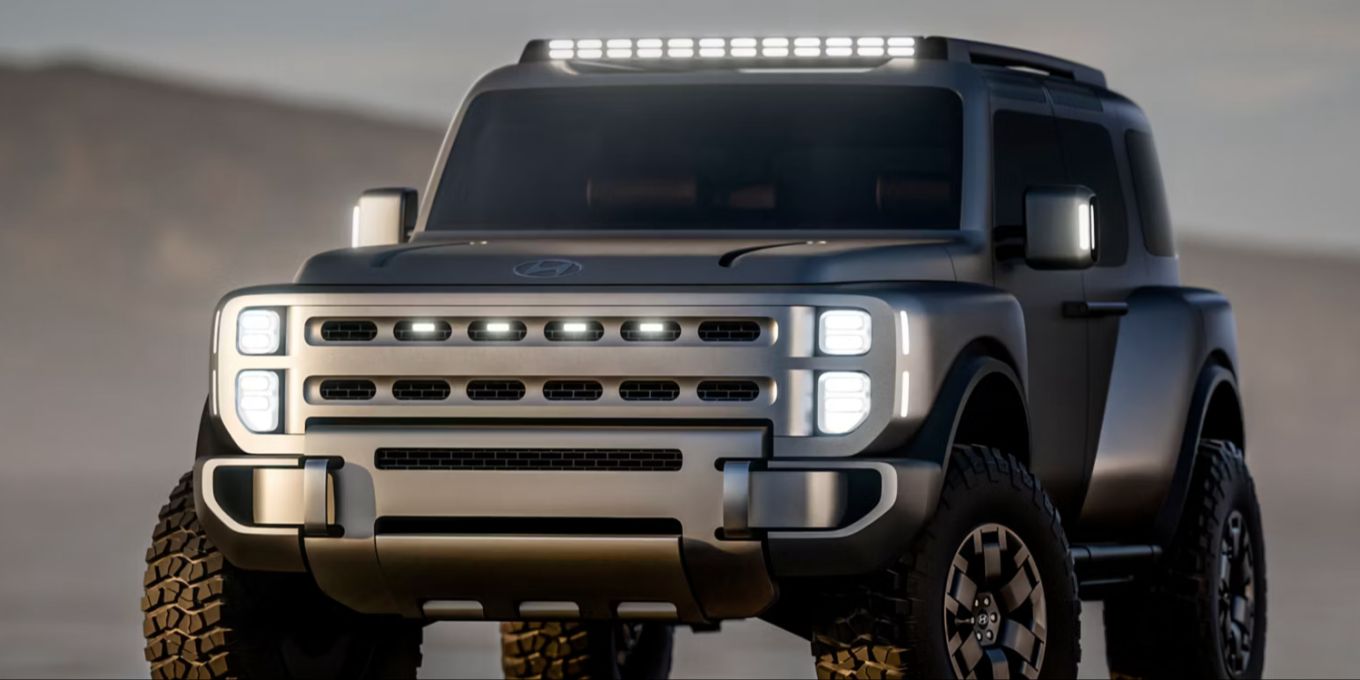
Hyundai has signaled a strategic shift toward the rugged North American market with the debut of the Hyundai Boulder Concept, a body-on-frame off-road SUV designed for serious adventure. Unveiled at the 2026 New York Auto Show, the concept marks a significant departure from the brand’s traditional unibody crossovers, aiming squarely at the enthusiast segment currently dominated by boxy off-roaders.
The reveal, which took place on April 1, 2026, was preceded by a calculated teaser campaign featuring a molten-looking rock in a barren landscape, playing on the “Boulder” name during April Fool’s Day. However, the vehicle itself is a serious statement of intent. Styled at the company’s U.S. Design center in California, the Boulder serves as a blueprint for Hyundai’s future in the truck and rugged SUV space, with the production version intended to be built in America using American steel according to MotorTrend.
By introducing a body-on-frame architecture, Hyundai is moving into a territory that prioritizes durability and towing capacity over the fuel efficiency and on-road manners of its existing SUV lineup. This move is part of a broader strategy to capture a larger share of the lifestyle and outdoor adventure market, positioning the brand alongside established competitors like the Ford Bronco and Jeep Wrangler.
The “Art of Steel”: Design and Off-Road Capabilities
The design philosophy guiding the Boulder Concept is termed “Art of Steel,” characterized by bold, creased lines and a rugged aesthetic. The exterior is finished in a specific shade called Liquid Titanium, emphasizing the vehicle’s industrial and durable nature. To handle extreme terrain, the Boulder is equipped with aggressive 37-inch mud-terrain tires, which are essential for enhancing its terrain-conquering capabilities as reported by Car and Driver.
Beyond the tires, the vehicle incorporates several functional design elements tailored for overlanding and outdoor utility:
- Safari Windows: Fixed upper windows designed to increase natural light within the cabin.
- Flexible Access: A power-down rear window and a side-hinge tailgate door that can be opened from either side of the vehicle.
- Loading Efficiency: The second row features rear-hinged coach doors to facilitate the loading of adventure gear.
- Tech Integration: The SUV utilizes advanced digital cameras and software to assist drivers in navigating difficult trails.
Inside, Hyundai has opted for a tactile experience over the modern trend of total digitalization. The cabin features physical knobs and buttons and fold-out tray tables, catering to users who require reliable, manual controls while in the field.
A Blueprint for a New Pickup Truck Lineup
The Boulder Concept is more than just a standalone SUV; it is a “bellwether” for Hyundai’s upcoming expansion into the pickup truck market. The company has confirmed that the body-on-frame platform used for the Boulder will spawn a new mid-size pickup truck, which is expected to arrive by 2030 per Car and Driver.
This platform development is specifically targeted at the North American market. By developing and building these vehicles within the United States, Hyundai is aligning its production with the regional demand for heavy-duty, truck-based vehicles. The Boulder also features an accessory-ready platform, allowing future owners to customize their vehicles with specialized off-road equipment.
Key Specifications and Features
| Feature | Detail |
|---|---|
| Construction | Body-on-Frame |
| Tire Size | 37-inch Mud-Terrain |
| Design Philosophy | “Art of Steel” |
| Exterior Finish | Liquid Titanium |
| Production Origin | United States (American Steel) |
| Future Derivative | Mid-size Pickup Truck (by 2030) |
Strategic Market Positioning
The introduction of the Boulder Concept comes as Hyundai celebrates 40 years of presence in America. The move signals a desire to evolve from a provider of value-driven commuters to a competitor in the “lifestyle” automotive segment. By adopting a body-on-frame construction, Hyundai is acknowledging the specific requirements of the American outdoor enthusiast: higher ground clearance, better approach and departure angles, and the structural rigidity required for heavy towing and off-roading.
While official ground-clearance measurements have not yet been released, the aggressive stance and tire choice suggest a vehicle capable of traversing challenging landscapes. This strategy mirrors the success of other “retro-modern” off-roaders that blend classic boxy silhouettes with modern technology and safety standards.
For those interested in tracking the transition from concept to production, the vehicle’s trajectory suggests it will be a cornerstone of Hyundai’s North American portfolio for the latter half of the decade. Further details regarding powertrain options—such as whether the body-on-frame platform will support hybrid or fully electric variants—remain unconfirmed at this time.
The next major milestone for this platform will be the development of the mid-size pickup truck slated for a 2030 release. We will continue to monitor official filings and announcements from Hyundai USA for updates on production timelines and final specifications.
Do you think a body-on-frame SUV is the right move for Hyundai in the North American market? Share your thoughts in the comments below and share this article with other automotive enthusiasts.