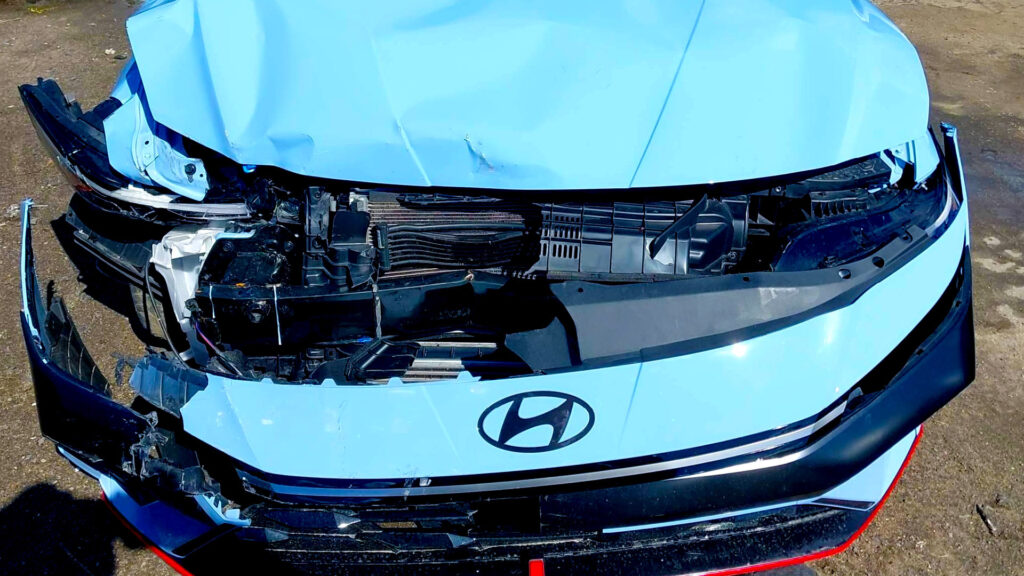
Automobile manufacturers routinely destroy vehicles – those damaged in accidents, deemed defective, or otherwise unsellable often meet their end at a crusher. Occasionally, even rare concept cars or specialized performance models are among them. But deliberately destroying vehicles that are central evidence in ongoing litigation? That presents a significantly different legal and ethical challenge.
The case stems from a legal dispute in Montgomery County, Pennsylvania, involving Hyundai’s repurchase program for vehicles from dealerships. Under this program, dealerships can receive compensation from the manufacturer when vehicles become unsellable due to defects, damage, or other issues. Hyundai accused two dealerships of intentionally damaging certain vehicles to then claim compensation. The dealerships denied the accusations and contested Hyundai’s claims in court. The situation took a dramatic turn when Hyundai allegedly authorized the destruction of the disputed vehicles before independent experts could inspect them.
Hyundai Hit with $9.8 Million Sanction for Evidence Destruction
A Pennsylvania court has levied a $9.8 million sanction against Hyundai Motor America after finding the company intentionally destroyed vehicles that were key evidence in a dispute with two dealerships, according to reporting by Carscoops. The judge determined that Hyundai “knowingly” allowed the vehicles to be crushed despite being aware they were part of active litigation. This action is legally defined as “spoliation” – the destruction or loss of evidence relevant to a legal case.
The dealerships argued that Hyundai destroyed the vehicles before independent experts could examine them, hindering their ability to assess Hyundai’s claims or conduct their own damage analysis. The judge evidently agreed, finding that Hyundai interfered with the dealerships’ ability to gather their own evidence. The $9.8 million sanction is a direct consequence of this interference.
The Roots of the Dispute: Hyundai’s Repurchase Program
The core of the conflict lies in Hyundai’s vehicle repurchase program, a common practice within the automotive industry. These programs allow manufacturers to buy back vehicles from dealerships that haven’t sold, often due to defects or damage. The program is designed to mitigate losses for dealerships, but can be subject to disputes over the value of the repurchased vehicles and the reasons for their lack of saleability. In this case, Hyundai alleged that the two dealerships intentionally damaged vehicles to fraudulently claim compensation under the program. The dealerships vehemently denied these allegations, setting the stage for a legal battle.
The dealerships maintained their innocence, asserting that any damage to the vehicles was not intentional and did not warrant the accusations leveled against them. They argued that Hyundai’s claims were unsubstantiated and that the company was attempting to avoid its obligations under the repurchase program. The turning point came when the dealerships discovered that Hyundai had authorized the destruction of the vehicles at the center of the dispute, effectively eliminating crucial evidence that could have supported their defense.
Spoliation of Evidence: A Serious Legal Offense
The court’s finding of spoliation is a significant legal development. Spoliation of evidence is considered a serious offense, as it undermines the integrity of the legal process and can prejudice the ability of a party to present a full and fair case. Cornell Law School’s Legal Information Institute defines spoliation as “the destruction or loss of evidence that is relevant to pending or reasonably foreseeable litigation.” Sanctions for spoliation can range from monetary penalties to adverse inferences – where the court assumes the destroyed evidence would have been unfavorable to the party responsible for its destruction.
In this instance, the $9.8 million sanction imposed on Hyundai reflects the severity of the court’s findings. The judge determined that Hyundai’s actions were not merely negligent but intentional, demonstrating a deliberate attempt to obstruct the legal proceedings. This finding significantly strengthens the dealerships’ position in the ongoing litigation.
What Happens Next?
While Hyundai may appeal the sanction, the company now faces the challenge of proving its case without the physical evidence it destroyed. This presents a substantial hurdle, as the vehicles themselves could have provided crucial insights into the extent and cause of any damage. The case is ongoing, and the outcome remains uncertain. However, the court’s decision serves as a stark warning to corporations about the importance of preserving evidence during legal disputes.

This case underscores the critical need for companies to adhere to legal procedures and maintain meticulous records during any form of litigation. The court’s ruling in favor of the dealerships, despite their smaller size and influence compared to a major automaker, demonstrates that the legal system can provide a level playing field. The future development of this case, particularly Hyundai’s ability to prove its claims without key material evidence, will set an important precedent for similar conflicts between manufacturers and their dealer networks worldwide.
The financial penalties are substantial, but the reputational damage resulting from this court decision could have long-term consequences for Hyundai’s brand image. Consumers and industry observers are likely to scrutinize the company’s practices more closely, potentially impacting sales and investor confidence. The incident as well raises broader questions about corporate accountability and the ethical obligations of businesses in legal disputes.
Broader Implications for the Automotive Industry
This case isn’t isolated. Disputes between automakers and their dealerships are relatively common, often revolving around issues such as sales quotas, marketing practices, and warranty claims. The Hyundai case highlights the potential for these disputes to escalate into complex litigation, and the importance of adhering to legal protocols throughout the process. It serves as a cautionary tale for other manufacturers, emphasizing the need for transparency, good faith negotiations, and a commitment to preserving evidence.
The automotive industry is currently undergoing a period of significant transformation, with the rise of electric vehicles, autonomous driving technology, and new business models. These changes are creating new challenges and opportunities for both manufacturers and dealerships. Maintaining strong relationships and resolving disputes fairly will be crucial for navigating this evolving landscape. The Hyundai case demonstrates that a failure to do so can have significant legal and reputational consequences.
The legal battle between Hyundai and its dealerships also comes amid increased scrutiny of the company related to labor practices. A separate, ongoing Reuters report details a class-action lawsuit alleging the leverage of child labor in Hyundai and Kia factories in the United States. This adds another layer of complexity to the company’s legal challenges and further underscores the importance of ethical and responsible business practices.
The next step in the Montgomery County case will likely involve further discovery and potentially a trial, where the dealerships will attempt to prove their claims without the benefit of the physical evidence that was destroyed. The court’s decision on the $9.8 million sanction is subject to appeal, and the outcome of that appeal could significantly impact the course of the litigation. Readers can stay updated on the case through local Pennsylvania court records and ongoing reporting from automotive news outlets.
Do you consider the sanction against Hyundai is sufficient, or should the penalties be more severe? Share your thoughts in the comments below, and please share this article with your network.
Worth a look