## Tragedy on I-95: Understanding virginia’s Move Over Law and Roadside Safety
The recent heartbreaking loss of a virginia Safety Service Patrol worker on I-95 near Fredericksburg serves as a stark reminder of the dangers faced by those who work tirelessly to keep our roads safe. This incident, occurring just two years after updates to Virginia’s Move Over law, underscores the critical need for driver awareness and adherence to roadside safety regulations. But what exactly *is* the move Over law, and why is it so vital? This article delves into the details, providing a thorough understanding of the law, its impact, and how you can help prevent future tragedies. We’ll explore the legal requirements, common misconceptions, and practical steps you can take to protect yourself and those working on our highways.
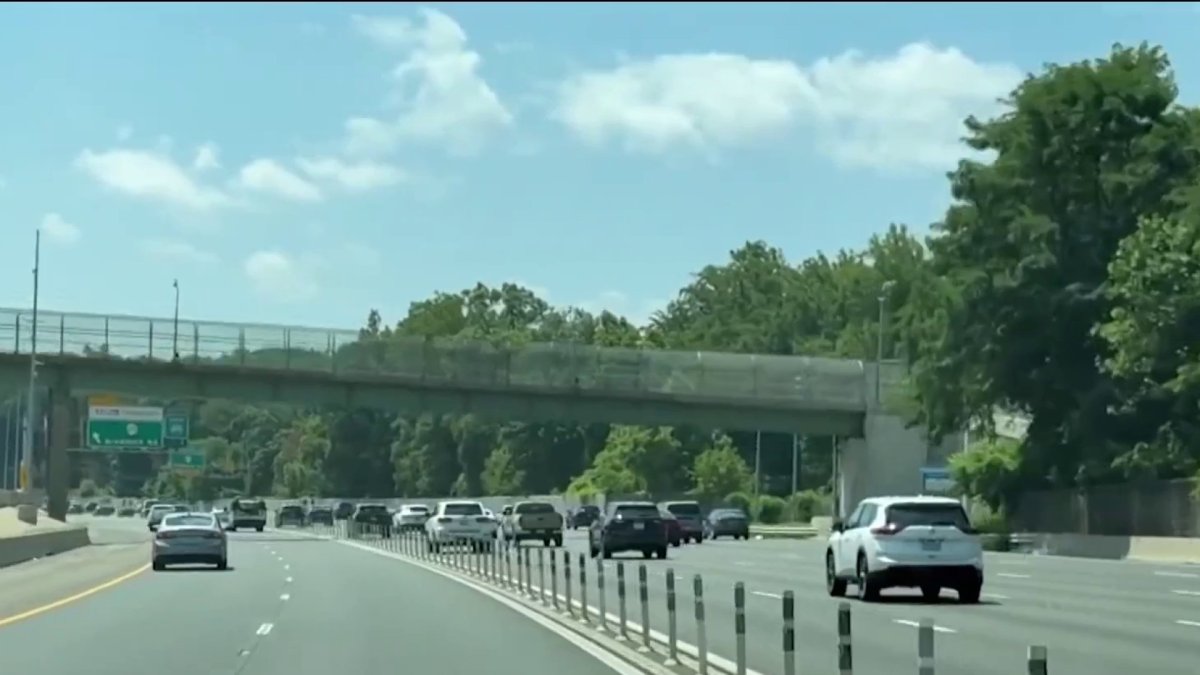
On Saturday night, a Virginia Safety Service Patrol member was assisting a motorist with a disabled vehicle along I-95 near the 301 exit in Fredericksburg when tragedy struck. Another driver lost control and collided with the patrol worker, resulting in a fatality. The driver of the disabled vehicle sustained injuries but survived. This devastating event has prompted renewed calls for vigilance and a deeper understanding of Virginia’s Move Over law.
The Virginia Department of Transportation (VDOT) expressed profound grief, stating, “We have all been deeply impacted and are mourning this tragic loss of a teammate.In his honor, it is imperative to remind and emphasize the need for all motorists to drive with caution and care on our roadways.”
What Dose Virginia’s Move Over law Actually Require?
Virginia’s Move Over law, officially known as Section 46.2-855.1 of the Code of Virginia, mandates specific actions from drivers when approaching stationary emergency vehicles displaying flashing, amber, or red lights. it’s not just about police cars anymore.The law now extends to include:
- Law Enforcement Vehicles
- Fire and Rescue Trucks
- Emergency Medical Services (EMS) Vehicles
- Highway Maintenance Vehicles (like VDOT’s Safety Service Patrol)
- Tow Trucks
- Vehicles displaying hazard lights – even if not officially emergency vehicles, if thay are stopped on the shoulder.
Here’s a breakdown of the requirements:
- if safe to do so, move over one lane away from the stationary emergency vehicle.
- If moving over is not safe (due to traffic or other conditions), slow down to at least 20 mph below the posted speed limit.
Failure to comply with the Move Over law can result in a civil penalty of up to $250. More importantly, it puts lives at risk.
Did You know? A 2023 study by the National Highway Traffic Safety Governance (NHTSA) found that nearly 20% of all traffic fatalities occur in work zones, highlighting the vulnerability of roadside workers. This underscores the importance of increased awareness and adherence to safety regulations.
Comparing Move Over Laws: Virginia vs. National Trends
While Virginia’s Move Over law is relatively comprehensive, it’s crucial to understand how it compares to other states. Currently, all 50 states have some form of a Move Over law, but the specifics vary. Some states require drivers to slow down even if they *can* safely move over, while others have stricter penalties for violations. Here’s a quick comparison:
| Feature | Virginia | national average |
|---|