The Shifting Landscape of Media Trust: Examining Critical Analyses of Reporting on Iran, Nuclear Deterrence, and Cultural Controversies
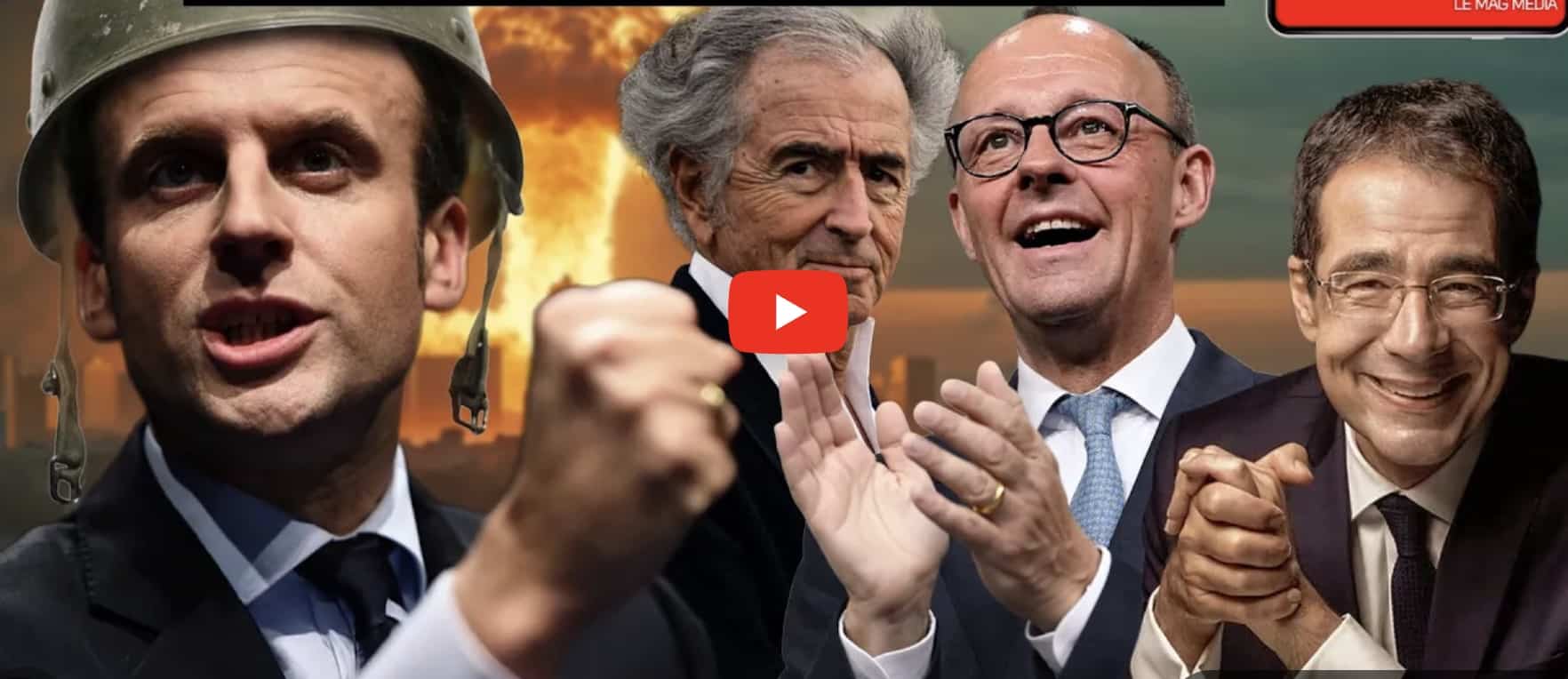
In an era defined by rapid information dissemination and increasing skepticism towards traditional media outlets, critical analysis of news coverage is more vital than ever. Recent discussions, exemplified by the program I-Média broadcast on TV Libertés, highlight growing concerns about potential biases and omissions in mainstream reporting. These concerns span a range of critical issues, from geopolitical tensions in the Middle East and the complexities of nuclear deterrence to cultural debates surrounding prominent public figures. The program, featuring Floriane Jeannin and Michel Geoffroy, aims to dissect what it perceives as the shortcomings of dominant narratives, prompting a broader conversation about media literacy and the public’s access to unbiased information.
A central theme explored in I-Média revolves around the portrayal of military operations involving Iran. The program’s analysis suggests a reliance on information originating from the Pentagon and Israeli authorities, often without sufficient independent verification. This dependence, according to the program’s presenters, can lead to a skewed perspective, particularly in the framing of events. The choice of language, for instance, is identified as a key element in shaping public perception. The distinction between describing actions as “violations of international law” – typically applied to Russian actions in Ukraine – versus framing interventions by the United States or Israel as “strikes” is presented as a deliberate tactic to soften the impact of these events on audiences.
Beyond the Middle East, the program also delves into the ongoing debate surrounding France’s nuclear deterrence policy. President Emmanuel Macron’s recent proposals for enhanced coordination with European partners, including the establishment of a Franco-German steering group, have sparked questions about the future of French sovereignty in this critical area. The discussion centers on the potential for a gradual “Europeanization” of France’s nuclear deterrent, traditionally viewed as a cornerstone of its independent defense capabilities. The program contends that media coverage often downplays the strategic implications of such a shift, potentially minimizing public scrutiny of this significant policy change.
The program’s scope extends beyond geopolitics to encompass cultural controversies, specifically the reaction to an homage to Brigitte Bardot at the 51st César Awards. The incident, marked by boos and whistles from the audience, is presented as a symptom of broader tensions within French cultural circles and a debate over the financing of the French film industry. The program highlights the reliance of many independent films on a funding system supported by the revenues generated by more commercially successful productions.
Examining Media Framing of Conflict and International Relations
The concerns raised by I-Média regarding the coverage of Iran resonate with broader academic and journalistic critiques of Western media’s reporting on the Middle East. Scholars have long pointed to the influence of government sources and the potential for biased framing in shaping public understanding of complex geopolitical events. A 2023 study by the University of Oxford’s Reuters Institute for the Study of Journalism found that coverage of the Israeli-Palestinian conflict often prioritizes Israeli perspectives, potentially marginalizing Palestinian voices, and experiences. Reuters Institute
The tendency to rely on official sources, as highlighted by I-Média, can be particularly problematic in conflict situations. When media outlets primarily relay information from one side of a conflict, it can create a distorted picture of events and hinder informed public debate. The use of specific language, such as the distinction between “strikes” and “violations of international law,” exemplifies how subtle linguistic choices can influence perceptions and shape narratives. This phenomenon is not unique to coverage of Iran; similar patterns have been observed in reporting on conflicts in Iraq, Syria, and Yemen.
The Debate Over European Nuclear Deterrence
President Macron’s call for greater European coordination on nuclear deterrence reflects a growing recognition of the need for increased strategic autonomy within the European Union. In February 2024, Macron stated that Europe must be able to defend its interests without relying solely on the United States. Reuters This proposal has sparked a debate among European leaders and security experts about the feasibility and desirability of a more integrated European nuclear posture.
The potential for a “Europeanization” of France’s nuclear deterrent raises complex questions about national sovereignty, strategic control, and the future of European security architecture. Some analysts argue that greater coordination could enhance Europe’s collective security and reduce its dependence on the United States. Others express concerns that it could undermine France’s independent deterrent capability and create new divisions within the EU. The discussion also touches upon the broader issue of arms control and the risk of nuclear proliferation. The Treaty on the Non-Proliferation of Nuclear Weapons (NPT), signed in 1968, aims to prevent the spread of nuclear weapons and promote disarmament, but its effectiveness remains a subject of ongoing debate.
Cultural Controversies and the French Film Industry
The controversy surrounding the tribute to Brigitte Bardot at the César Awards underscores the complex relationship between artistic expression, public morality, and cultural values in France. Bardot, a celebrated actress and animal rights activist, has faced criticism for her controversial statements on immigration and Islam. The boos and whistles directed at her during the ceremony reflected a backlash against her views and a broader debate about the role of public figures in shaping social discourse.
The incident also brought renewed attention to the financing of the French film industry. The French government provides significant subsidies to support the production of films, particularly independent and art-house productions. This system is funded, in part, by revenues generated by commercially successful films. Critics argue that this model can create a dependency on government funding and stifle artistic innovation. The debate over the financing of French cinema is likely to continue as the industry navigates the challenges of the digital age and the rise of streaming services.
The program I-Média also touched upon the planned film, L’Abandon, focusing on the assassination of Samuel Paty, a teacher murdered in 2021 after discussing caricatures of the Prophet Muhammad in a class on freedom of expression. The project has generated controversy, with some critics raising concerns about its potential to further inflame tensions and exploit a tragic event. The program also mentioned a parliamentary inquiry, the findings of which, some observers believe, may not be fully acted upon.
Finally, the program featured a profile of journalist Pierre Plottu, described as a regular observer of the French far-right for the newspaper Libération. Plottu’s work provides insights into the ideologies and strategies of extremist groups, contributing to a better understanding of the challenges facing French society.
I-Média’s ongoing mission – to analyze the construction of information and highlight the editorial choices of major media outlets – remains central to the public debate on trust in journalism. As audiences become increasingly discerning consumers of news, the demand for critical analysis and independent reporting will only continue to grow.
Key Takeaways
- Media Bias Concerns: The program highlights the importance of critically evaluating media sources and recognizing potential biases in reporting, particularly regarding geopolitical conflicts.
- Nuclear Deterrence Debate: Macron’s proposals for European nuclear coordination are sparking a debate about sovereignty, strategic autonomy, and the future of European security.
- Cultural Divides: The controversy at the César Awards reflects broader tensions within French society and the challenges of balancing artistic freedom with public values.
- Importance of Independent Journalism: Programs like I-Média play a crucial role in fostering media literacy and promoting informed public discourse.
The debate surrounding media coverage and its impact on public perception is ongoing. As information landscapes continue to evolve, it is essential for individuals to cultivate critical thinking skills and seek out diverse sources of information. The French National Assembly is currently considering legislation aimed at strengthening media independence and combating disinformation, with a vote expected in late 2026. French National Assembly Stay informed about these developments and engage in constructive dialogue about the role of media in a democratic society.
Related reading