New York City Tackles Proliferation of Sidewalk Sheds, Prioritizing Public Safety and Timely Repairs
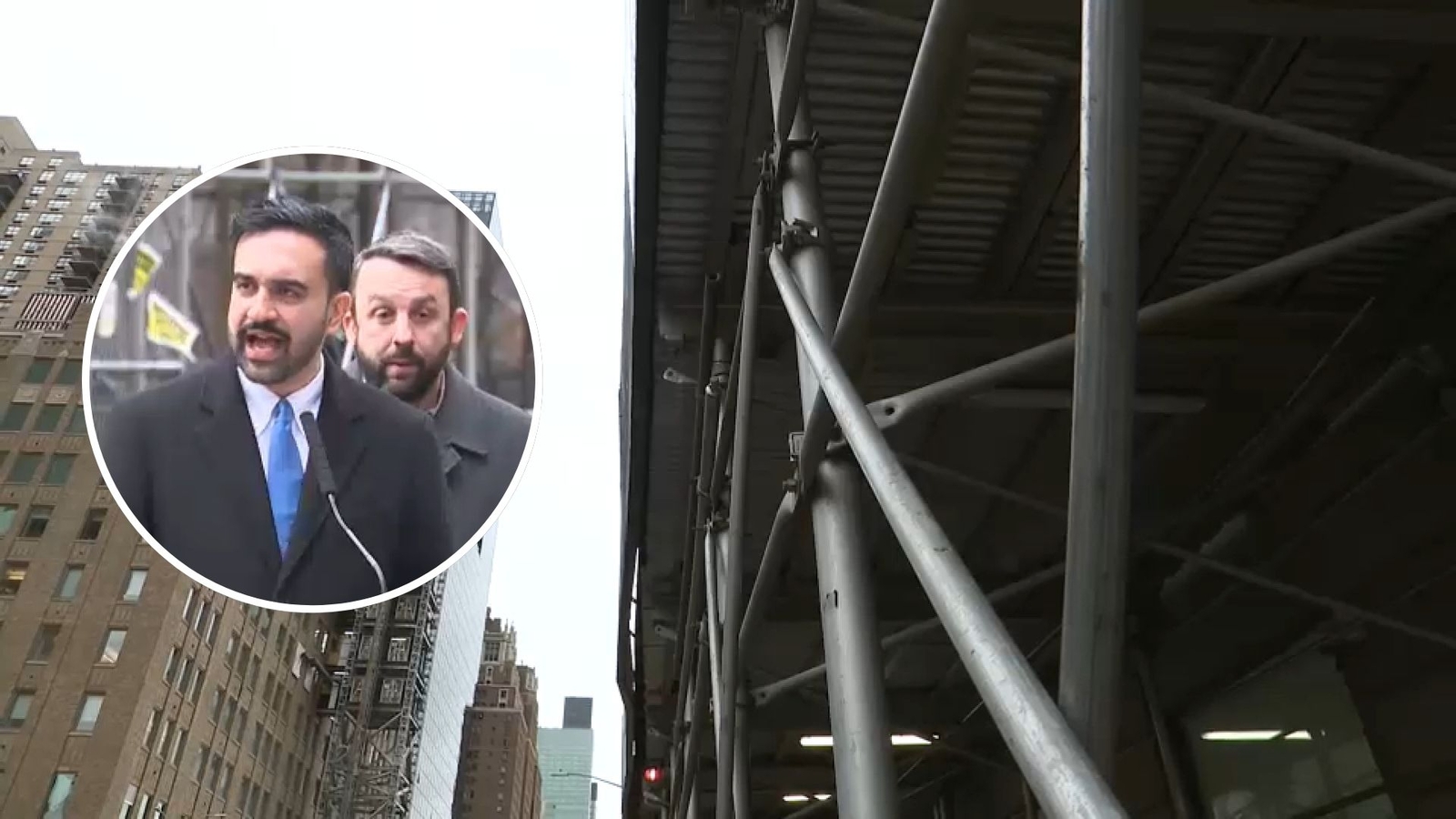
New York City is moving to dramatically reduce the ubiquitous presence of sidewalk sheds – those often-temporary structures erected to protect pedestrians from falling debris – with a new set of regulations announced Friday by Mayor Zohran Mamdani. The initiative, spurred by concerns over prolonged scaffolding obstructing sidewalks and impacting quality of life, aims to compel building owners to expedite façade repairs and remove unnecessary structures. The changes come as residents in neighborhoods like Highbridge, in the Bronx, have endured years of obstructed walkways and diminished access due to lengthy scaffolding installations.
The issue of prolonged scaffolding has become a significant point of contention for New Yorkers, with structures remaining in place for years, sometimes even decades, due to a combination of bureaucratic hurdles and economic incentives for landlords to delay repairs. Mayor Mamdani highlighted the scale of the problem, stating that sidewalk sheds currently cover approximately 380 miles, or 7,500 city blocks, across the five boroughs. The new rules seek to address this by imposing stricter timelines and penalties for non-compliance, ultimately aiming to restore pedestrian access and improve the aesthetic quality of city streets.
Addressing Years of Delay: New Regulations and Enforcement
The core of the new policy centers around reforms under Local Law 48, strengthening enforcement against property owners who allow sidewalk sheds to remain in place for extended periods without actively pursuing and completing necessary façade repairs. Under the revised regulations, building owners could face financial penalties if sheds are not removed within 180 days. This represents a significant shift from the previous, more lenient approach, which often allowed structures to remain in place indefinitely. The Department of Buildings will also require regular progress reports every 90 days, detailing the status of ongoing façade perform, increasing transparency, and accountability.
These changes are intended to incentivize proactive repairs rather than allowing buildings to languish under scaffolding. The city’s approach has been criticized for inadvertently rewarding inaction, as the cost of erecting and maintaining scaffolding can be lower than the expense of actual repairs. The new rules aim to reverse this dynamic, making it more financially viable for owners to address underlying structural issues promptly. The enforcement of these new regulations is expected to begin this summer, according to the Mayor’s office.
Highbridge Gardens: A Case Study in Prolonged Scaffolding
The announcement was made against the backdrop of ongoing façade repair work at Highbridge Gardens, a public housing complex in the Bronx operated by the New York City Housing Authority (NYCHA). Residents of Highbridge Gardens have lived with scaffolding surrounding their buildings for roughly five years due to unsafe façade conditions. The situation at Highbridge Gardens has become emblematic of the broader issue of prolonged scaffolding and its impact on communities. Residents have reported safety concerns, obstructed access, and a general decline in quality of life due to the presence of the structures.
NYCHA is currently undertaking façade repairs at Highbridge Gardens, funded by $14.4 million in state funding. According to the Mayor’s office, approximately 2,800 linear feet of sidewalk sheds have already been removed or are in the process of being dismantled across buildings three through six at the development. This progress represents a tangible improvement for residents who have long called for the removal of the scaffolding. “In the greatest city in the world, we should not accept darkened sidewalks and covered walkways as a fact of life,” Mayor Mamdani stated, underscoring the administration’s commitment to addressing the issue.
Resident Concerns and Safety Issues
The impact of prolonged scaffolding extends beyond mere inconvenience. Residents of Highbridge Gardens have voiced concerns about safety, citing instances of robberies and increased vulnerability due to obstructed visibility. Edries Levestone, a resident of Highbridge Gardens, expressed relief at the prospect of the scaffolding’s removal, stating, “People have got robbed around here whereas these scaffold was up. It’s very dangerous. Very dangerous. So I’m one of the tenants who is happy that it’s coming down.” This sentiment highlights the real-world consequences of prolonged scaffolding on community safety and well-being.
However, some residents, like Joanne Daughtry, emphasize that the issue is not new and that the current attention is long overdue. “It is a fine thing that they talked about it today, but this should have been talked about, this been up for a long time too, especially in Highbridge,” she said. This perspective underscores the need for sustained attention and proactive solutions to address the underlying causes of prolonged scaffolding.
Citywide Progress and Future Outlook
The new regulations build upon recent efforts by the city’s Department of Buildings to reduce scaffolding across the five boroughs. Over the past few months, the department has reportedly reduced scaffolding by 17% citywide. While some scaffolding remains necessary for ongoing construction and repairs, a significant portion is deemed unnecessary and targeted for removal under the new rules. The city’s commitment to addressing this issue is evident in the increased enforcement efforts and the implementation of stricter regulations.
The case of 409 Edgecombe Avenue serves as a cautionary tale. The owners of that building were fined, and the scaffolding was eventually removed after remaining in place for 16 years. This example demonstrates the potential for effective enforcement and the importance of holding property owners accountable for maintaining their buildings and ensuring public safety. The new regulations aim to prevent similar situations from occurring in the future.
Key Takeaways
- New York City is implementing stricter rules to reduce unnecessary sidewalk sheds.
- Building owners will face penalties if scaffolding remains in place for more than 180 days without active repairs.
- The NYCHA is actively removing scaffolding at Highbridge Gardens, funded by $14.4 million in state funding.
- Residents have raised concerns about safety and quality of life due to prolonged scaffolding.
- The Department of Buildings has already reduced scaffolding by 17% citywide in recent months.
The implementation of these new regulations represents a significant step towards improving the quality of life for New Yorkers and ensuring the safety of pedestrians. The city’s commitment to addressing the issue of prolonged scaffolding is a welcome development for communities like Highbridge Gardens and for all residents who have been impacted by the presence of these often-obstructive structures. The Department of Buildings will continue to monitor progress and enforce the new rules, with the goal of creating a safer and more accessible urban environment.
The next major checkpoint in this initiative will be the full implementation of the new regulations this summer, followed by the first round of progress reports from building owners in September. We encourage readers to share their experiences with sidewalk sheds in their neighborhoods and to stay informed about the city’s ongoing efforts to address this issue.
Keep reading