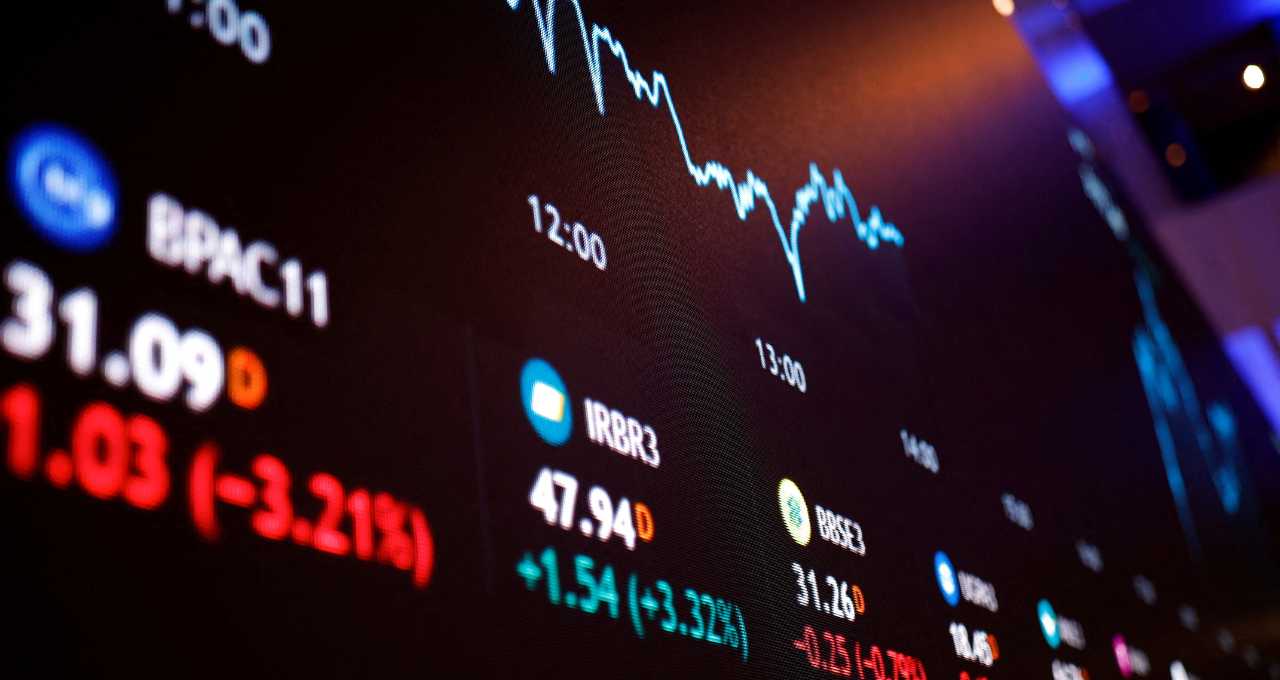
Investors in Brazil are recalibrating their portfolios this week as the Ibovespa index faces downward pressure, influenced by a volatile geopolitical climate in the Middle East and domestic concerns over interest rate trajectories. Markets are currently navigating a complex environment where global risk aversion often clashes with local economic indicators, leading to increased oscillation in asset prices.
The Ibovespa, the benchmark index of the B3 exchange, has shown sensitivity to reports regarding regional conflicts. When geopolitical tensions escalate, global capital often retreats from emerging markets in favor of perceived safe-haven assets, such as the U.S. dollar, which has seen upward momentum as a result. This movement is not isolated, as market participants are simultaneously weighing the potential for sustained inflation and the subsequent response from central banking authorities regarding monetary policy.
Geopolitical Risks and Market Volatility
The primary driver of the recent market caution appears to be the shifting landscape of the conflict between Iran and Israel. Financial markets generally react negatively to uncertainty in the Middle East due to the potential for supply chain disruptions and surges in commodity prices, particularly oil. According to recent market analysis, investors are closely monitoring any signs of military escalation or de-escalation, as these developments dictate the daily appetite for risk.
While some sessions have seen attempts at recovery, the broader sentiment remains tethered to these external shocks. The inability of gains in North American markets to provide a sustained floor for the Ibovespa highlights a “decoupling” effect, where local investors prioritize the specific risks associated with the Brazilian fiscal and monetary outlook over general international optimism. For a detailed breakdown of how global indices are performing, the Reuters markets dashboard provides real-time data on these fluctuations.
Domestic Pressures: Inflation and Interest Rates
Beyond the geopolitical horizon, the domestic agenda remains heavily focused on the Central Bank of Brazil’s interest rate policy. Inflation expectations continue to be a focal point for economists, as persistent price pressures often necessitate a more restrictive monetary stance. Higher interest rates typically weigh on equity valuations by increasing the cost of capital for corporations and providing a more attractive yield on fixed-income investments.

The relationship between inflation data and the Selic rate—Brazil’s benchmark interest rate—is a critical area of study for market analysts. As reported by the Central Bank of Brazil, the committee responsible for setting these rates maintains a mandate to keep inflation within established targets. Investors are currently looking for clarity on whether the current cycle of rate adjustments will be sufficient to mitigate inflationary risks without stifling economic growth.
Understanding the Dollar’s Upward Path
The strengthening of the U.S. dollar against the Brazilian real is a hallmark of the current “risk-off” environment. When global uncertainty rises, the dollar serves as a primary hedge. This currency movement complicates the domestic economic picture by increasing the cost of imported goods, which can feed back into the inflation metrics that the central bank is attempting to manage.
Market participants often track the B3 exchange data to gauge the volume and velocity of these capital outflows. The interplay between a stronger dollar and local interest rates creates a feedback loop: if the currency depreciates too sharply, it may force policymakers to adopt a more hawkish stance to defend the real, potentially impacting corporate earnings and stock market performance.
What Lies Ahead for Investors
As the week progresses, market attention will turn toward the release of updated economic indicators and potential statements from key financial officials. Investors are advised to remain vigilant, as volatility is expected to persist until there is more concrete evidence of a stabilization in geopolitical tensions or a clearer path for global interest rate policies.

The next major checkpoint for market participants will be the upcoming economic data releases and central bank communications, which are scheduled to provide insight into the effectiveness of current policy measures. We encourage our readers to monitor official filings and institutional updates for the most accurate, unfiltered data as this situation develops. Please share your thoughts in the comments section below or join the discussion on our social media platforms.