
Member states of the International Criminal Court voted to remove chief prosecutor Apnews from office on Friday, marking the first time in the global tribunal’s history that a chief prosecutor has been ousted. According to Päivi Kaukoranta, president of the court’s oversight body, the Assembly of States Parties, the decision followed a conclusion that Khan had committed serious misconduct and serious breach of duty.
ICC Member States Vote to Oust Chief Prosecutor Karim Khan
The 56-year-old British barrister, who was elected in 2021 to serve a nine-year mandate, has steadfastly denied all allegations of sexual misconduct involving a female aide, which first emerged nearly two years ago. Sources familiar with the result stated that 82 of the court’s 125 member states voted in favor of removing Khan at a special meeting at United Nations headquarters, with 13 voting against and 11 abstaining. Representatives responding to the vote indicated that Khan would challenge the lawfulness and fairness of the decision through all available legal mechanisms.
Misconduct Investigations and Disciplinary Proceedings
The disciplinary process involved multiple reviews and reports regarding allegations made by Sarah, a lawyer originally from Malaysia who began working as Khan’s assistant in February 2023. In a world-exclusive interview with CNN’s Christiane Amanpour, Sarah described non-consensual physical and emotional encroachments during her time working under Khan, noting a significant power disparity. Khan’s representatives previously suggested the claims were part of a plot to discredit him over his 2024 decision to seek arrest warrants for Israeli Prime Minister Benjamin Netanyahu, though the ICC’s governing body found no evidence supporting claims that the complainant was used by third parties or intelligence agencies.
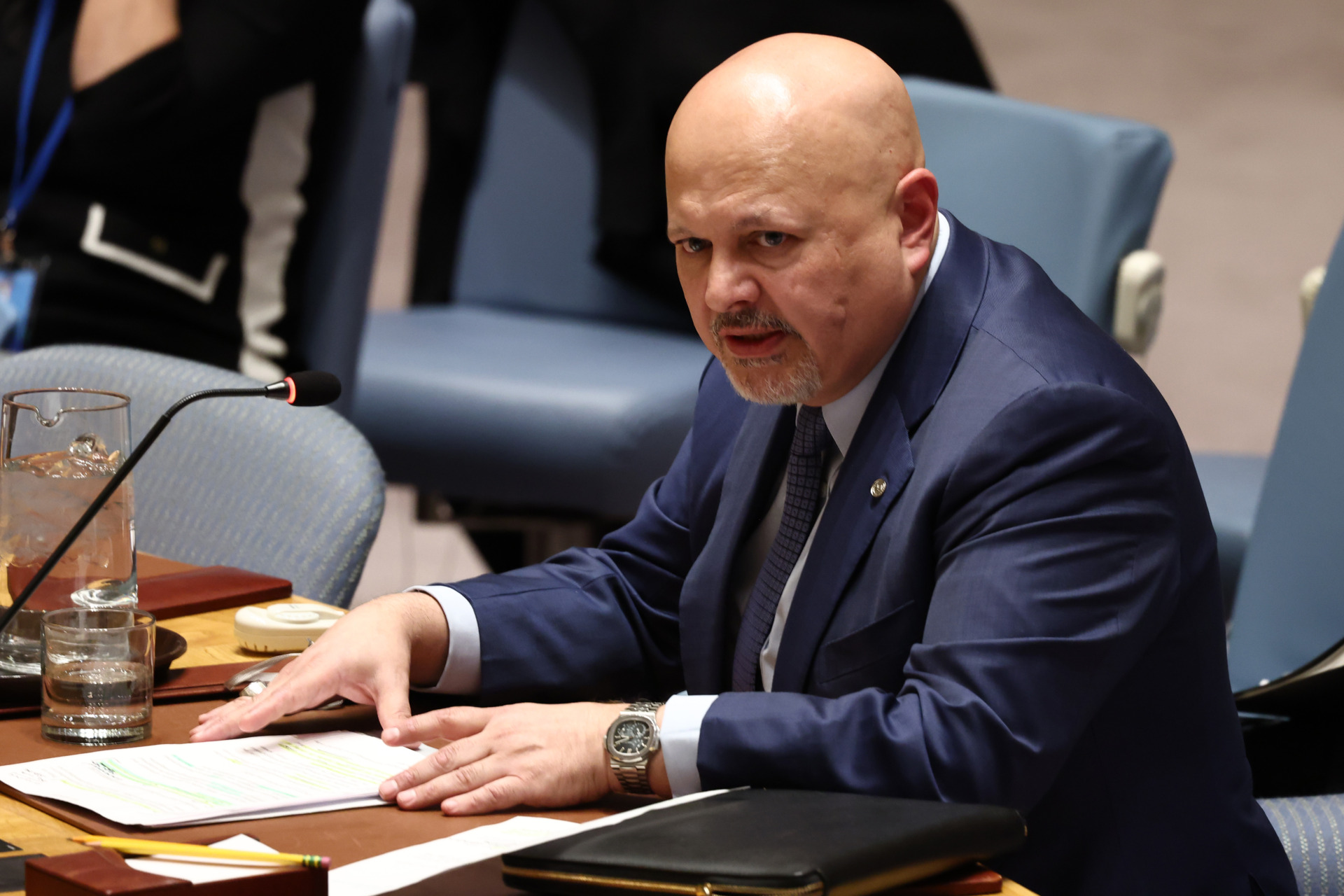
An internal UN oversight office report circulated in December found a factual basis for the claims, while a March report by a panel of judicial experts concluded there was insufficient evidence of misconduct measured against the standard of proof beyond a reasonable doubt. However, the executive committee of the court’s governing body suspended Khan in June after concluding he had committed serious misconduct, referring the matter to member states for a permanent decision. Ahead of Friday’s vote, a motion brought by Sierra Leone to make ousting Khan harder failed, and diplomats proceeded with the ballot.
Impact on Outstanding Warrants and International Reactions
Legal experts and officials noted that Khan’s removal will have no immediate impact on existing arrest warrants, including those issued in 2024 for Netanyahu and former Defense Minister Yoag Gallant, as warrants can only be withdrawn by ICC judges. The high-profile proceedings unfolded amid broader geopolitical pressures, including US sanctions imposed by the Donald Trump administration against Khan and other ICC employees following arrest warrants for senior Israeli officials and investigations into US personnel in Afghanistan. US Secretary of State Marco Rubio recently stated that the US was launching a campaign to pressure member states to withdraw from the institution and deny employees entry to the United States.
Reactions to the ouster varied widely among international observers. Israel’s ambassador to the United Nations, Danny Danon, asserted in a statement that Khan attempted to use political investigations to shield himself from the allegations. Meanwhile, Venezuela’s foreign affairs minister, Félix Plasencia, issued a statement arguing that the court’s actions reflect a geographical bias concentrated on African and Latin American countries. With Khan permanently removed, the court’s prosecution division—which employs about 400 staff and was previously run by two deputies during his suspension—faces internal debate over whether a deputy should take over or if the office requires a fresh start following two years of turmoil.
Keep reading